The Jakarta Post
Please Update your browser
Your browser is out of date, and may not be compatible with our website. A list of the most popular web browsers can be found below.
Just click on the icons to get to the download page.


Popular Reads
Top Results
No results found. Please check your search term and try again
Can't find what you're looking for?
View all search results
Popular Reads
Top Results
No results found. Please check your search term and try again
Can't find what you're looking for?
View all search resultsHow chocolate could counter climate change
Process locks in greenhouse gases, final product can be used as fertilizer.
Change text size
Gift Premium Articles
to Anyone
Share the best of The Jakarta Post with friends, family, or colleagues. As a subscriber, you can gift 3 to 5 articles each month that anyone can read—no subscription needed!
 Set as preferred source
A
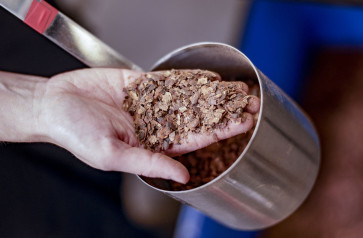
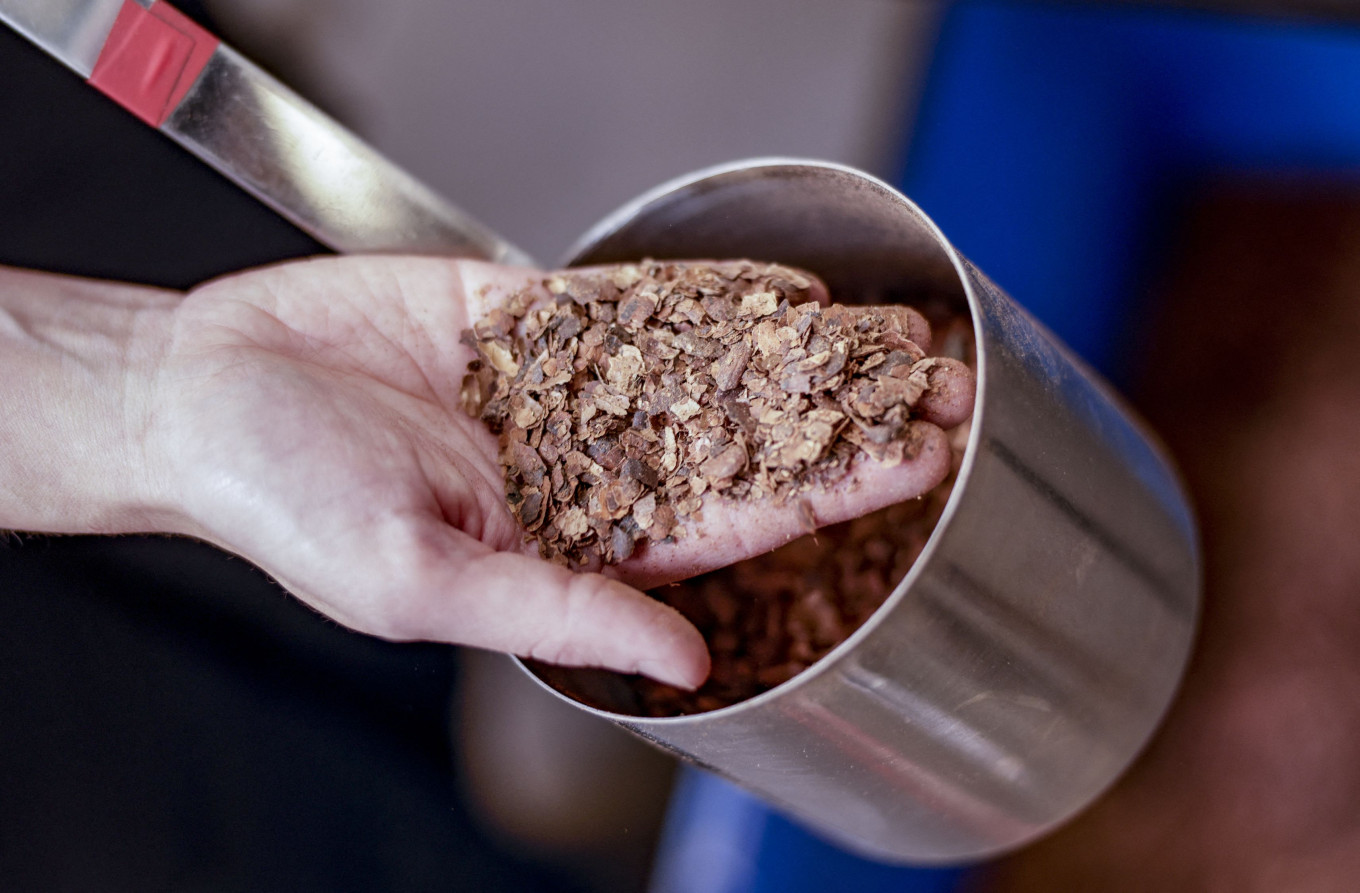
t a red-brick factory in the German port city of Hamburg, cocoa bean shells go in one end, and out the other comes an amazing black powder with the potential to counter climate change.
The substance, dubbed biochar, is produced by heating the cocoa husks in an oxygen-free room to 600 degrees Celsius.
The process locks in greenhouse gases and the final product can be used as a fertilizer, or as an ingredient in the production of "green" concrete.
While the biochar industry was still in its infancy, the technology offered a novel way to remove carbon from the Earth's atmosphere, experts say.
According to the United Nations’ Intergovernmental Panel on Climate Change (IPCC), biochar could potentially be used to capture 2.6 billion of the 40 billion tonnes of CO2 currently produced by humanity each year.
But scaling up its use remains a challenge.
Amazonia