The Jakarta Post
Please Update your browser
Your browser is out of date, and may not be compatible with our website. A list of the most popular web browsers can be found below.
Just click on the icons to get to the download page.


Popular Reads
Top Results
No results found. Please check your search term and try again
Can't find what you're looking for?
View all search results
Popular Reads
Top Results
No results found. Please check your search term and try again
Can't find what you're looking for?
View all search resultsTime to propel West Java’s carbon friendly ambitions
By aligning new industries with its geothermal abundance, West Java aims to reshape industries, delivering baseload renewable power for underwriting its new manufacturing hubs and low-carbon growth plans.
Change text size
Gift Premium Articles
to Anyone
Share the best of The Jakarta Post with friends, family, or colleagues. As a subscriber, you can gift 3 to 5 articles each month that anyone can read—no subscription needed!
 Set as preferred source
I
t hs been a bumper season for investment summits. From The ASEAN Solar Summit in July and the West Java Investment Summit on manufacturing hubs earlier this month to a number of investment gatherings tied to the ASEAN summit season in early September.
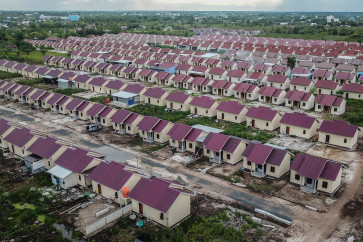
The West Java summit is of particular interest given the provincial administration earmarking 54,000 hectares just outside Jakarta as an eventual global zone for manufacturing, technology and heavy industries. This transformation aims to cater to international trade and commerce, with full-throttle support from both President Joko “Jokowi” Widodo and West Java Governor Ridwan Kamil.
With a price tag of more than US$5.4 trillion, the question is which funds are best placed to take advantage of this opportunity?
To answer that question let us look at Indonesia’s big investment story, battery metals and the electric vehicle (EV) industry. While its EV metals industry tries to decarbonize its reliance on coal-fired power it can only toy with solar panels at the periphery of smelting and leaching operations.
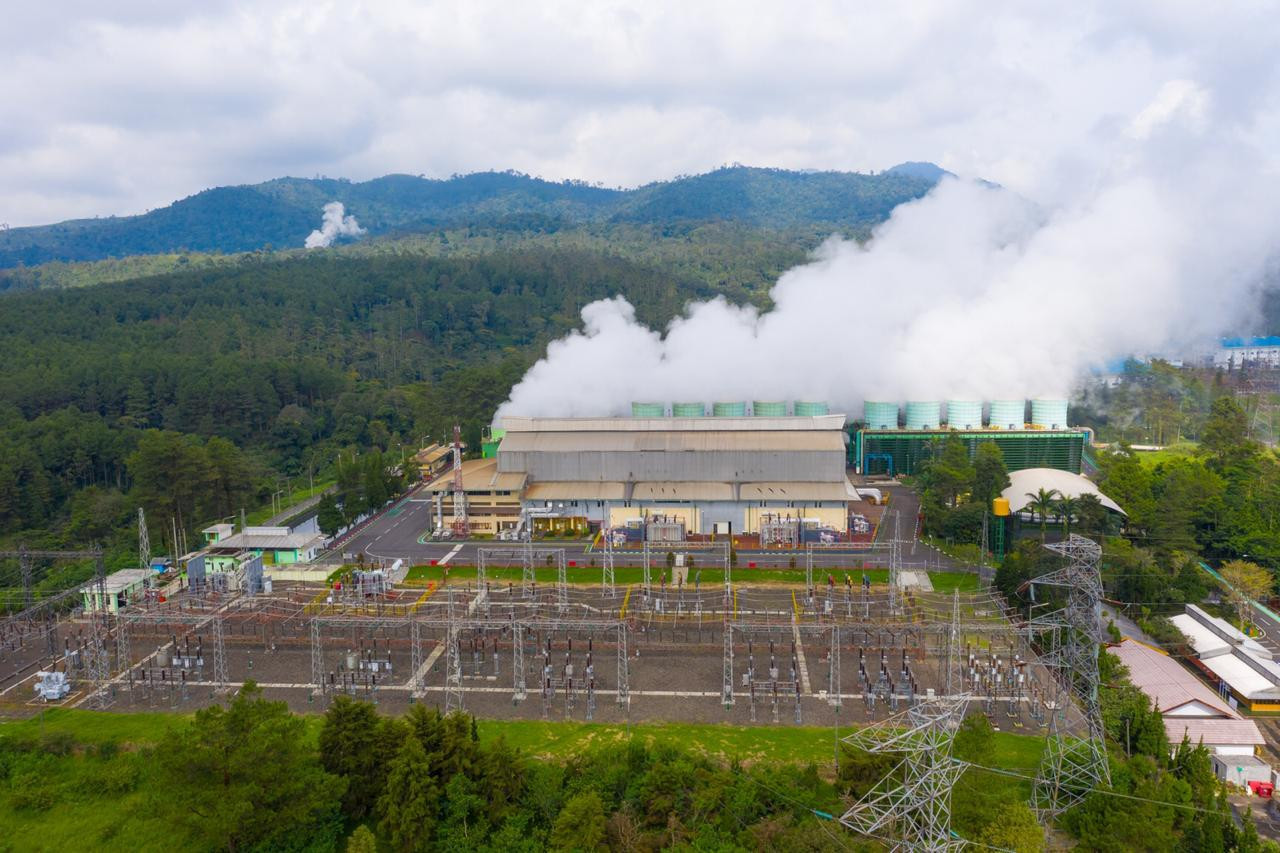
West Java is, however, poised to tap into its geothermal riches and a bold prospectus to transform manufacturing with a chain of clean energy-powered industrial parks.
As green investment funds have grown, they have widened to encompass new mandates for sustainable manufacturing, impact investments, resource-centric supply chains and nature-based solutions. This is the backdrop to West Java's audacious plan for high economic growth backed by green industrial parks and strategically developed special economic zones (SEZ).
With a commanding stake of 35 percent of Indonesia's industrial estates, West Java’s holdings amount to approximately 20,600 ha of brownfield. Under Governor Ridwan, the Rebana Project will link logistics and manufacturing hubs with the new Patimban Seaport, Kertajati Airport, transportation networks and waste management facilities that can drive investments into eco-friendly manufacturing.