The Jakarta Post
Please Update your browser
Your browser is out of date, and may not be compatible with our website. A list of the most popular web browsers can be found below.
Just click on the icons to get to the download page.


Popular Reads
Top Results
No results found. Please check your search term and try again
Can't find what you're looking for?
View all search results
Popular Reads
Top Results
No results found. Please check your search term and try again
Can't find what you're looking for?
View all search resultsconstitution
Academia 2 months ago
PREMIUM
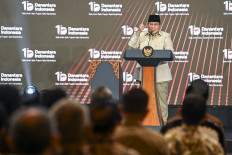
Why Indonesia needs an accountable developmental state
To unlock its economic potential on the road to 2045, Indonesia must move beyond simply chasing finance to closing its core development capital formation gap. Building an accountable, state-led architecture, not just a larger bureaucracy, is the true master key to turning strategic priorities into productive national wealth.
Academia 2 months ago
PREMIUM
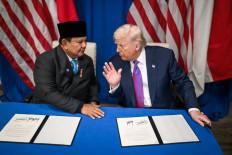
Why the President should stop acting as foreign minister
While President Prabowo’s high-profile global engagement boosts Indonesia’s visibility, relying on personal charisma over institutional diplomacy risks undermining the long-term credibility of the nation's foreign policy.



Academia 2 months ago
PREMIUM
Justice at the barrel of a gun: The anticlimax of antigraft policy
When institutional rivalries push heavily armed soldiers to negotiate the return of seized evidence, Indonesia faces a critical choice: uphold the civilian rule of law or allow justice to be dictated by the barrel of a gun.
Academia 2 months ago
PREMIUM
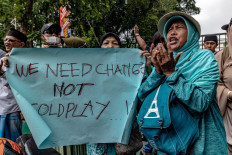
The dangerous labeling of LGBTQ as a threat to national defense
By branding LGBTQ culture as a national security threat, Indonesia's new defense regulation triggers a dangerous constitutional contradiction that undermines the very human rights the state is sworn to protect.


Academia 2 months ago
PREMIUM
Mitigating the impacts of a shift from a market economy to state capitalism
As President Prabowo pushes for a massive structural pivot toward state economic sovereignty, Indonesia faces a high-stakes gamble: Can it resurrect the ideals of a Pancasila economy without stumbling into the traps of heavy-handed economic nationalism?

Politics 2 months ago
PREMIUM
Constitutional Court's independence at risk as MPR seeks key role
The People's Consultative Assembly (MPR) has sought a greater role in providing input to the Constitutional Court on constitutional interpretation before the court issues rulings in relevant cases, prompting experts to warn against political interference in judicial independence.

Editor's Picks
Popular
- Recentralization concerns in fiscal, education heighten
- Batam residents protest data centers amid water crisis
- Safeguarding Indonesia's AI future
- Twenty years on, BRICS faces a defining choice
- Crew member from missing Anak Krakatau boat identified
- Court decision tightens House oversight on free meals funding
- Popular discontent is justified. Authoritarianism is not the answer
- Gibran faces fresh challenge over eligibility as VP
- Govt under pressure as 3 million home drive hits cracks
- Indonesia puts peace, UN reform, Global South at center of UNGA agenda


