The Jakarta Post
Please Update your browser
Your browser is out of date, and may not be compatible with our website. A list of the most popular web browsers can be found below.
Just click on the icons to get to the download page.


Popular Reads
Top Results
No results found. Please check your search term and try again
Can't find what you're looking for?
View all search results
Popular Reads
Top Results
No results found. Please check your search term and try again
Can't find what you're looking for?
View all search resultsrohingya

Academia 4 weeks ago
PREMIUM
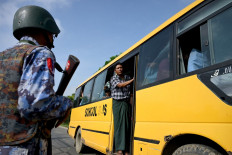
Myanmar crisis testing the promise of universal jurisdiction
Universal jurisdiction can open the courtroom doors to Myanmar’s survivors, but without cross-border political will, investigative muscle and survivor-centered networks, a growing docket of foreign cases will never amount to real accountability.

Asia & Pacific 2 months ago
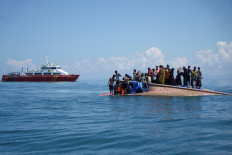
More than 500 feared dead after boats sink off Myanmar coast
"According to preliminary information, the two vessels departed from Myanmar's Rakhine State in late June carrying mostly Rohingya passengers, reportedly including some who had travelled from refugee camps in Cox's Bazar, Bangladesh," the International Organization for Migration and the UN Refugee Agency said in a joint statement, saying more than 500 were feared dead.

Academia 3 months ago
PREMIUM
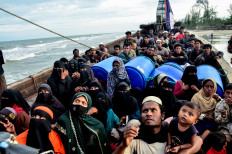
Refugee women’s voices matter in reforming Indonesia’s refugee policy
As Indonesia reviews its decade-old regulation on refugee management, the fiction of "temporary transit" has collapsed into the harsh reality of prolonged displacement. Reforming this framework is no longer just a matter of immigration security but an urgent humanitarian necessity to protect vulnerable refugee women from systemic exploitation and legal invisibility.
Academia 3 months ago
PREMIUM
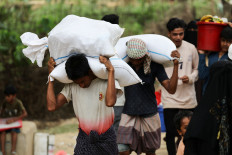
Time for Indonesia to end constructive refoulement practice
As global anti-immigrant sentiment rises, Indonesia’s strict ban on refugee employment is creating a crisis of "constructive refoulement", robbing displaced people of their dignity and forcing an urgent need for legal reform.

Asia & Pacific 5 months ago
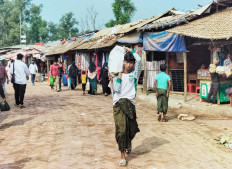
Scarce food, bleak futures spur Rohingya refugees to gamble with death at sea
Hundreds of Rohingya refugees die en route from hunger or accidents at sea, but the numbers keep growing as shrinking food rations caused by dwindling international aid push yet more to make the dangerous crossing.
Editor's Picks
Popular
- New islands appear after Anak Krakatau volcano erupts
- Prabowo resurrects advisory board
- Reshuffle shores up coalition support for 2029
- A ministry restored
- Whisky, big-screen TV seized from prison 'villas' in West Java
- Sugarcane farmers query House over sugar imports
- The agrarian reform law and investment prospects of palm oil
- Indonesia pushes cooperation to outpace global scam networks
- Can young Indonesians still afford home?
- Gibran’s fall, Prabowo’s power reconfiguration?


