The Jakarta Post
Please Update your browser
Your browser is out of date, and may not be compatible with our website. A list of the most popular web browsers can be found below.
Just click on the icons to get to the download page.


Popular Reads
Top Results
No results found. Please check your search term and try again
Can't find what you're looking for?
View all search results
Popular Reads
Top Results
No results found. Please check your search term and try again
Can't find what you're looking for?
View all search resultsair-pollution
Jakarta 3 weeks ago
PREMIUM
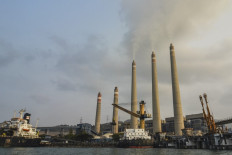
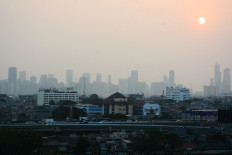
Borderless pollution chokes Greater Jakarta as policy gaps persist
As urban air pollution continues to travel across Greater Jakarta, threatening public health and burdening the economy, authorities in the region are facing greater pressure to establish an integrated framework to tackle mounting borderless pollutants.
Jakarta 3 weeks ago
PREMIUM
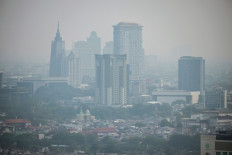
Rainless days exacerbate air pollution in Jakarta
Prolonged rainless days have worsened Jakarta’s air quality, with residents reporting respiratory discomfort and environmentalists warning that weather modification may not be enough to address the capital’s broader environmental problems that can exacerbate the conditions brought on by El Niño.
Jakarta 6 months ago
PREMIUM
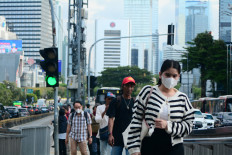
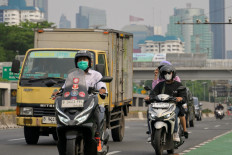
Policy disparities hamper Greater Jakarta’s fight for clean air
Greater Jakarta, recently dubbed the world’s most populous urban area by the United Nations, has long been afflicted by smog coming from, among other sources, internal combustion engine vehicles and coal-powered power plants and industrial areas.
Editor's Picks
Popular
- Much ado about asset forfeiture
- Mass poisonings cast doubt on free meals reforms
- New data rules could unlock cross-border data flows
- Children are no longer the priority, were they ever?
- The benefit of the doubt has expired
- Rescuers searching for 140 people from passenger ship in Java Sea
- Three more volcanoes erupt following Sinabung, Anak Krakatau
- SOE dividend grab tests Danantara’s mandate
- BRICS nations call for 'maximum restraint' in Middle East war
- Indonesia, China eye cooperation to boost 3 million homes program


