The Jakarta Post
Please Update your browser
Your browser is out of date, and may not be compatible with our website. A list of the most popular web browsers can be found below.
Just click on the icons to get to the download page.


Popular Reads
Top Results
No results found. Please check your search term and try again
Can't find what you're looking for?
View all search results
Popular Reads
Top Results
No results found. Please check your search term and try again
Can't find what you're looking for?
View all search resultsantigraft-body
Politics 7 months ago
PREMIUM
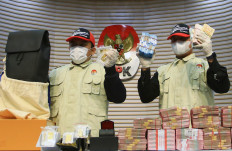
KPK intensifies raids amid calls for independence
The Corruption Eradication Commission (KPK) has launched six raids in January and February, half the total for 2025, signaling renewed vigor in fighting graft, though experts and activists caution the agency must remain free from political pressure to succeed.
Politics 1 year ago
PREMIUM
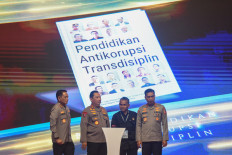
KPK, AGO welcome police’s new antigraft corps
Both the Corruption Eradication Commission (KPK) and the Attorney General's Office (AGO) dismiss concerns about potential overlapping authorities in investigating corruption cases with the National Police's newly formed Corruption Eradication Corps.
Politics 2 years ago
PREMIUM
Graft watchdogs disapprove of ‘problematic’ candidates in KPK selection
Among the 20 names moving to the next stage of the Corruption Eradication Commission (KPK) commissioner selection process are current commissioner Johanis Tanak and deputy Pahala Nainggolan, who were reported for alleged ethics violations.

Politics 2 years ago
PREMIUM
Former minister, current leader cut from KPK commissioner selection
The selection committee for the new leaders of the Corruption Eradication Commission (KPK) has announced the 20 candidates for commissioner who passed the profiling assessment held late last month, with a former minister and an incumbent commissioner among those who did not make it to the next stage of the process.
Politics 2 years ago
PREMIUM
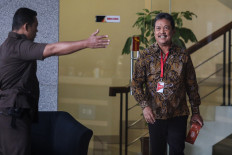
KPK grills fisheries minister Sakti in Telkom graft probe
The KPK has questioned Sakti Wahyu Trenggono as a witness in a graft case pertaining to procurement transactions at Telkom in relation to a data service project in 2017-2022, making him the second fisheries minister from the Jokowi administration involved in a corruption probe.
Politics 4 years ago
PREMIUM
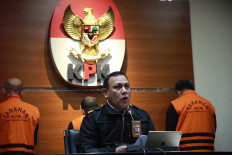
Prevention should be key in antigraft campaign: Jokowi
“Corruption eradication [efforts] should address the root of the problem. [Graft] prevention is a more fundamental way [to address the issue],” said Jokowi on Thursday, adding that instilling a nationwide antigraft culture would be essential in the fight against corruption in the country.

National 5 years ago
Indonesia's antigraft efforts deemed lackluster, survey finds
Indonesia’s ongoing battle against corruption appears to be making little headway as fewer people expressed enthusiasm for the government’s efforts to prevent illicit transactions and prosecute graft perpetrators over the past two years, a recent study by the Indonesian Survey Institute (LSI) has found.
National 6 years ago
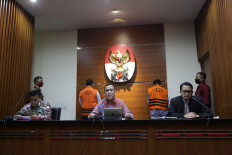
Drastic action needed to save KPK amid controversies, lackluster performance: Activists
Antigraft activists have called for Corruption Eradication Commission (KPK) chairman Firli Bahuri to step down from his position as part of "drastic measures" to save the agency and the fight against graft in Indonesia amid controversies and what they claim to be a lackluster performance by the agency.

National 6 years ago
KPK asks for nearly Rp 1t in additional funds to support graft fight, change in employment status
The Corruption Eradication Commission (KPK) has a made a request for more funding next year to the House of Representatives to help strengthen the agency’s ability to combat graft and facilitate changes in its employees' status.
Editor's Picks
Popular
- PISA gains belie Indonesia’s persistent education crisis
- Not the Ministry of Magic
- Suahasil seen to prioritize fiscal discipline, continuity
- The benefit of the doubt has expired
- Ed Sheeran struggles against Gaza tide
- Osama the gamer: A list of Bin Laden’s video games from his hard drive
- Another company flees Batam, abandons 1,025 workers
- Indonesian Navy welcomes former Italian warship as its first aircraft carrier
- Is Indonesia returning to fiscal orthodoxy?
- Saudi civil defense sends all-clear after alerts issued for capital Riyadh


