The Jakarta Post
Please Update your browser
Your browser is out of date, and may not be compatible with our website. A list of the most popular web browsers can be found below.
Just click on the icons to get to the download page.


Popular Reads
Top Results
No results found. Please check your search term and try again
Can't find what you're looking for?
View all search results
Popular Reads
Top Results
No results found. Please check your search term and try again
Can't find what you're looking for?
View all search resultsblok-m

Jakarta 1 year ago
PREMIUM
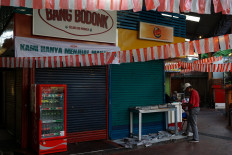
Blok M’s rise as hip hub leaves small traders behind
Blok M, once a haven for small traders and bargain hunters, is fast becoming a symbol of Jakarta’s gentrification, where its revival as a trendy transit-oriented hub has fueled soaring rents and forced long-time vendors out.
Editorial 1 year ago
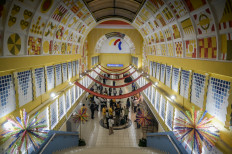
Looking beyond South Jakarta
While continued development of Blok M will undoubtedly enhance the area’s appeal, Governor Pramono must look beyond South Jakarta if he wants Jakarta to become a “global city” that’s on par with urban giants like Singapore, New York, London and Tokyo.
Jakarta 1 year ago
PREMIUM
Blok M to become Jakarta’s economic hub that ‘never sleeps’
The Jakarta administration has launched a major revitalization project in South Jakarta’s Blok M, aiming to transform the long-standing commercial area into a 24-hour economic hub as part of the capital’s push to become a globally competitive city.
Jakarta 1 year ago
PREMIUM
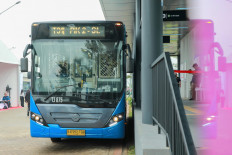
Jakarta expands intercity bus service to PIK 2
Jakarta Governor Pramono Anung launched on May 22 a new route for the Transjabodetabek intercity bus service connecting Blok M in South Jakarta with the integrated residential area Pantai Indah Kapuk (PIK) 2 in Tangerang regency, Banten.

Economy 1 year ago
PREMIUM
Travel is back, but a rise in local trips highlights economic stress
Research by state-owned lender Bank Mandiri shows that intra-provincial travel, or trips within the same province, jumped 45.9 percent in 2024, reversing the trend seen in 2022 and 2023 when longer journeys dominated.
Jakarta 1 year ago
PREMIUM
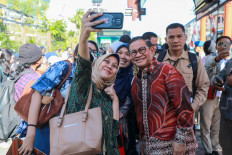
Commuters laud new Transjabodetabek route, but demand more feeders
Jakarta Governor Pramono Anung’s recent initiative to expand intercity bus routes under the Transjabodetabek network has been positively received by the public, although some commuters have called for improved connectivity between their homes and transportation hubs such as bus stops and train stations.
Jakarta 1 year ago
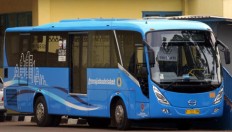
Transjabodetabek bus begins Blok M-Alam Sutera trial run
The Greater Jakarta commuter bus service is trialing the first of five new routes planned to start operating by the end of April, a move that appears aimed at fulfiling the newly installed governor's campaign promise to expand intercity connectivity.
Editor's Picks
Popular
- Safeguarding Indonesia's AI future
- Indonesia calls for more representative UN amid changing world order
- Jakarta water shortages worsen as dry season drags on
- Recentralization concerns in fiscal, education heighten
- Twenty years on, BRICS faces a defining choice
- Court decision tightens House oversight on free meals funding
- Govt under pressure as 3 million home drive hits cracks
- Gontor leader’s blunt remarks highlight ‘pesantren’ political independence
- Popular discontent is justified. Authoritarianism is not the answer
- Indian arrested for smuggling gold bars to Thailand via N. Sumatra airport


