TheJakartaPost
Please Update your browser
Your browser is out of date, and may not be compatible with our website. A list of the most popular web browsers can be found below.
Just click on the icons to get to the download page.


Popular Reads
No popular reads data found
Top Results
No results found. Please check your search term and try again
Can't find what you're looking for?
View all search results
Popular Reads
No popular reads data found
Top Results
No results found. Please check your search term and try again
Can't find what you're looking for?
View all search resultsefficiency
Academia 1 week ago
PREMIUM
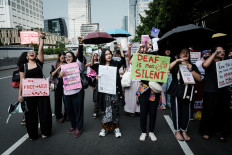
Why budget cuts betray the spirit of Ramadan and women’s rights
The government's commitment to women is being hollowed out by a "fiscal anemia" that favors bureaucrats over survivors through ruthless budget cuts that have institutionalized the abandonment of its most vulnerable citizens, even as the country touts its "free and active" policy stance on the global stage.

Opinion 2 months ago
PREMIUM
Analysis: Energy subsidy reform set in motion as govt eyes budget efficiency
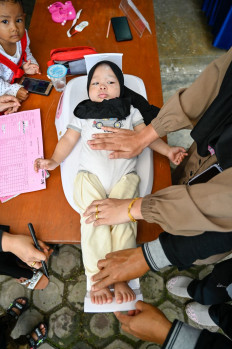
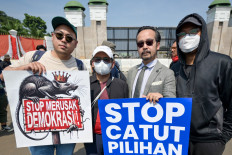
The administration of Prabowo Subianto is reforming the disbursement of fuel and electricity subsidies to improve state budget efficiency. These subsidies have long been criticized for disproportionately benefiting upper-middle-class households, who consume more energy, rather than the poor and vulnerable groups they are intended to support. As a result, the government now aims to better target subsidy distribution and reduce its long-standing fiscal burden. The urgency to optimize subsidy spending has also grown amid rising expenditures for several major government programs.

Academia 4 months ago
PREMIUM
Fiscal sandbox and community transfers: A new path amid the regional transfer cut
Following the furor over the recent cut to the regional transfers scheme, the government could turn crisis into opportunity by trialing its fiscal decentralization move as a managed, monitored and measurable policy lab.
Politics 5 months ago
PREMIUM
Efficiency, coordination at risk as government expands further
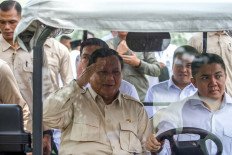
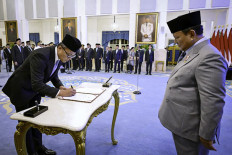
President Prabowo has once again expanded his already large cabinet, bringing in four new officials and creating a new government body in his fourth reshuffle on Wednesday, a move analysts say may risk hampering efficiency and straining coordination.