The Jakarta Post
Please Update your browser
Your browser is out of date, and may not be compatible with our website. A list of the most popular web browsers can be found below.
Just click on the icons to get to the download page.


Popular Reads
Top Results
No results found. Please check your search term and try again
Can't find what you're looking for?
View all search results
Popular Reads
Top Results
No results found. Please check your search term and try again
Can't find what you're looking for?
View all search resultsfarmer
Economy 1 year ago
PREMIUM
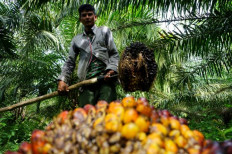
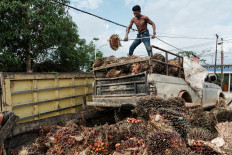
Oil palm farmers’ woes over land, replanting overshadow EU trade deal
Representing 40 percent of total plantation area, their challenges could limit the country’s ability to seize the export opportunities offered by the Comprehensive Economic Partnership Agreement (IEU-CEPA).

Economy 1 year ago
PREMIUM
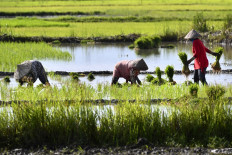
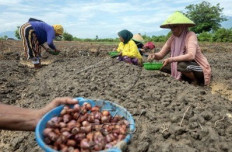
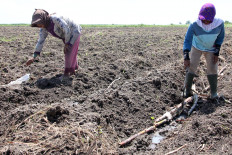
Bali continues agriculture push on shaky ground
The island province, long known for its sandy beaches, terraced rice farms and unique temple culture, is still struggling to find a way to ramp up its agriculture industry and move away from its reliance on tourism as the key economic contributor.
Editor's Picks
Popular
- Popular discontent is justified. Authoritarianism is not the answer
- Sugarcane farmers query House over sugar imports
- Recentralization concerns in fiscal, education heighten
- Govt under pressure as 3 million home drive hits cracks
- Safeguarding Indonesia's AI future
- The agrarian reform law and investment prospects of palm oil
- Peatland agency revival tests commitment to curb unchecked conversion
- Tokyo suffers longest streak of rainy days on record
- Stocks plunge as IDX lowers minimum price cap
- Inside the education system moulding Afghanistan's next generation


