The Jakarta Post
Please Update your browser
Your browser is out of date, and may not be compatible with our website. A list of the most popular web browsers can be found below.
Just click on the icons to get to the download page.


Popular Reads
Top Results
No results found. Please check your search term and try again
Can't find what you're looking for?
View all search results
Popular Reads
Top Results
No results found. Please check your search term and try again
Can't find what you're looking for?
View all search resultsgovernance

Economy 1 month ago
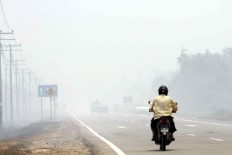
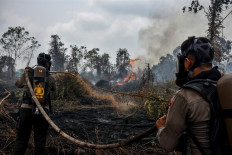
Global standards, governance and commercial discipline underpin INA’s investment strategy
Five years after its establishment, the Indonesia Investment Authority (INA) has demonstrated how strong governance, commercial discipline and global partnerships can mobilize long-term capital while supporting Indonesia's sustainable economic development.




Academia 1 month ago
PREMIUM
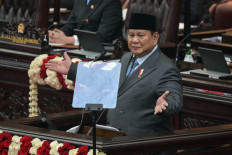
The costs of ‘execution first, planning later’
It is true that a hefty share of public spending went into FGDs, seminars and workshops that produced little. But his own government now suffers the opposite failure of executing before it plans, then improvising the plan as the execution collapses. Yet the damage is already done, heavily.
Editor's Picks
Popular
- New islands appear after Anak Krakatau volcano erupts
- A ministry restored
- Prabowo resurrects advisory board
- Reshuffle shores up coalition support for 2029
- Whisky, big-screen TV seized from prison 'villas' in West Java
- Philippines arrests 244 foreign workers in online scam crackdown
- Sugarcane farmers query House over sugar imports
- Gibran’s fall, Prabowo’s power reconfiguration?
- Can young Indonesians still afford home?
- Indonesia pushes cooperation to outpace global scam networks


