The Jakarta Post
Please Update your browser
Your browser is out of date, and may not be compatible with our website. A list of the most popular web browsers can be found below.
Just click on the icons to get to the download page.


Popular Reads
Top Results
No results found. Please check your search term and try again
Can't find what you're looking for?
View all search results
Popular Reads
Top Results
No results found. Please check your search term and try again
Can't find what you're looking for?
View all search resultsreformasi
Academia 10 months ago
PREMIUM
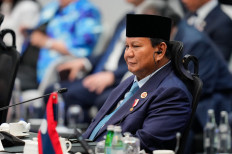
Prabowo doesn’t need to be another Soeharto
The irony of declaring Soeharto a national hero is that Prabowo doesn't actually need the strongman's ghost to cement his legitimacy: He already has it in spades, and all he need do to carve out his legacy is to break with the past and forge ahead.
Academia 10 months ago
PREMIUM
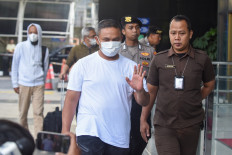
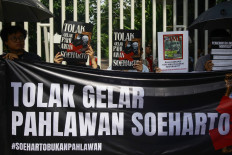
Beyond the builder: Soeharto, impunity and the global standard of heroism
The proposed conferral of the national hero title upon Soeharto challenges not only our collective memory but also our unwavering commitment to transitional justice and the mandates of the 1998 Reformasi.


Editor's Picks
Popular
- Much ado about asset forfeiture
- Suahasil seen to prioritize fiscal discipline, continuity
- Not the Ministry of Magic
- Mass poisonings cast doubt on free meals reforms
- Children are no longer the priority, were they ever?
- Purbaya ousted after clash with Prabowo's ex-army colleague, sources say
- Whoosh takeover in limbo after Purbaya ousted as finance minister
- Malaysia talks to rival airlines as it monitors AirAsia's financial health
- Artists exit Sheeran tour in solidarity with Macklemore pro-Palestinian comments
- Prabowo opens new LRT link, backs Jakarta’s expansion push


