TheJakartaPost
Please Update your browser
Your browser is out of date, and may not be compatible with our website. A list of the most popular web browsers can be found below.
Just click on the icons to get to the download page.


Popular Reads
No popular reads data found
Top Results
No results found. Please check your search term and try again
Can't find what you're looking for?
View all search results
Popular Reads
No popular reads data found
Top Results
No results found. Please check your search term and try again
Can't find what you're looking for?
View all search resultsrenewable-energy




Opinion 6 months ago
PREMIUM
Analysis: Proposed renewable rule change spark concerns of coal expansion
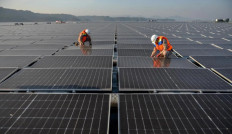
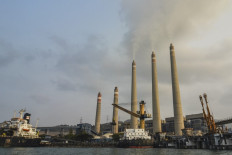
Indonesia's draft revision of its renewable energy regulation has raised concern that the government is backtracking on its energy transition commitments. Rather than accelerating the shift to clean energy, critics say the revision to Presidential Regulation (Perpres) No. 112/2022 on Accelerating the Development of Renewable Energy for Electricity Procurement would open the door to more coal-fired power plants (CFPPs). The move risks derailing Indonesia's net-zero emissions (NZE) target and reinforces perceptions that the Prabowo Subianto administration prioritizes energy security over transition efforts.