The Jakarta Post
Please Update your browser
Your browser is out of date, and may not be compatible with our website. A list of the most popular web browsers can be found below.
Just click on the icons to get to the download page.


Popular Reads
Top Results
No results found. Please check your search term and try again
Can't find what you're looking for?
View all search results
Popular Reads
Top Results
No results found. Please check your search term and try again
Can't find what you're looking for?
View all search resultstoll-road

Jakarta 2 months ago
PREMIUM
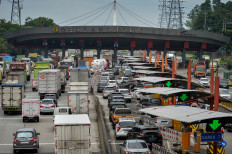
‘Endless’ works infuriate commuters on Jakarta-Tangerang toll road
The Jakarta-Tangerang toll road, which connects Jakarta with Banten and several important gateways to the city and country, has been plagued by continuous roadworks that have increased travel times on the road significantly for commuters.

Opinion 4 months ago
PREMIUM
Analysis: Toll road VAT, EV disincentive: Short-term revenue, long-term losses
As the government seeks to shore up fiscal stability amid slowing tax revenue and rising spending pressures, it is turning to controversial new revenue measures, including imposing VAT on toll roads and removing tax exemptions for EV. These policies could slow adoption even as the country pushes electrification to reduce reliance on costly fuel imports.

Academia 6 months ago
PREMIUM
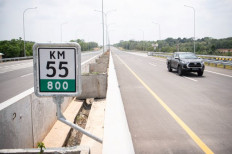
Beyond the ritual, the power of Indonesia’s 'Lebaranomics' is real
In an economy still heavily skewed toward urban concentration, where capital accumulates disproportionately in Jakarta and major cities, the annual Idul Fitri migration serves as a release valve, channeling economic “lifeblood” back into rural capillaries.




Editor's Picks
Popular
- Recentralization concerns in fiscal, education heighten
- Safeguarding Indonesia's AI future
- Twenty years on, BRICS faces a defining choice
- Indonesia calls for more representative UN amid changing world order
- Court decision tightens House oversight on free meals funding
- Indian arrested for smuggling gold bars to Thailand via N. Sumatra airport
- Agrarian reform bill gets mixed reaction
- Singapore’s BDx launches 640MW data center project in West Java
- Crew member from missing Anak Krakatau boat identified
- ASEAN warms to BRICS without sacrificing centrality


