The Jakarta Post
Please Update your browser
Your browser is out of date, and may not be compatible with our website. A list of the most popular web browsers can be found below.
Just click on the icons to get to the download page.


Popular Reads
Top Results
No results found. Please check your search term and try again
Can't find what you're looking for?
View all search results
Popular Reads
Top Results
No results found. Please check your search term and try again
Can't find what you're looking for?
View all search resultsFrom hospital beds, Cambodian soldiers describe 'toxic gas'
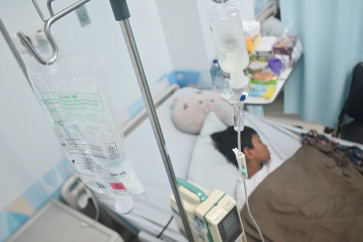
From their hospital beds in Banteay Meanchey province in northwest Cambodia, several soldiers and police described experiencing respiratory problems after Thai aircraft dropped what they said was "poisonous water".
Change text size
Gift Premium Articles
to Anyone
Share the best of The Jakarta Post with friends, family, or colleagues. As a subscriber, you can gift 3 to 5 articles each month that anyone can read—no subscription needed!
 Set as preferred source
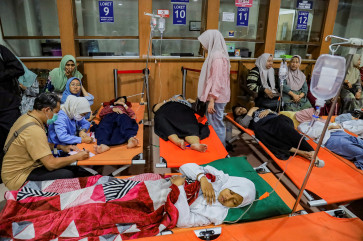
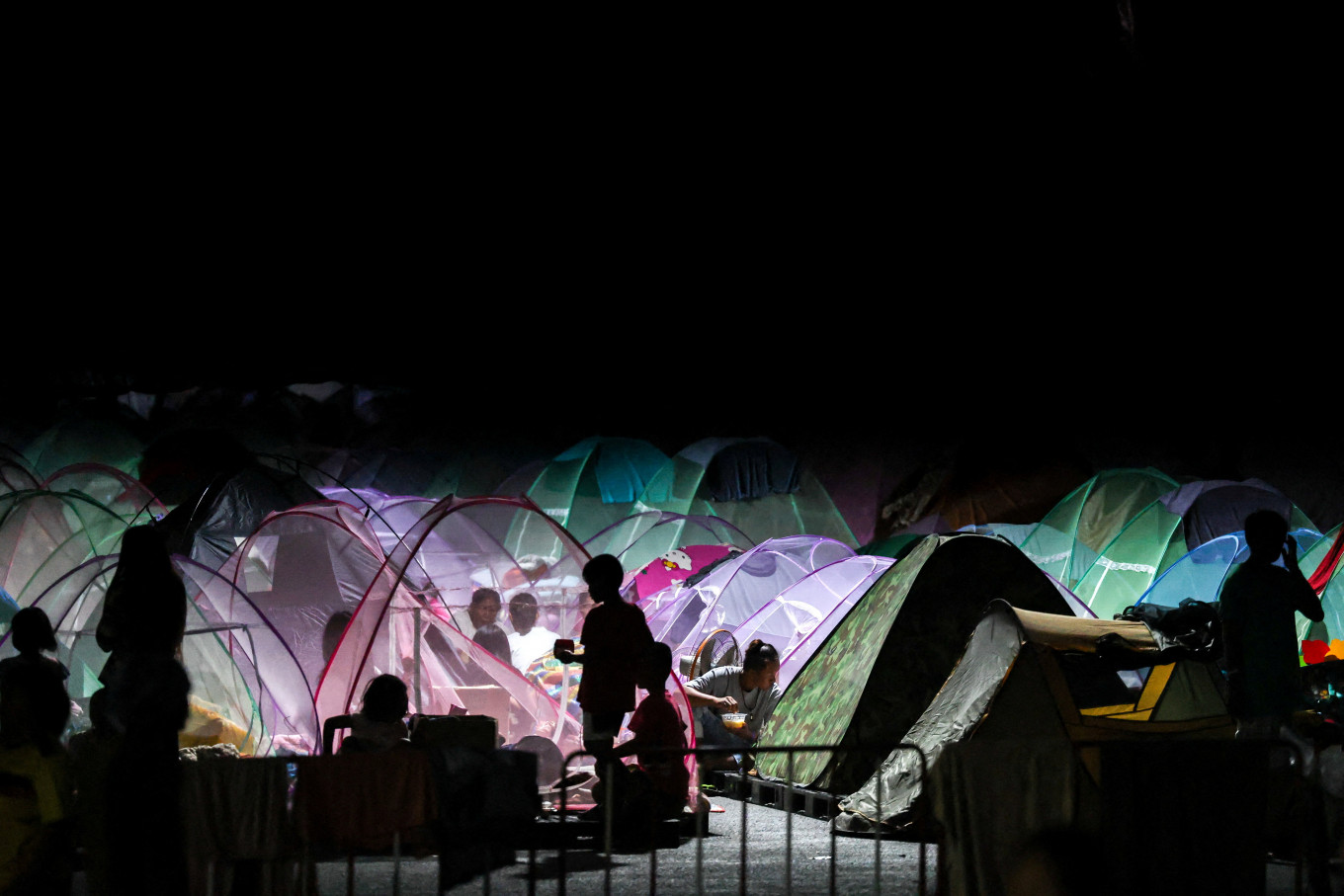 Displaced people gather inside a temporary shelter amid clashes between Thailand and Cambodia along a disputed border area, in Buriram province, Thailand, December 16, 2025. (Reuters/Athit Perawongmetha)
C
ambodian soldier Kun Yong said he had been forced to pull back from his frontline position recently after he had trouble breathing following a sortie by a Thai aircraft.
"It's like I was suffocating," he told Reuters as he lay in a hospital bed, with his wife by his side.
Since early December, Thailand and Cambodia have been locked in a border conflict that has killed more than 40 people and displaced over half a million in both countries, marking the fiercest fighting between the two Southeast Asian nations in decades.
From their hospital beds in Banteay Meanchey province in northwest Cambodia, several soldiers and police described experiencing respiratory problems after Thai aircraft dropped what they said was "poisonous water".
Cambodia's Ministry of Defense has claimed on almost a daily basis that the Thai military is using "toxic gas", including as recently as Wednesday in the village where Kun Yong had been stationed. In a statement, the ministry called the use of gas, among other tactics, a clear violation of international law.
It has not named the suspected gas, provided evidence, or said whether it has formally protested its use to international authorities. Spokespeople for the ministry and the national government did not answer phone calls seeking fresh comment.
Reuters could not independently verify the claims.
Thai Air Force spokesman Air Marshal Jackkrit Thammavichai told Reuters that the air force had never used chemical weapons, and called reports of their use "fake news" aimed at discrediting its operations.
"If it were chemical weapons, they wouldn't be experiencing difficulties breathing, they would have died," he said.
During fighting in July, Cambodia accused Thailand of using white phosphorus munitions, which burn brightly and produce clouds of billowing smoke, describing it as chemical warfare.
Thailand acknowledged holding such munitions, but said at the time it was not designated as a chemical weapon under international conventions and was used for illumination, as a smoke screen, and for other approved uses.
According to the World Health Organization, exposure to white phosphorus fumes is harmful to the eyes and respiratory tract.
Cambodia has not specified whether it blames white phosphorous for the latest injuries.
Bong Bunnarith, a doctor at a hospital in Banteay Meanchey province, said he received around 20 soldiers last week with symptoms of dizziness, vomiting and difficulty breathing, but he could not determine exactly what had caused those symptoms without further testing.
"We provided whatever is available for them here before transferring to other hospitals," he said.
At another hospital - in Sisophon district in Banteay Meanchey - doctor Nak Vanny said he had treated twenty soldiers on Saturday with similar symptoms.
When Reuters visited on Sunday, several soldiers lay on beds, some using oxygen masks.
"They fired the poisonous smoke at our bases from the air to poison us," said soldier Khat Phally, 66.
Khieu Sophan, a 55-year-old policeman, said: "A moment after the firing, I felt like I was suffocating, and my body suddenly weakening."