The Jakarta Post
Please Update your browser
Your browser is out of date, and may not be compatible with our website. A list of the most popular web browsers can be found below.
Just click on the icons to get to the download page.


Popular Reads
Top Results
No results found. Please check your search term and try again
Can't find what you're looking for?
View all search results
Popular Reads
Top Results
No results found. Please check your search term and try again
Can't find what you're looking for?
View all search resultsAustralia declares El Nino in Pacific that could become strongest in decades
Sea surface temperatures in the region exceeded El Nino thresholds and atmospheric indicators all aligned with the phenomenon that brings extremes of weather, the Bureau of Meteorology said.
Change text size
Gift Premium Articles
to Anyone
Share the best of The Jakarta Post with friends, family, or colleagues. As a subscriber, you can gift 3 to 5 articles each month that anyone can read—no subscription needed!
 Set as preferred source
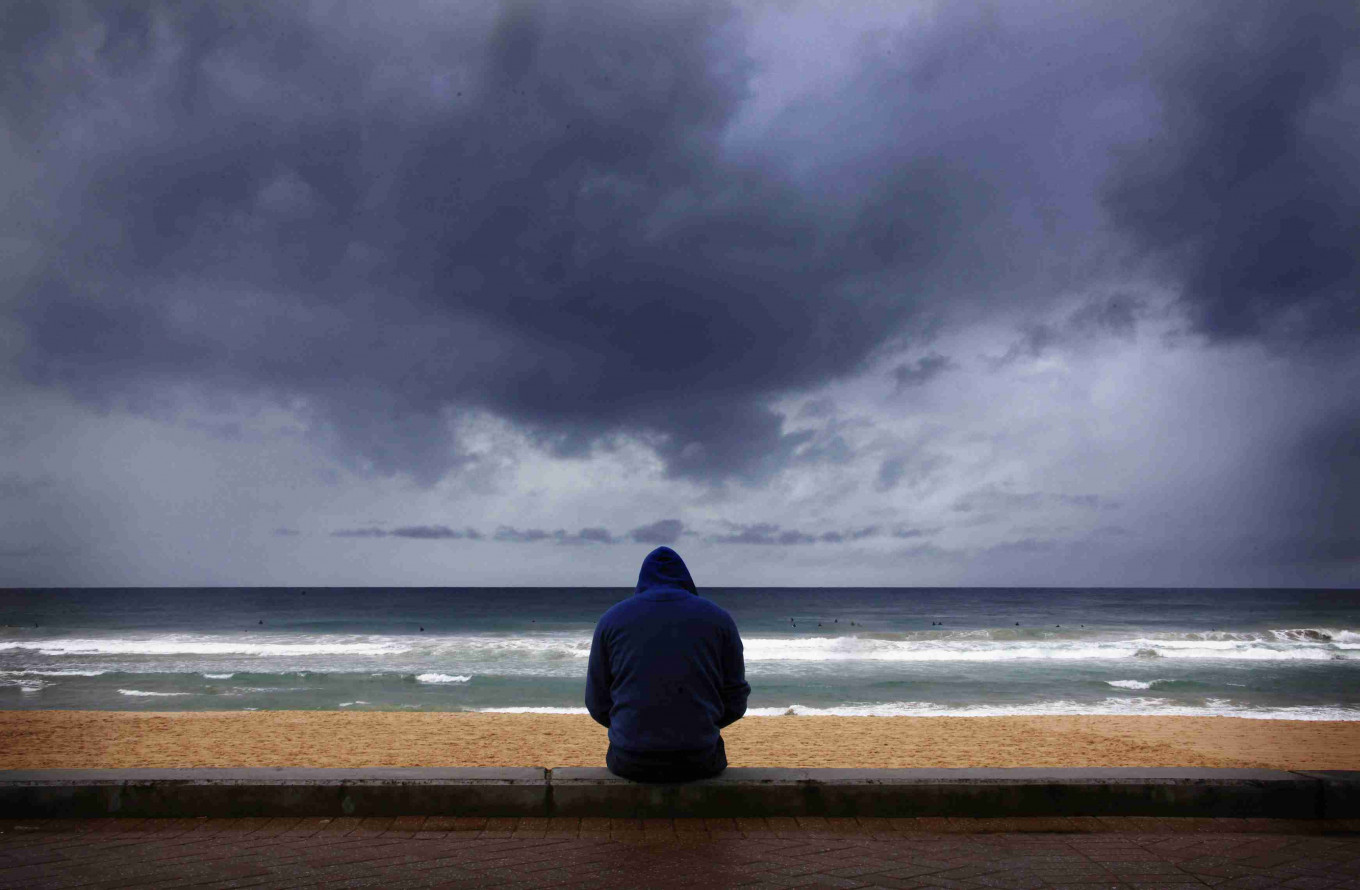 A surfer looks at waves as storm clouds move in from the Pacific Ocean at Sydney's Manly Beach August 26, 2014. The Australian Weather Bureau reported today that despite tropical Pacific Ocean temperatures remaining at neutral levels, models suggest El Nino development remains possible during the coming months, adding that weakening trade winds over the Pacific Ocean earlier in August produced little warming of tropical sea surface temperatures. Picture taken August 26, 2014. REUTERS/David Gray (AUSTRALIA - Tags: ENVIRONMENT SOCIETY TPX IMAGES OF THE DAY) (Reuters/DAVID GRAY)
A
ustralia's weather bureau warned on Tuesday that an El Nino weather pattern has formed in the tropical Pacific and could intensify to become one of the strongest in seven decades.
Sea surface temperatures in the region exceeded El Nino thresholds and atmospheric indicators all aligned with the phenomenon that brings extremes of weather, the Bureau of Meteorology said.
"Forecasts are pointing towards a strong to very strong El Nino event, based on the extent of warming in the central tropical Pacific," it said in a statement.
"Around half of the models indicate this event could peak at levels among the highest observed since 1950."
A periodic warming of sea surface temperatures in the central and eastern Pacific Ocean, El Nino is linked to less rainfall in winter and spring, particularly on Australia's east coast and higher southern daytime temperatures, the bureau said.
The weather phenomenon is particularly damaging to Australia as it affects agricultural production in the country, which ranks among the world's largest exporters of wheat, sugar and beef.
The last El Nino experienced in Australia from 2023 to 2024 caused the driest three-month period on record.
One of the strongest such events, occurring in 2015 and 2016, brought widespread drought and reduced grain and oilseed output.
Scientists fear it will exacerbate the heat of a planet already warming from burning fossil fuels, while amping up weather extremes.
"El Nino is here, and it could be one for the history books," said meteorologist Haley Thiem in an explainer video from the US National Oceanic and Atmospheric Administration.
In its latest advisory, scientists at NOAA said there is a 63 percent chance "of a very strong El Nino during November-January that would rank among the largest El Nino events in the historical record going back to 1950."
Every El Nino is different, but major events often follow familiar patterns. This includes drought across parts of the Amazon, Indonesia and Australia, disrupted monsoons in India, and shifting rainfall throughout the tropics.
It typically takes place every two to seven years and lasts around nine to 12 months.