The Jakarta Post
Please Update your browser
Your browser is out of date, and may not be compatible with our website. A list of the most popular web browsers can be found below.
Just click on the icons to get to the download page.


Popular Reads
Top Results
No results found. Please check your search term and try again
Can't find what you're looking for?
View all search results
Popular Reads
Top Results
No results found. Please check your search term and try again
Can't find what you're looking for?
View all search resultsDanone Indonesia develops science-based nutrition to help address iron deficiency
Science-based nutrition is helping Indonesia tackle iron deficiency anemia, one of the country's biggest threats to children's future health, learning and productivity.
Change text size
Gift Premium Articles
to Anyone
Share the best of The Jakarta Post with friends, family, or colleagues. As a subscriber, you can gift 3 to 5 articles each month that anyone can read—no subscription needed!
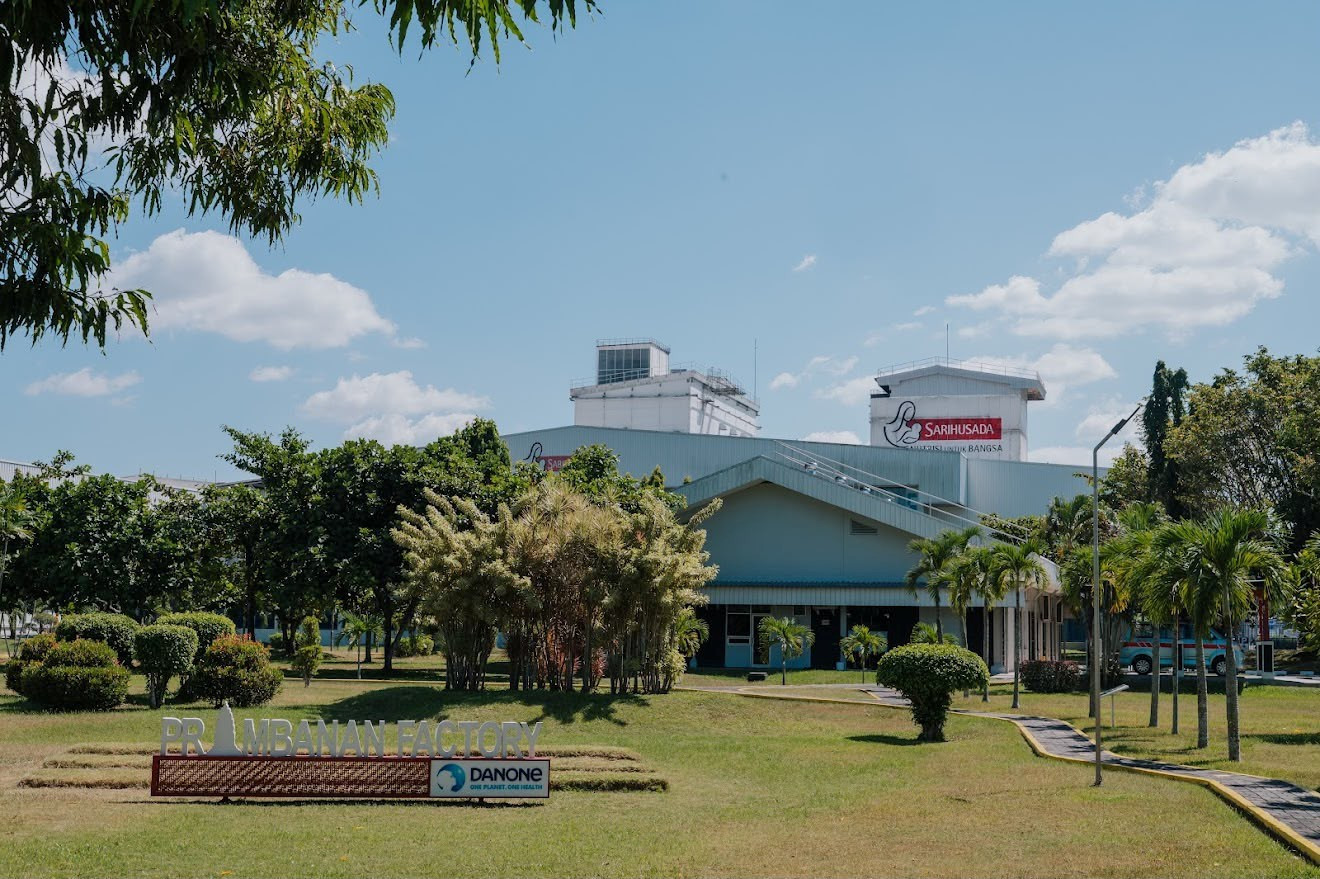 (Courtesy of Danone Indonesia)
Can science-based innovation help Indonesia overcome one of its most persistent nutrition challenges?
Despite steady economic progress, micronutrient deficiencies remain a major public health concern in Indonesia. Among them, Iron Deficiency Anemia (IDA) continues to affect millions of children and women, threatening cognitive development, educational achievement, productivity, pregnancy outcomes and ultimately the country's future human capital.
According to Dian Novita Chandra, a nutrition expert at the Faculty of Medicine at the University of Indonesia, IDA affects nearly 40 percent of children under five and around 30 percent of pregnant women worldwide.
In Indonesia, the prevalence is lower but still alarming, affecting 23.8 percent of children and 27.7 percent of pregnant women. Given Indonesia's large population, these figures represent millions of people living with iron deficiency anemia.
"The most common cause of anemia is iron deficiency, and it occurs most frequently during the first 1,000 days of life, a critical period for growth, immunity and brain development," Dian said during a visit to Danone Specialized Nutrition Indonesia's factory in Prambanan, Klaten, Central Java, on July 8.
Dian, who also serves as secretary-general of the Indonesian Nutritionists Association (Persagi), said IDA is often called a "silent condition" because its symptoms are subtle and easily overlooked. Pale skin, fatigue, poor appetite and recurrent infections are frequently recognized only after the condition has progressed.

She stressed that education and early screening are essential because intervention should begin before clinical symptoms appear. She also noted that iron absorption can be reduced by phytates, naturally occurring compounds found in several plant-based foods.
If left untreated, iron deficiency anemia may have lifelong consequences, reducing children's learning ability, educational attainment and future employment opportunities.
Ray Wagiu Basrowi, Medical and Scientific Affairs Director at Danone Indonesia, cited research conducted by Danone and academic partners involving elementary school students. The study found that children with iron deficiency anemia scored lower on working memory tests, a key cognitive function that supports learning and future productivity.
"The World Health Organization and UNICEF have stated that countries with iron deficiency anemia prevalence above 20 percent will face challenges in improving their human capital and achieving sustainable development," Ray said.
He added that poor nutrition can create an intergenerational cycle of reduced health, education, and economic opportunity.
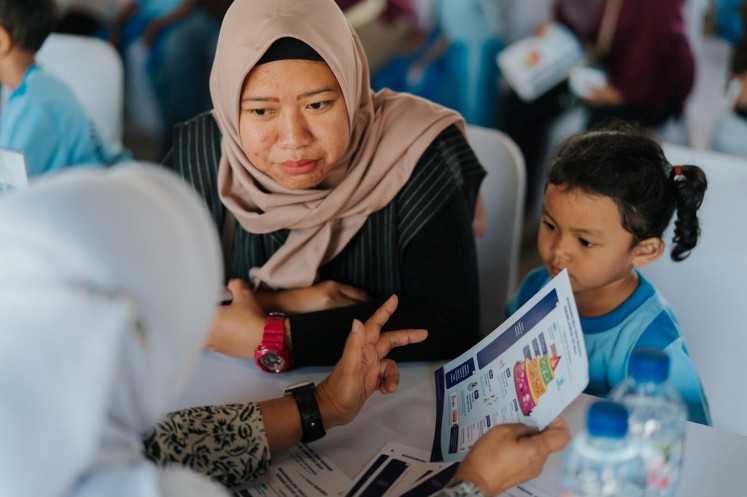
Conventionally, iron deficiency is treated through iron supplementation prescribed by physicians, combined with dietary improvements. Patients are encouraged to consume iron-rich foods such as red meat, fish, poultry and leafy green vegetables, while vitamin C-rich foods help increase iron absorption.
However, improving nutrition at the population level requires more than treatment alone. It also requires scientific innovation, responsible food manufacturing and broad public education.
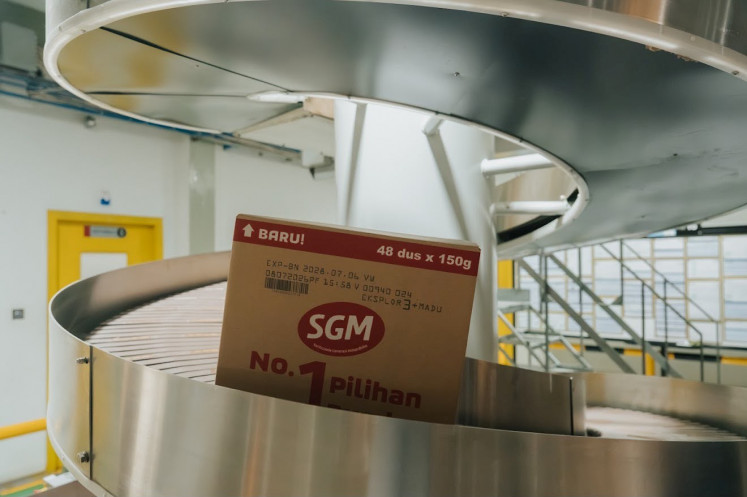
One example is the Sarihusada Prambanan Factory, part of Danone Specialized Nutrition Indonesia, which develops nutritional products including SGM Eksplor to help meet the nutritional needs of children and families.
The products are developed through decades of scientific research supported by collaborations with nutrition experts and the Danone Nutricia Research–Sarihusada Research & Innovation Center in Yogyakarta.
The scientific foundation dates back to 1965, when pediatrician Prof. T. B. Siang at Cipto Mangunkusumo Hospital conducted a 10-month clinical study involving more than 1,000 children to develop the SGM formula.
Since Danone joined Sarihusada in 2008, product development has been supported by a global network of more than 400 scientists working across research centers in the Netherlands, Singapore and Indonesia.
"Our products, including SGM Eksplor, use the functional IronC approach, a combination of iron and vitamin C that has been clinically proven to double iron absorption," said Lastiani Rosalina, Factory Director of Danone Specialized Nutrition East Region.
According to Dian, the nutritional needs of one-year-old children increase significantly as they enter the transition phase from breastfeeding to solid foods. During this stage, their daily meals alone may not always be sufficient to meet all of their nutritional requirements.
SGM Eksplor 1+ is formulated to support children's growth and development with key nutrients, including Omega-3 and tuna fish oil, the proprietary IronC™ formulation, calcium and vitamin D, high-quality protein, dietary fiber, as well as essential vitamins and minerals.
Lastiani explained that SGM products are manufactured using pharmaceutical-grade quality and hygiene standards throughout the production process, from raw material selection to final packaging.
"Ingredients are sourced from certified suppliers that comply with strict quality specifications and undergo regular audits," she said while guiding journalists through the production facility.
Raw materials are transported using multilayer packaging to preserve quality and prevent contamination. Inside the factory, automated production systems handle blending, filling, packaging and palletizing in enclosed environments that minimize exposure to oxygen and light while ensuring hygiene and efficiency.
Environmental management also extends beyond the production line. To reduce contamination risks, fruit-bearing trees are intentionally excluded from the factory grounds to avoid attracting birds and insects.
While nutritional products help improve dietary intake, Danone believes addressing iron deficiency anemia requires broader interventions.
Three pillars strategy
According to Ray, one of Indonesia's biggest challenges is the low rate of anemia screening. Research conducted by Gadjah Mada University (UGM) found that fewer than 10 percent of Indonesian children under five are screened, meaning that most cases remain undetected.
Based on a national consensus involving the government, universities and healthcare professionals, Danone Indonesia has developed a three-pillar strategy to help reduce iron deficiency anemia.
The first pillar focuses on public education. Working with healthcare workers, the company provides nutrition education for pregnant women and their families to improve awareness of balanced diets and adequate iron intake.
The second pillar strengthens scientific research through partnerships with universities across Indonesia. These collaborations have produced more than 40 scientific publications on anemia and nutrition. One of the studies has been adopted by the Health Ministry as a reference for implementing school-based anemia prevention programs.
The third pillar expands access to early screening. Through its iNutri platform, Danone Indonesia developed the Iron Calculator, a digital questionnaire that estimates anemia risk without requiring blood tests. The tool has already been used to screen more than one million pregnant women and young children nationwide.
"Addressing iron deficiency anemia cannot rely solely on medication," Ray said. "It requires education, scientific research, public awareness and accessible screening so that children at risk can be identified as early as possible."
The Prambanan factory also demonstrates Danone's commitment to environmental sustainability. Located on the Yogyakarta - Solo highway in Klaten, the facility occupies approximately 15 hectares, with only 4.5 hectares used for buildings while the remainder is maintained as green open space.
The factory operates biomass boilers fueled by rice husks and rooftop solar panels, reflecting the company's efforts to reduce carbon emissions while producing nutritional products.
Sarihusada's history dates back to 1954, when NV Saridele was established in Muja Muju, Yogyakarta, through a collaboration between the Indonesian government and UNICEF to combat widespread malnutrition and protein deficiency among mothers and children in post-independence Indonesia.
As demand for fortified nutritional products increased, production expanded to the Prambanan facility, which now serves as one of Danone Specialized Nutrition Indonesia's main manufacturing centers. Together with the Muja Muju plant, it produces SGM, one of Indonesia's best-known nutritional brands.
The company's long-term vision extends beyond manufacturing.
"As Danone Indonesia, we often say that we do not simply sell bottled water or nutritional products," Danone Indonesia CEO Laurent Boissier said prior to the factory visit. "We participate in helping solve the public health challenges facing this country."
By combining decades of scientific research, advanced manufacturing, partnerships with healthcare professionals and community-based nutrition programs, Sarihusada demonstrates how science-based innovation can contribute to improving Indonesia's nutritional status and strengthening the nation's future human capital.