The Jakarta Post
Please Update your browser
Your browser is out of date, and may not be compatible with our website. A list of the most popular web browsers can be found below.
Just click on the icons to get to the download page.


Popular Reads
Top Results
No results found. Please check your search term and try again
Can't find what you're looking for?
View all search results
Popular Reads
Top Results
No results found. Please check your search term and try again
Can't find what you're looking for?
View all search resultsSaparinah Sadli: A century of curiosity, courage and conviction
A scholar, activist and mentor to generations of women, Indonesia’s pioneer of gender studies remains an enduring force for women’s rights and social justice.
Change text size
Gift Premium Articles
to Anyone
Share the best of The Jakarta Post with friends, family, or colleagues. As a subscriber, you can gift 3 to 5 articles each month that anyone can read—no subscription needed!
 Set as preferred source
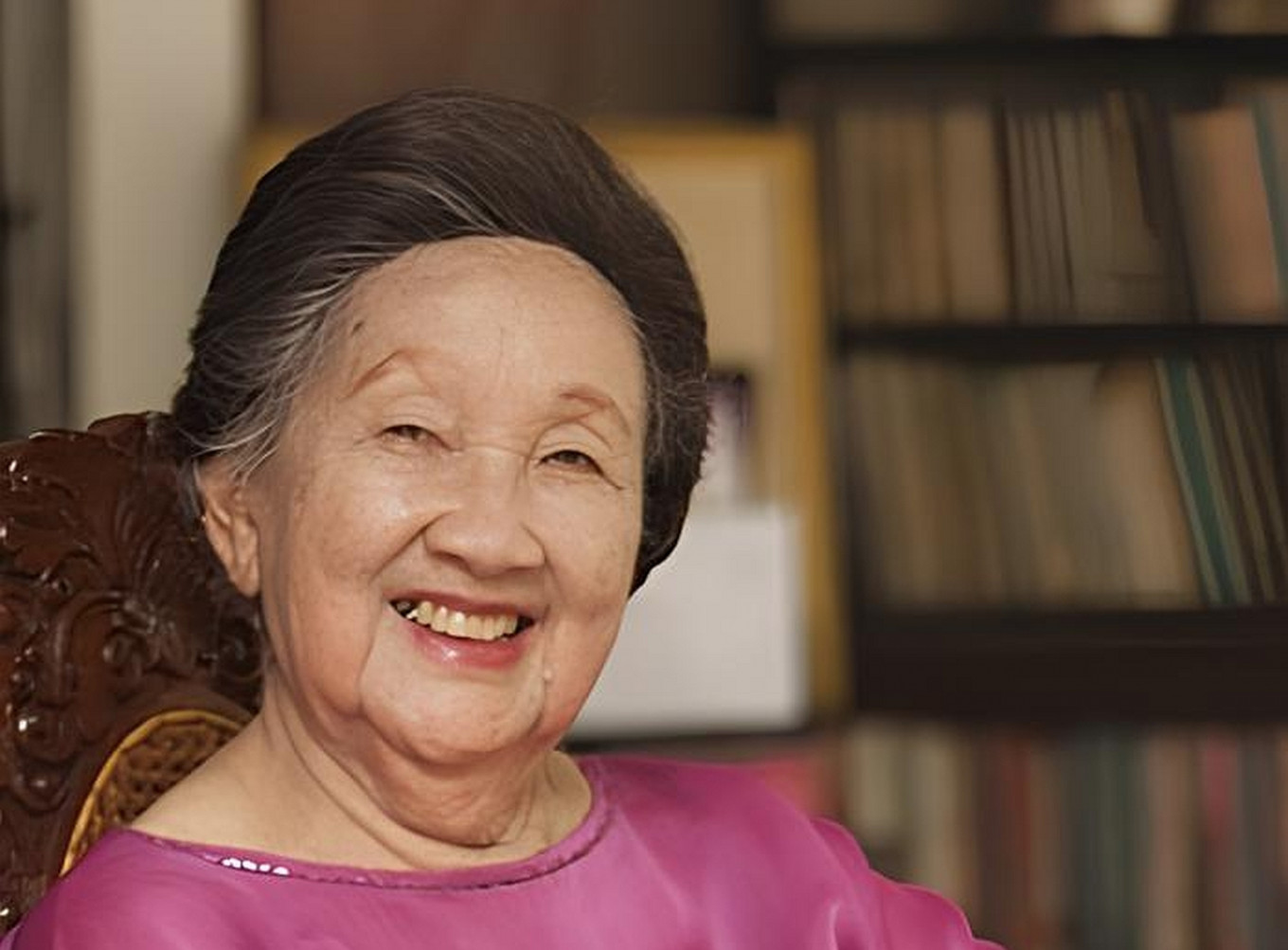 Lifetime of advocacy: Saparinah Sadli, a pioneering psychologist and women's rights advocate, poses in this file photo. She turns 100 on Aug. 24, 2026, after decades of advancing women's studies and human rights in Indonesia. (psikologi.ui.ac.id/-)
A
s Saparinah Sadli turns 100 on Aug. 24, she stands not only as a witness to a century of Indonesian history, but as an active shaper of the country’s social conscience.
A pioneering psychologist, a founder of gender studies in Indonesia and a fierce defender of human rights, Ibu Sap, as she is fondly known, has turned intellectual thought into bold leadership, combining courage with a distinctly feminine spirit of compassion.
Choosing her own path

Born in 1926 during the Dutch colonial period, Saparinah grew up in a privileged social environment. Her father was a civil servant in the Netherlands Indies administration, giving her access to a European education. Yet at home, traditional customs prevailed. Her father received the best food, while her brother enjoyed freedoms she did not.
Perhaps it was this early experience that helped shape her independent spirit.
Her family steered her toward pharmacy, but Saparinah was inspired instead by the determination of Marie Curie. As a girl, she would climb the tallest tree in the garden and bury herself in books, including Curie’s biography. Curie became her role model, but it was the human psyche and the dignity of human beings that would become the lifelong focus of her work.
After graduating from the Faculty of Pharmacy at Gadjah Mada University in 1953, Saparinah turned to psychology. She earned her bachelor’s degree in 1961, doctorate in 1976 and became a full professor in 1985.



More from The Weekender

Questioning and nurturing the self with Abell Octovan
The visual artist explores new grounds and mediums in his first solo exhibition, Am I an Artist.

Radio still gives you something an algorithm can't
You can choose almost anything you want to hear these days. So why are young people still tuning in to radio?

Travels in the land of Gen Z (Part 2)
Beyond the fragility and short attention span, my students proved sharper, more open-minded and more generous than I’d expected. Second of two parts. Read the first here.