The Jakarta Post
Please Update your browser
Your browser is out of date, and may not be compatible with our website. A list of the most popular web browsers can be found below.
Just click on the icons to get to the download page.


Popular Reads
Top Results
No results found. Please check your search term and try again
Can't find what you're looking for?
View all search results
Popular Reads
Top Results
No results found. Please check your search term and try again
Can't find what you're looking for?
View all search resultsDeforestation still haunts Indonesia’s national parks
The most protected conservation areas in Indonesia face dangers that threaten their tree cover.
Change text size
Gift Premium Articles
to Anyone
Share the best of The Jakarta Post with friends, family, or colleagues. As a subscriber, you can gift 3 to 5 articles each month that anyone can read—no subscription needed!
 Set as preferred source
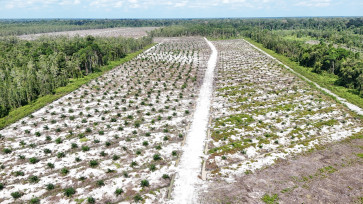
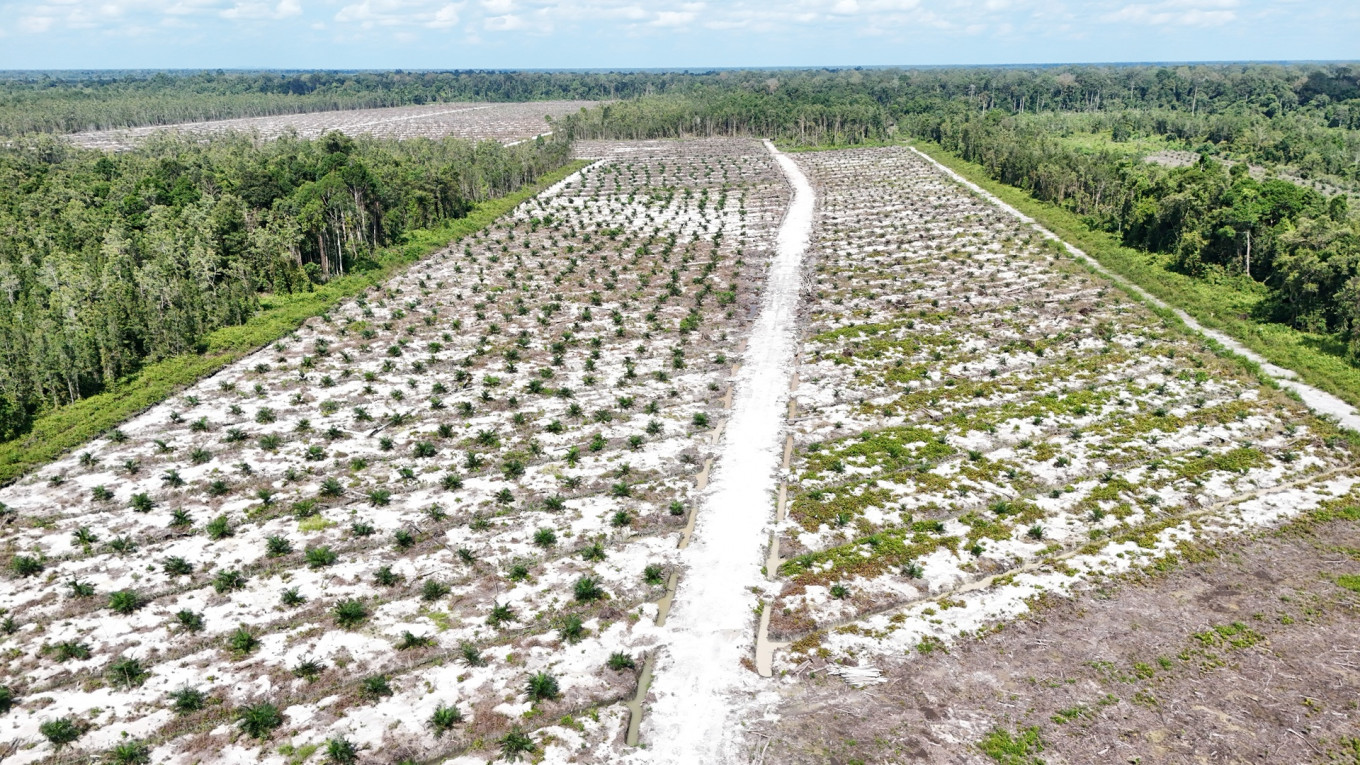 Rows of young oil palm trees are seen on April 28 on the border of Sebangau National Park area in Central Kalimantan. Around 2,000 hectares of forests in the national park and its buffer zone were cleared to make way for oil palm plantations in 2024, according to NGO Auriga Nusantara. (JP/Noufal Helmy)
D
espite having the highest conservation status, many national parks are still suffering from forest destruction, raising questions about commitments from various authorities to preserve the country’s remaining woodlands.
Deforestation is persistent in Indonesia, and it has been on the rise in recent years. According to environmental NGO Auriga Nusantara, more than 430,000 hectares of forest were cleared in 2025. The figure, nearly the same size as seven Jakartas, nearly doubled the amount in 2024.
Of the total figure, around 25,000 ha of cleared forests were located in conservation areas, including national parks like Sebangau in Central Kalimantan, home to peat ecosystems and the critically endangered Bornean orangutan that has been enduring decades of deforestation.
But nearly 2,000 ha of the park and its surrounding zone were cleared to make way for oil palm plantations in 2024, according to Auriga. The clearing was the sixth-largest oil palm encroachment among 57 national parks in the country.
Existing regulations prohibit any conversion of forest land inside a national park for plantations or other purposes. Even indigenous people and local communities are only allowed to utilize land inside national parks under tight limitations without massively clearing tree cover.
Read also: State-led projects drive soaring forest loss in Indonesia, watchdog finds

In our latest special report, The Jakarta Post visited Sebangau to see parts of the national park that has been plagued by deforestation, part of which is the result of illegal oil palm plantations opened within the park’s borders.