The Jakarta Post
Please Update your browser
Your browser is out of date, and may not be compatible with our website. A list of the most popular web browsers can be found below.
Just click on the icons to get to the download page.


Popular Reads
Top Results
No results found. Please check your search term and try again
Can't find what you're looking for?
View all search results
Popular Reads
Top Results
No results found. Please check your search term and try again
Can't find what you're looking for?
View all search resultsIndigenous peoples bill in limbo as House rushes agrarian reform
The long-awaited indigenous peoples bill might once again be left in limbo as the House of Representatives races to prioritize another bill on agrarian reform, raising concern among activists pushing for legislation on the recognition of the underserved and dispossessed.
Change text size
Gift Premium Articles
to Anyone
Share the best of The Jakarta Post with friends, family, or colleagues. As a subscriber, you can gift 3 to 5 articles each month that anyone can read—no subscription needed!
 Set as preferred source
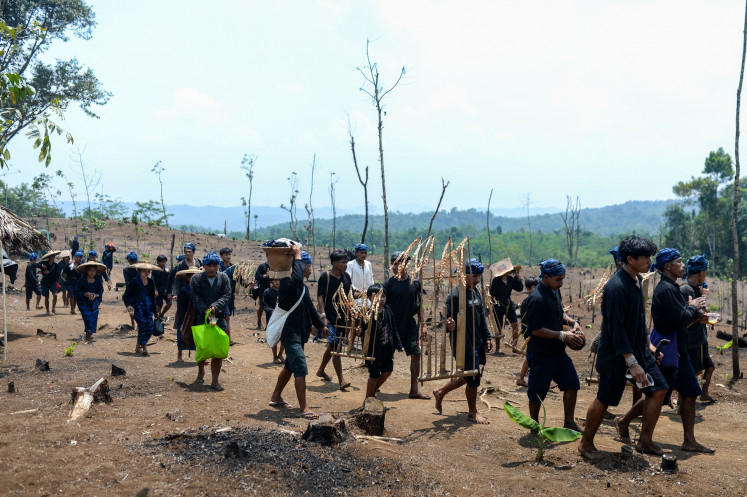
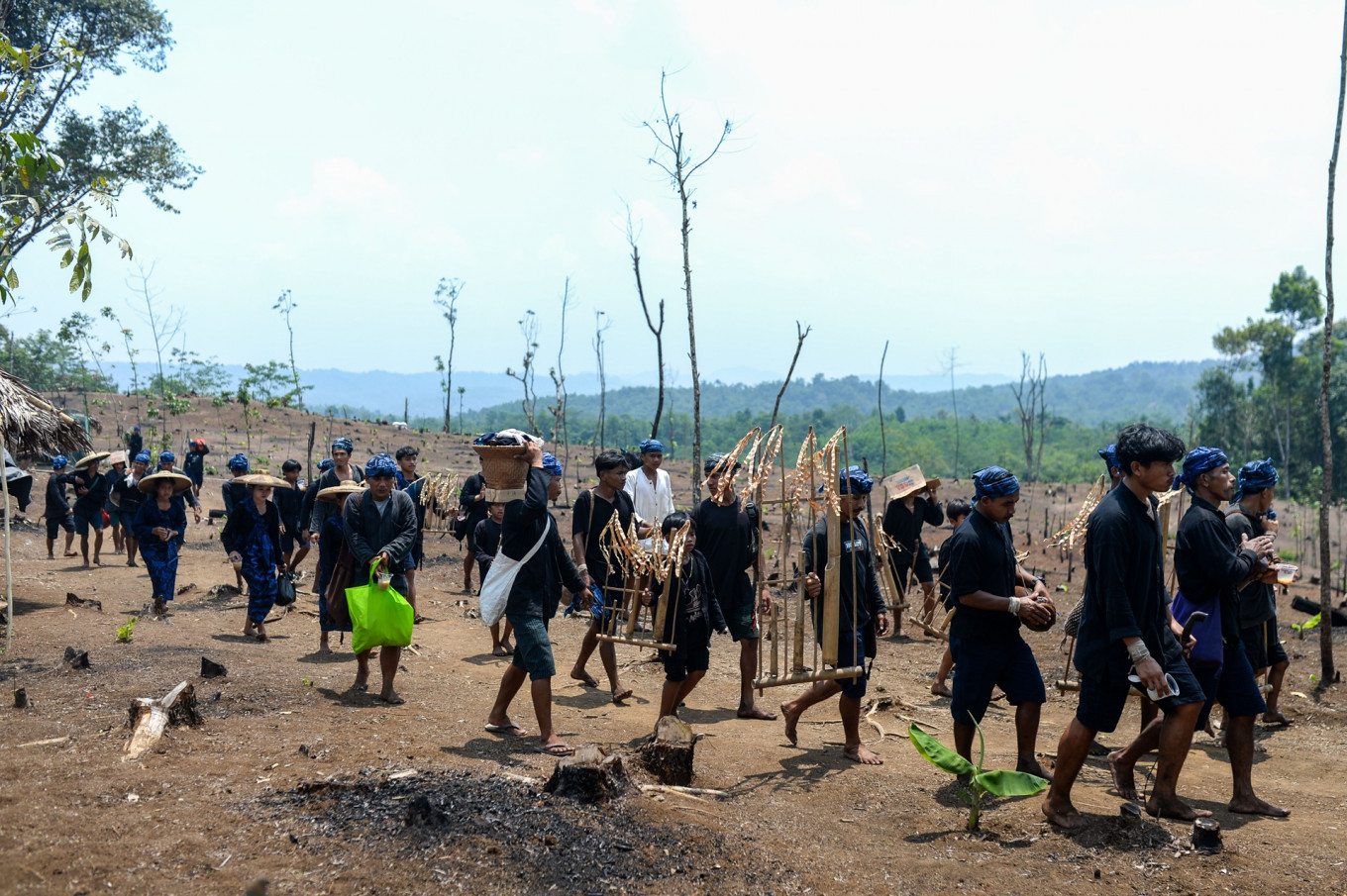 Badui tribe members play traditional Sundanese angklung during the annual Ngaseuk ceremony on Oct. 5, 2025, in Lebak, Banten, to celebrate the planting of rice on dry land to fulfill their daily needs. (Antara/Muhammad Bagus Khoirunas)
T
he long-awaited indigenous peoples bill might once again be left in limbo as the House of Representatives races to prioritize another bill on agrarian reform, raising concerns among activists pushing for a special legislation on the recognition of the underserved and dispossessed.
After being on and off the table at the House for 15 years, the indigenous peoples bill got a fresh chance to become law when lawmakers put it in the list of this year’s legislative priorities.
Yet, its deliberation so far made little progress this year, particularly after the House in August unexpectedly added three new bills to its priority list, including on agrarian reform, which is expected to help resolve land conflicts and ensure a fairer distribution of land, including for indigenous communities.
Initiated by the House Legislative Body (Baleg), the agrarian reform bill has since progressed rapidly, unlike the indigenous peoples bill. On Monday, Baleg wrapped up discussion on the agrarian reform bill and agreed to bring it to the Tuesday plenary session to pass it into law before the commemoration of National Farmers Day later this week.
The House’s apparent focus on the agrarian bill has raised concerns among civil society groups under the Coalition for the Indigenous Peoples Bill that lawmakers might backtrack on their commitment to prioritize indigenous people.
“[I’m afraid that] the House may feel it is sufficient to regulate indigenous peoples through provisions on customary territories in the agrarian reform bill alone,” coalition coordinator Veni Siregar said on Saturday.

“More and more policies regulate indigenous peoples on a sectoral basis, but there’s still no law recognizing them as rightful legal subjects and providing them protection.”