The Jakarta Post
Please Update your browser
Your browser is out of date, and may not be compatible with our website. A list of the most popular web browsers can be found below.
Just click on the icons to get to the download page.


Popular Reads
Top Results
No results found. Please check your search term and try again
Can't find what you're looking for?
View all search results
Popular Reads
Top Results
No results found. Please check your search term and try again
Can't find what you're looking for?
View all search resultsIndonesia has to seize the moment to shape global carbon economy
As a climate crisis and geopolitical instability collide, Indonesia must stop acting like a passive observer and leverage its massive green potential to rewrite the rules of the global carbon economy.
Change text size
Gift Premium Articles
to Anyone
Share the best of The Jakarta Post with friends, family, or colleagues. As a subscriber, you can gift 3 to 5 articles each month that anyone can read—no subscription needed!
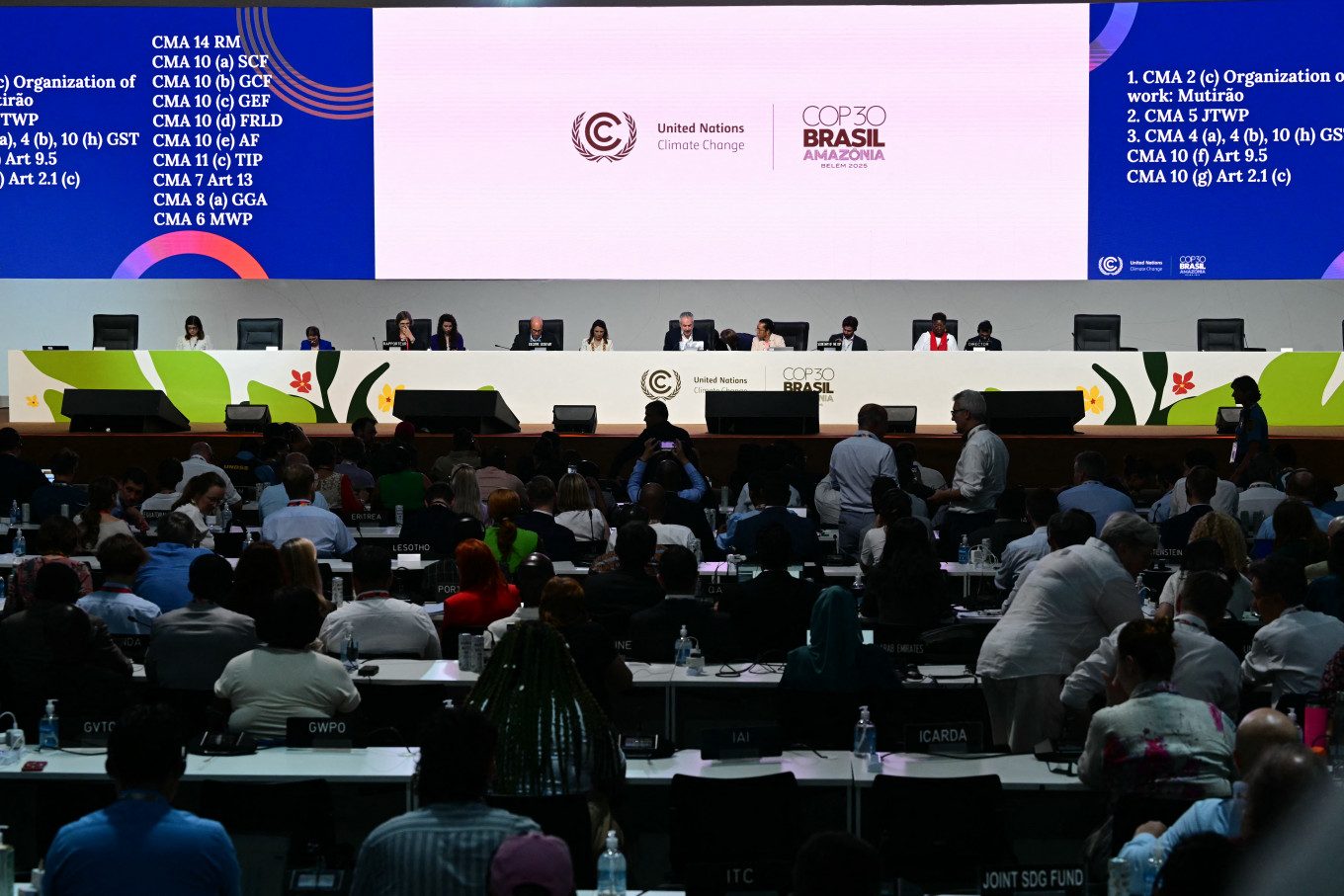 The plenary session meets at the COP30 United Nations Climate Change Conference in Belém, Para state, Brazil, on Nov. 22, 2025. (AFP/Pablo Porciuncula)
F
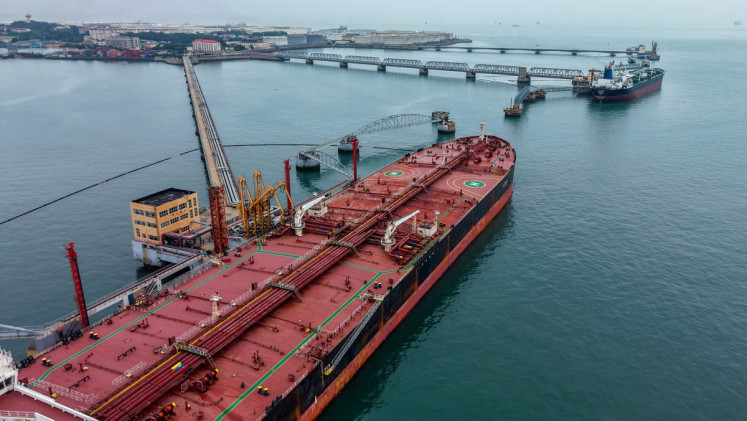
or more than two months, the conflict between Iran and the United States around the Strait of Hormuz has once again exposed an uncomfortable truth: the global energy system remains dangerously fragile. Every geopolitical tremor still sends shockwaves through oil prices, global supply chains and national economies, including Indonesia’s.
As a major importer of fuel and LPG, Indonesia continues to pay the price for a world addicted to fossil energy and its derivatives. Today, the conversation extends far beyond oil, gas and traditional energy security. It is about whether nations can survive, and lead, in an era where geopolitical conflict and the climate crisis actively reinforce one another.
The world should have learned its lesson after the COVID-19 pandemic crippled global logistics and exposed the vulnerabilities of hyperconnected economies. Yet only a few years later, the international community finds itself trapped in another systemic crisis. The irony is striking: while climate disasters intensify across the globe, the world still relies overwhelmingly on maritime oil routes vulnerable to geopolitical confrontation.
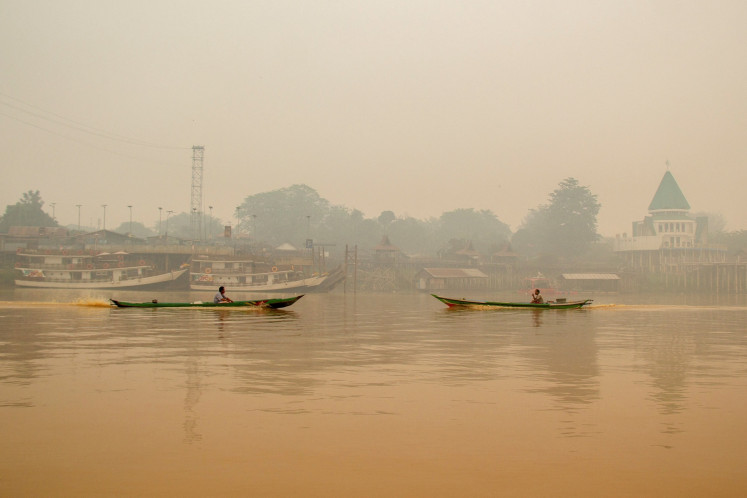
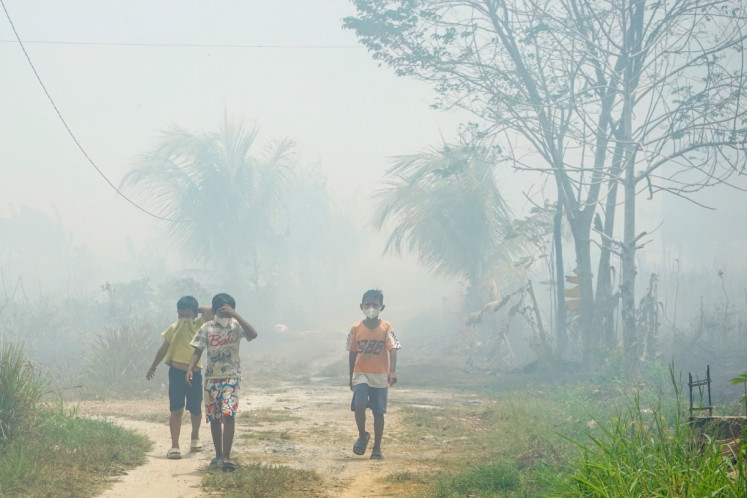
In 2024, global temperatures rose past the 1.5 degrees Celsius threshold for the first time in recorded history. In Indonesia, more than 3,000 natural disasters were recorded throughout 2025, the vast majority driven by hydrometeorological factors. The devastating floods triggered by Cyclone Senyar in northern Sumatra were not isolated tragedies. They were warnings.
The climate crisis is no longer a future threat; it is a present political and economic reality. Yet amid this turbulence lies a strategic paradox. Indonesia possesses one of the world’s greatest untapped energy transition potentials, but continues to behave diplomatically as though it were merely an observer rather than a decisive actor.
That posture must change.

Indonesia has all the ingredients required to become a major force in global energy and carbon diplomacy. The country possesses abundant fossil reserves, massive renewable energy potential exceeding 3,680 gigawatts and one of the world’s largest tropical forest and mangrove ecosystems, critical assets in the emerging carbon economy.