The Jakarta Post
Please Update your browser
Your browser is out of date, and may not be compatible with our website. A list of the most popular web browsers can be found below.
Just click on the icons to get to the download page.


Popular Reads
Top Results
No results found. Please check your search term and try again
Can't find what you're looking for?
View all search results
Popular Reads
Top Results
No results found. Please check your search term and try again
Can't find what you're looking for?
View all search resultsAnalysis: B50: Energy security at what cost?
Change text size
Gift Premium Articles
to Anyone
Share the best of The Jakarta Post with friends, family, or colleagues. As a subscriber, you can gift 3 to 5 articles each month that anyone can read—no subscription needed!
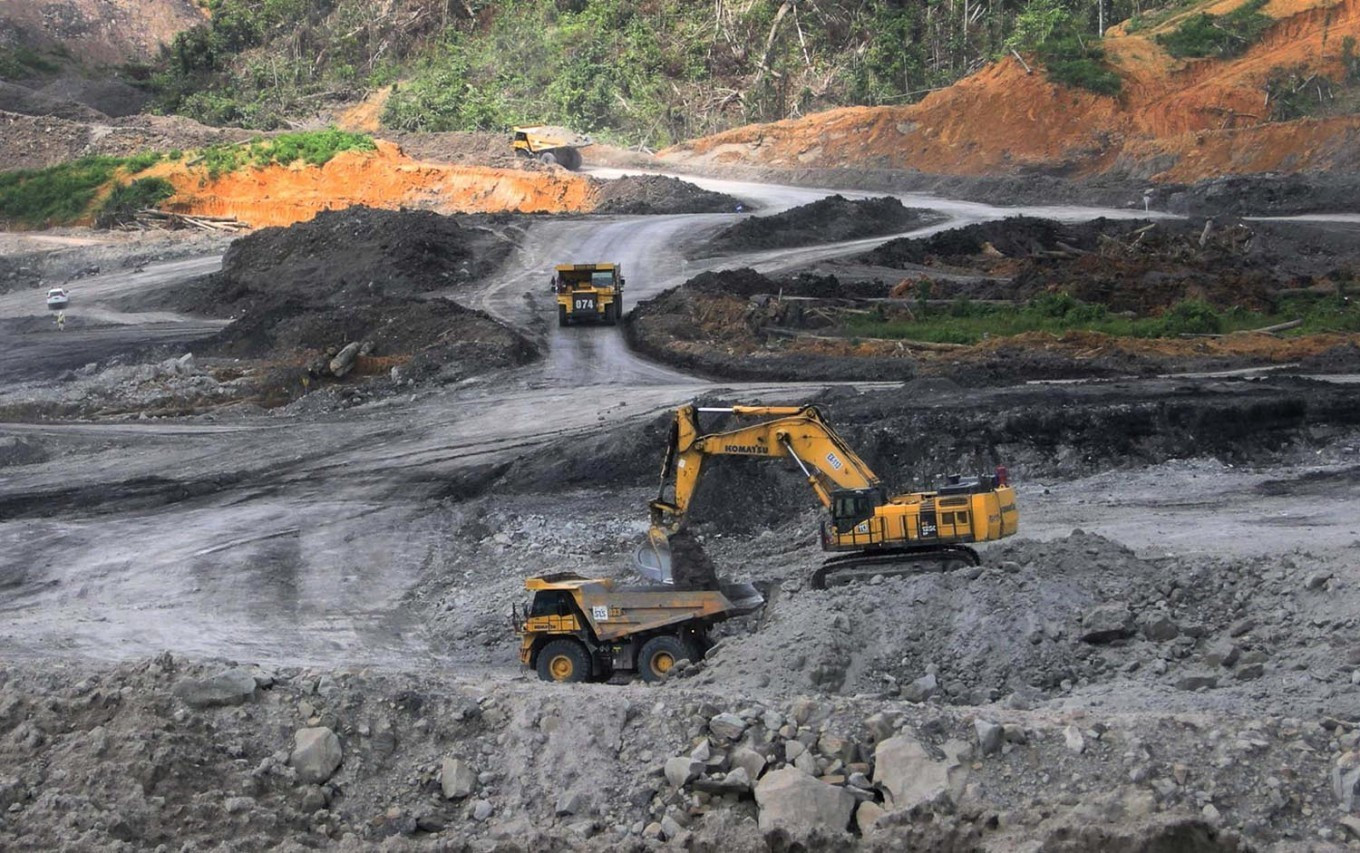 Heavy equipment is operated at a coal mine in East Kalimantan owned by PT Berau Coal in this undated photograph. (JP/Indra Harsaputra)
A
s geopolitical tensions expose Indonesia’s dependence on imported fuel, the government is accelerating its B50 biodiesel mandate to strengthen energy security. Yet the policy raises questions about feedstock availability, infrastructure readiness, fiscal costs and its potential impact on the palm oil industry, one of the country’s largest sources of export earnings.
The B50 program, which blends 50 percent palm oil-based biodiesel with 50 percent petroleum diesel, has undergone extensive testing since early 2025. As of April 2026, the government reported no major issues during road tests, with heavy-duty vehicles completing their 40,000-kilometer targets and lighter vehicles approaching 50,000 kilometers while maintaining engine and fuel system performance within manufacturers’ standards.
As a result, the mandatory B50 blend will take effect on July 1. The government’s confidence is driven by the substantial benefits it expects the program to deliver. Beyond reducing reliance on imported diesel, the Energy and Mineral Resources Ministry estimates that B50 could generate foreign exchange savings of up to Rp 157.28 trillion (US$8.7 billion), create more than 2.2 million jobs and reduce greenhouse gas emissions by 46.72 million tonnes of carbon dioxide in 2026.
Businesses and scholars, however, have expressed concerns. The Indonesian Young Bus Operators Association (IPOMI) argues that the main challenge lies not in engine technology but in fuel storage and distribution systems. The group warns that poor storage conditions could lead to filter blockages, higher maintenance costs and operational disruptions for commercial vehicles.
Similar concerns have been raised by Karna Wijaya, a professor at Gadjah Mada University, who notes that higher biodiesel blends may increase fuel consumption, accelerate component wear in older engines and generate broader economic pressures if implementation is not carefully managed.
The fiscal sustainability of B50 also deserves closer scrutiny. A study by Transisi Bersih found that Indonesia’s biodiesel mandate generated a cumulative negative net economic impact of more than Rp 409.6 trillion between 2015 and 2024, largely due to rising biodiesel subsidies and lost crude palm oil (CPO) export revenues. According to the study, every rupiah saved from reduced diesel imports was accompanied by approximately Rp 1.48 in costs from foregone CPO exports and subsidy support.

The report further estimates that implementing B50 could require around 19 million tonnes of CPO, equivalent to 36 percent of national production, and potentially reduce palm oil exports by as much as 43 percent compared with 2022 levels. These findings suggest that the debate over B50 is not merely about energy security, but whether the fiscal and economic trade-offs of expanding the mandate can be justified over the long term.