The Jakarta Post
Please Update your browser
Your browser is out of date, and may not be compatible with our website. A list of the most popular web browsers can be found below.
Just click on the icons to get to the download page.


Popular Reads
Top Results
No results found. Please check your search term and try again
Can't find what you're looking for?
View all search results
Popular Reads
Top Results
No results found. Please check your search term and try again
Can't find what you're looking for?
View all search resultsPolice’s second chance
By reopening the investigation into Andrie Yunus's acid attack, the National Police have a rare, unmissable chance to tear down a culture of impunity and finally restore their shattered credibility.
Change text size
Gift Premium Articles
to Anyone
Share the best of The Jakarta Post with friends, family, or colleagues. As a subscriber, you can gift 3 to 5 articles each month that anyone can read—no subscription needed!
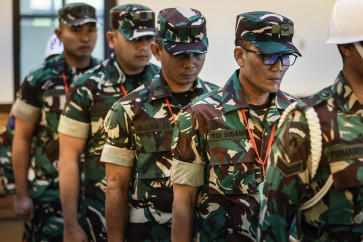
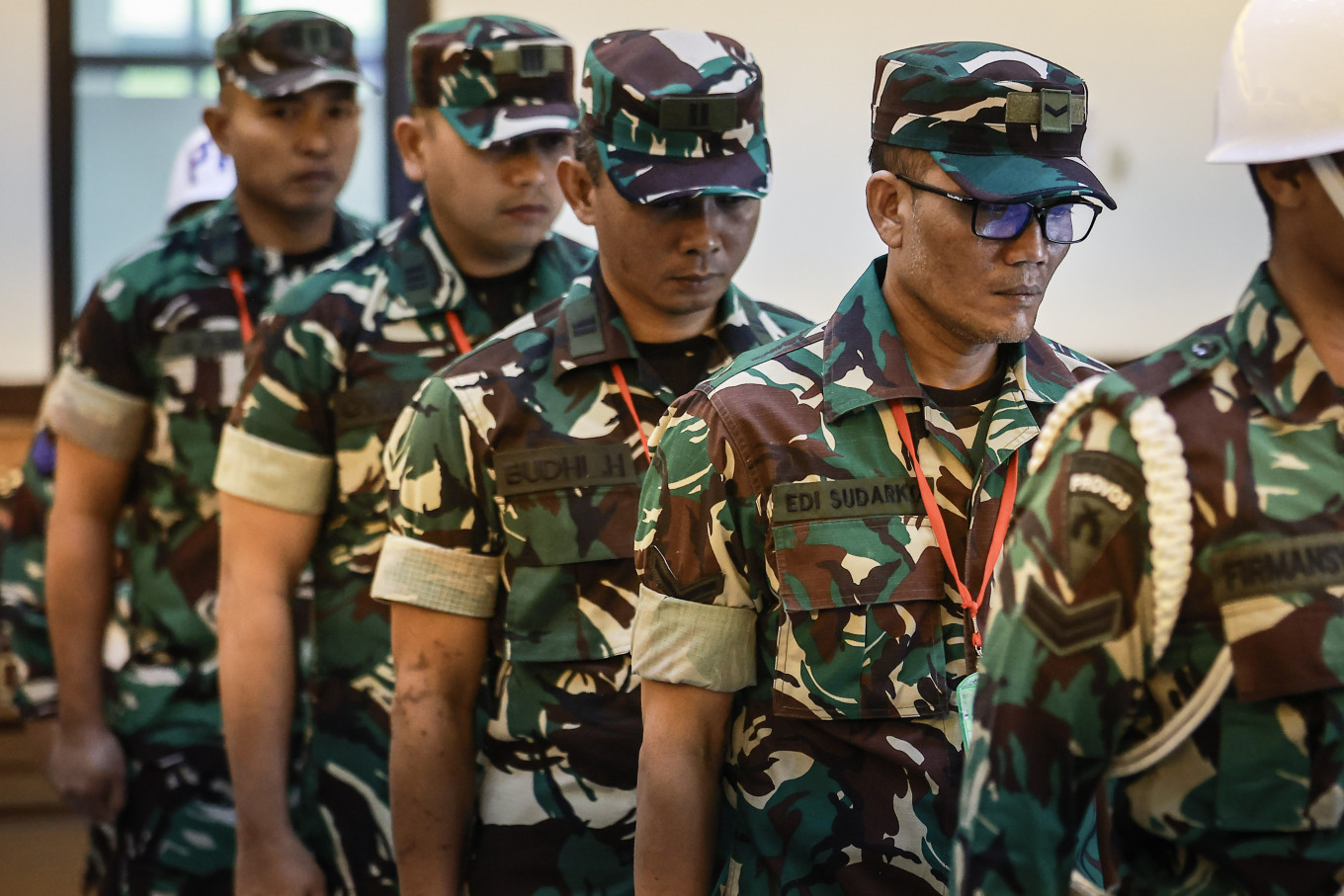 Defendants in the case of the acid attack on KontraS activist Andrie Yunus, Sgt. Edi Sudarko (from right), 2nd Lt. Budhi Hariyanto Cahyono, Capt. Nandala Dwi Prasetya and 2nd Lt. Sami Lakka, attend a hearing for the reading of prosecutors' sentencing demands at Military Court II-08 in Jakarta on June 3, 2026. Military prosecutors sought prison sentences of two years and six months for each defendant, arguing they were proven guilty of committing the offense. (Antara/Dhemas Reviyanto)
T
he ruling from the South Jakarta District Court ordering the National Police to reopen their investigation into the acid attack on rights activist Andrie Yunus is more than just a procedural victory. It is a moment of truth, especially for a law enforcement agency facing a chronic trust deficit.
For an institution whose public image has been severely battered by persistent scandals, ranging from deep-seated corruption and brazen abuses of power to an entrenched culture of violence, the court order is a rare lifeline. It is an opportunity the police cannot afford to miss to rebuild its broken relationship with the public.
We have seen this script play out way too many times: A powerful state actor gets caught doing something dirty, the paperwork gets shuffled around, jurisdictions get tangled up and the whole thing quietly fades away.
That is exactly why it felt so predictable when Andrie’s case was handed over to the Military Police. To anyone watching, it looked like a textbook move to bury the truth in military red tape. And those suspicions only got worse when military prosecutors asked for a mere two and a half years for the four Strategic Intelligence Agency (BAIS) agents involved, without even recommending their dismissal from service.
The police should never have transferred the case to military investigators in the first place. Throwing acid on a civilian is a general crime, plain and simple, not a military offense. When the military gets to investigate, prosecute and judge its own people for attacks on civilians, it creates a conflict of interest. It completely undermines the idea that everyone is equal before the law, a principle that is supposed to be the bedrock of our democracy.
If the police want to show that they are a modern, accountable law enforcement agency and not just protectors of the status quo, they must embrace this civilian probe with absolute transparency. The investigation specifically needs to pursue the independent findings submitted by the Advocacy Team for Democracy (TAUD), a coalition of civil society groups that filed a pretrial motion against the Jakarta Police for transferring the investigation into the acid attack to the Military Police.

The findings suggest that the attack was not just a random act of malice by four rogue military personnel. TAUD also discovered the assault on Andrie was a coordinated operation involving higher-ranking officers, the "intellectual actors" who pulled the strings from the shadows.