The Jakarta Post
Please Update your browser
Your browser is out of date, and may not be compatible with our website. A list of the most popular web browsers can be found below.
Just click on the icons to get to the download page.


Popular Reads
Top Results
No results found. Please check your search term and try again
Can't find what you're looking for?
View all search results
Popular Reads
Top Results
No results found. Please check your search term and try again
Can't find what you're looking for?
View all search resultsReforming the free meals program: A hard choice between purpose and political specter
The crisis surrounding the government's flagship free meals program urges a fundamental rethink: restore the program's original focus as an anti-stunting intervention for vulnerable groups or maintain the current, unsustainable model of a universal feeding program that leaves it open to rent seeking.
Change text size
Gift Premium Articles
to Anyone
Share the best of The Jakarta Post with friends, family, or colleagues. As a subscriber, you can gift 3 to 5 articles each month that anyone can read—no subscription needed!
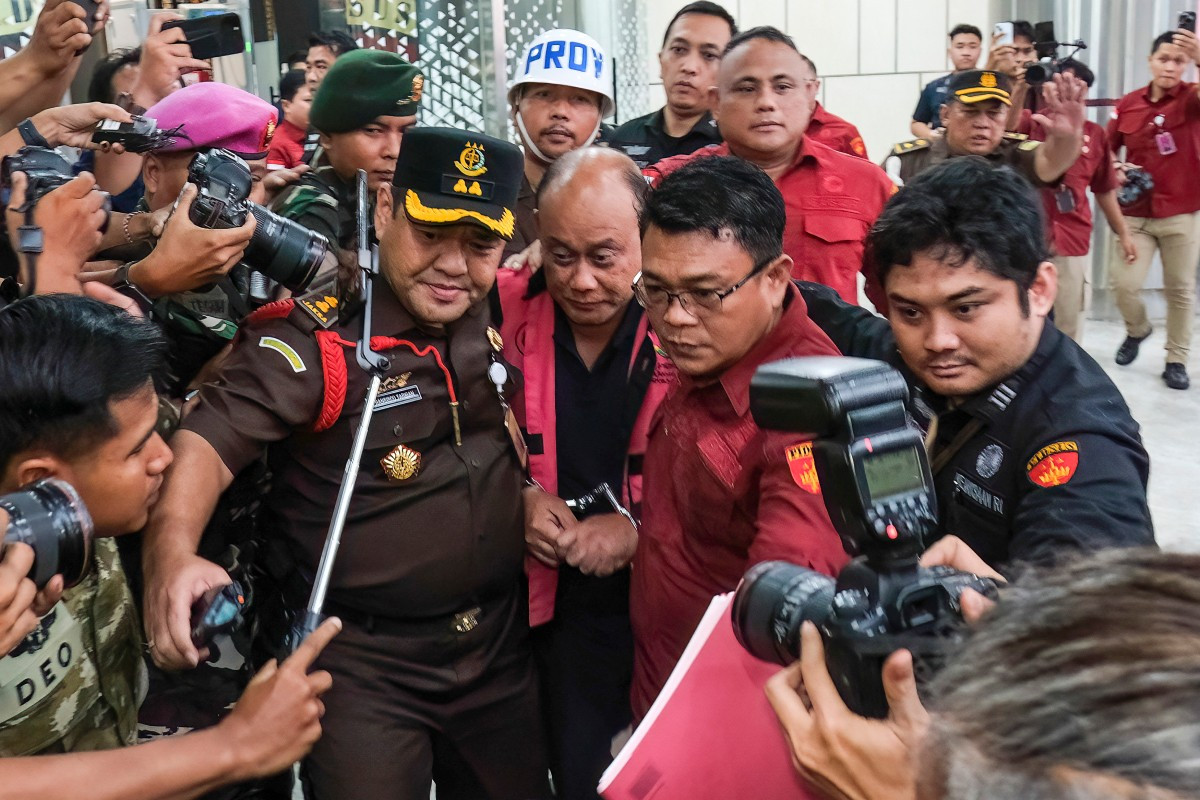 Personnel from the Attorney General's Office (AGO) and the Indonesian Military (TNI) escort Dadan Hindayana (center, in pink vest), the former head of the National Nutrition Agency (BGN) and a suspect in the graft case pertaining to the free nutritious meal program, out of the AGO in South Jakarta on June 3, 2026. (AFP/Bay Ismoyo)
T
he political and institutional upheaval that recently hit the National Nutrition Agency (BGN) has exposed a deeper crisis within the free nutritious meal (MBG) program, one of President Prabowo Subianto’s flagship initiatives. The dismissal of BGN chief Dadan Hindayana and his two deputies, followed by their implication in corrupt practices, signals that the free meals program has entered a dangerous phase.
What was originally promoted as a transformative policy to address malnutrition and build the country’s future human capital is now facing mounting questions over governance, accountability and fiscal sustainability. Behind the powerful symbolism of feeding millions of schoolchildren is a program increasingly detached from the scientific rationale that justified its creation.
Any serious assessment of the free meals program must begin with the simple fact that it was originally associated with the fight against stunting. Yet stunting prevention is fundamentally different from a universal feeding scheme. The former is a highly targeted health intervention that must occur during the first 1,000 days of life, from pregnancy until a child reaches 2 years of age.
The program’s transformation from a targeted anti-stunting intervention into a school feeding program reflects more than a policy adjustment: It represents a shift from a health-centered strategy toward a politically attractive mass distribution program.
Unlike targeted nutrition support for pregnant women and infants, which has been running with hardly any media fanfare, the distribution of school meals generates visible political impact. Millions of beneficiaries, daily meal deliveries and extensive public exposure create a powerful political narrative. But this visibility comes at a significant cost.
As the program expanded, so did its budget and its political attractiveness. The establishment of nutritional fulfillment service units (SPPG), the program’s designated kitchens, created new economic opportunities at the local level. Each facility was promised substantial operational incentives, turning permits and management contracts into highly sought-after assets.

Predictably, this environment encouraged rent-seeking behavior. Reports emerged from several regions about fraudulent sales of SPPG permits and alleged financial losses amounting to billions of rupiah. Instead of functioning solely as a social welfare instrument, parts of the program increasingly became embedded within local patronage networks.