The Jakarta Post
Please Update your browser
Your browser is out of date, and may not be compatible with our website. A list of the most popular web browsers can be found below.
Just click on the icons to get to the download page.


Popular Reads
Top Results
No results found. Please check your search term and try again
Can't find what you're looking for?
View all search results
Popular Reads
Top Results
No results found. Please check your search term and try again
Can't find what you're looking for?
View all search resultsLearning from the Chilean paradox: Protecting Indonesia’s middle class
While Indonesia's macroeconomic growth may appear reassuring on paper, it would do well to take a close look at the country's current trajectory in parallel with Chile's experience since 2019 to avoid creating an increasingly fragile middle class.
Change text size
Gift Premium Articles
to Anyone
Share the best of The Jakarta Post with friends, family, or colleagues. As a subscriber, you can gift 3 to 5 articles each month that anyone can read—no subscription needed!
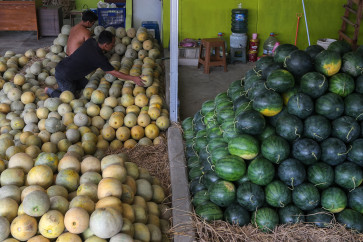
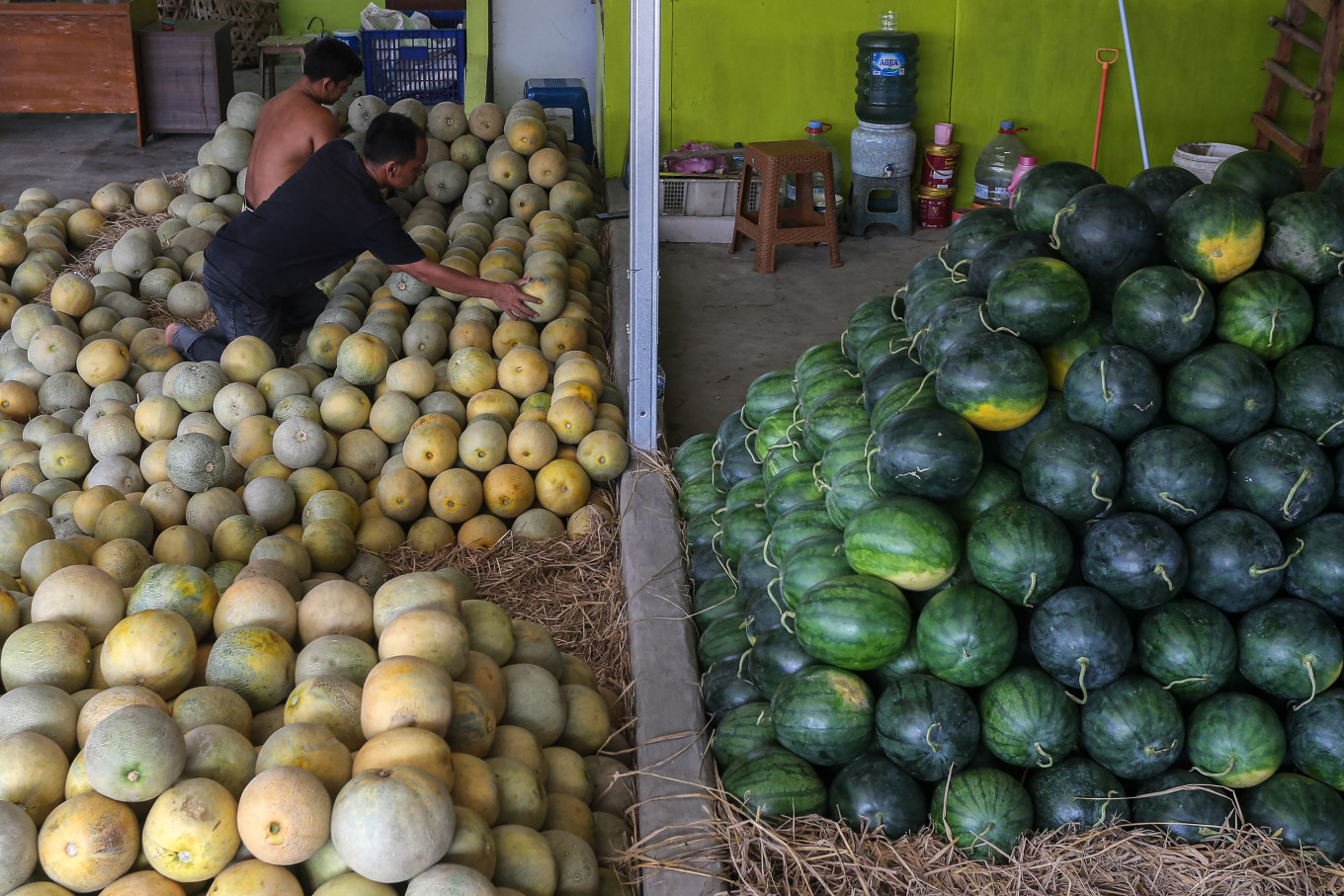 Workers arrange melons on Oct. 3, 2025, at Rau Market in Serang, Banten. (Antara/Angga Budhiyanto)
B
y the middle of 2026, Indonesia’s economy still looked reassuring on paper. Statistics Indonesia (BPS) reported first-quarter growth of 5.61 percent, while June inflation stood at a manageable 3.34 percent. Yet a contrasting set of numbers soon arrived to cloud the horizon. The manufacturing Purchasing Managers’ Index (PMI) contracted from 50.0 in May to 46.9 in June, while Bank Indonesia’s July consumer survey showed confidence slipping from 120.9 to 117.8.
These data do not point to an impending crisis; far from it. However, it should not be waved away. An economy can remain structurally stable even as individual families begin to feel less secure, and that psychological gap fundamentally alters how people spend, borrow and plan for the future.
The middle class lives entirely within this gap. Most households in this bracket earn too much to qualify for government assistance, yet remain just one job loss, major illness or school tuition away from financial distress. While they may appear comfortable from the outside, their household balance sheets often tell a far more fragile story.
According to BPS, the country’s middle class shrank from 57.33 million people in 2019 to 47.85 million in 2024. Together with the “aspiring middle class”, this cohort accounts for 66.35 percent of the population and drives a massive 81.49 percent of household consumption. When this group hesitates, the rest of the national economy immediately feels the chill.
While job growth has continued and unemployment fell to 4.68 percent in February, the average monthly wage remained a modest Rp 3.29 million (US$182). The primary question facing the economy is not merely whether work exists, but whether that work pays well enough and lasts long enough for a family to build a stable life around it.
Simultaneously, financial pressure is mounting from multiple directions.

Bank Indonesia’s benchmark interest rate (BI-Rate) reached 5.75 percent in June, driving up the cost of credit. Meanwhile, the baseline expenses for education, housing, transport and health care continue to climb.