The Jakarta Post
Please Update your browser
Your browser is out of date, and may not be compatible with our website. A list of the most popular web browsers can be found below.
Just click on the icons to get to the download page.


Popular Reads
Top Results
No results found. Please check your search term and try again
Can't find what you're looking for?
View all search results
Popular Reads
Top Results
No results found. Please check your search term and try again
Can't find what you're looking for?
View all search resultsAnalysis: Russian oil imports put Indonesia in sanctions crosshairs
Change text size
Gift Premium Articles
to Anyone
Share the best of The Jakarta Post with friends, family, or colleagues. As a subscriber, you can gift 3 to 5 articles each month that anyone can read—no subscription needed!
 Set as preferred source
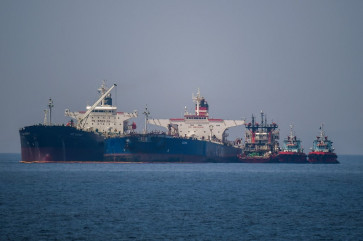
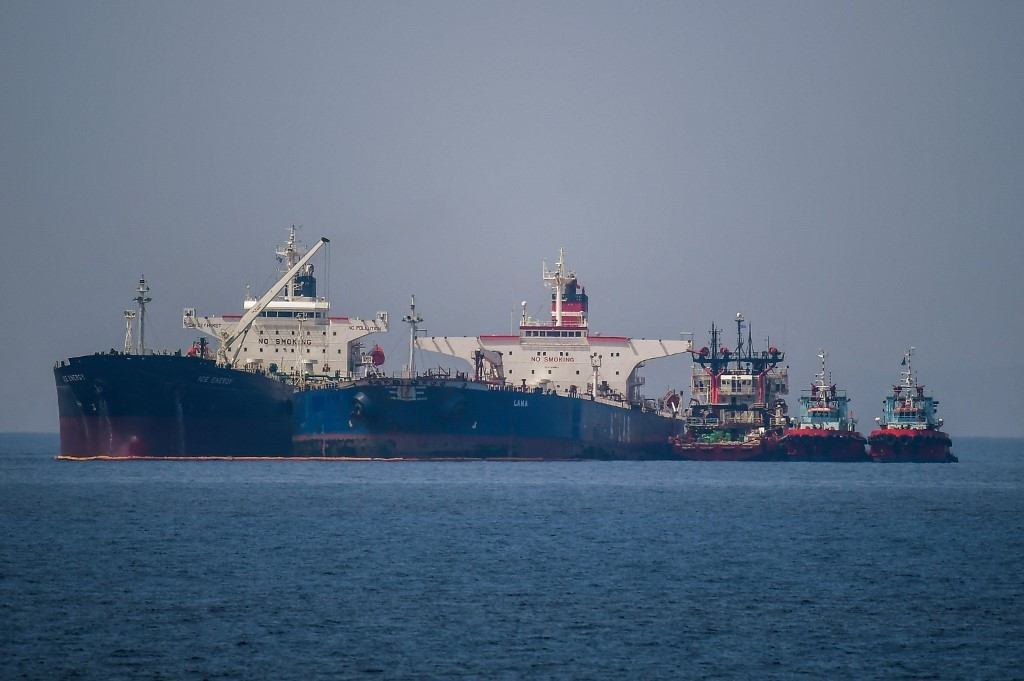 The Liberian-flagged oil tanker Ice Energy (left) transfers crude oil from the Russian-flagged oil tanker Lana (second left) on May 29, 2022, in the waters off Karystos on the Greek island of Euboea, also known as Evia (AFP/Angelos Tzortzinis)
I
ndonesia's import of Russian crude oil, marked by the arrival of Eastern Siberia–Pacific Ocean (ESPO) crude at Lawe-Lawe Port in East Kalimantan on June 28, signals a significant shift in the country's energy sourcing strategy. But the move also raises questions over whether state-owned oil and gas company Pertamina could be perceived as circumventing Western sanctions on Russia, a risk the government appears largely unfazed by.
Energy and Mineral Resources Minister Bahlil Lahadalia confirmed that Russian crude had been imported via the Oil and Gas Testing Center (Lemigas) to strengthen national fuel reserves amid the global energy instability. He said the ministry was unconcerned about the origin of oil imports as long as the transaction complied with the law. Bahlil also said the Russian crude was purchased at a price below prevailing market rates, though he did not say by how much.
The government has authorized Lemigas, a public service agency (BLU) under the energy ministry, to import energy commodities. While the decision appears to have been driven by energy supply concerns following shipping disruptions in the Strait of Hormuz due the United States-Israeli war on Iran, the move risks being perceived as an attempt to circumvent international sanctions on Russia.
The energy ministry previously acknowledged that empowering Lemigas to import energy commodities was partly intended to address restrictions faced by Pertamina. The state energy company has issued global bonds in the United States that include commitments to avoid involvement in illicit oil transactions, which also applies to purchases of Russian crude that could violate sanctions imposed by the US and its allies.
The plan to import Russian crude dates back to April, when Hashim Djojohadikusumo, President Prabowo Subianto's younger brother and special envoy on energy and environment, said Indonesia had secured a commitment for 150 million barrels of crude oil.
Energy and Mineral Resources Deputy Minister Yuliot Tanjung later explained that crude from Russia would be shipped under the “Indonesia blend” scheme that combines the commodity from multiple suppliers. He added that the energy imports would serve as part of the country's strategic reserves.

The Cameroonian-flagged tanker Sierra eventually reached Lawe-Lawe on June 28, two days later than its scheduled arrival on June 26, after remaining in limbo off Sulawesi because it was denied permission to unload at PT Kilang Pertamina Balikpapan's single point mooring (SPM). According to data from ship tracker MarineTraffic, the Sierra departed East Kalimantan on June 30 bound for Vladivostok, Russia.