The Jakarta Post
Please Update your browser
Your browser is out of date, and may not be compatible with our website. A list of the most popular web browsers can be found below.
Just click on the icons to get to the download page.


Popular Reads
Top Results
No results found. Please check your search term and try again
Can't find what you're looking for?
View all search results
Popular Reads
Top Results
No results found. Please check your search term and try again
Can't find what you're looking for?
View all search resultsWhen identity becomes a security threat, and citizenship conditional
Democracy does not require citizens to think alike. But it requires something more fundamental: disagreement cannot become a justification for denying equal citizenship.
Change text size
Gift Premium Articles
to Anyone
Share the best of The Jakarta Post with friends, family, or colleagues. As a subscriber, you can gift 3 to 5 articles each month that anyone can read—no subscription needed!
 Set as preferred source
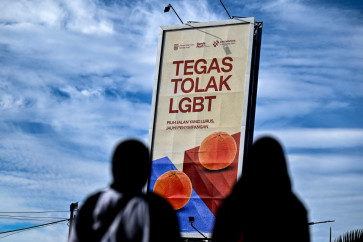
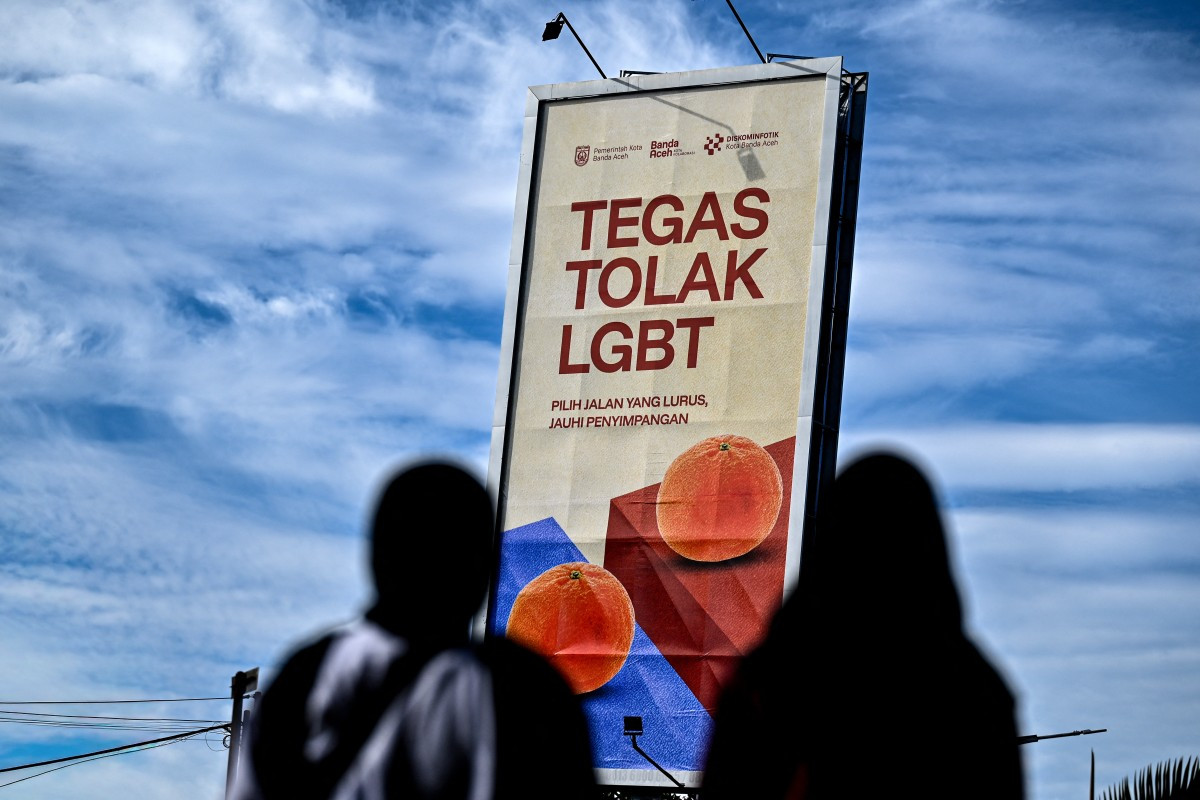 Pedestrians walk past a billboard that reads “Firmly reject LGBT“on July 27 in Banda Aceh, Aceh. Anti-LGBT sentiment is rising in Indonesia, with claims that food, vaccines and drugs can affect one's sexual orientation circulating online. (AFP/Chaideer Mahyuddin)
T
he growing hostility toward transgender Indonesians and the broader LGBT community is often farmed as a debate about morality, culture or social values. In a plural society, disagreement is inevitable. Indonesians will continue to hold different religious, cultural and moral perspectives. Democracy does not require citizens to think alike. But it requires something more fundamental: disagreement cannot become a justification for denying equal citizenship.
The concern today is not simply that prejudice exists, but when it becomes embedded in public institutions, policies and official narratives. Recent harassment against LGBT students in Indonesia, restrictions on discussions on gender and sexuality and hostile public rhetoric, show that stigma is no longer confined to private beliefs; it is shaping whose identities are recognized as legitimate.
For Indonesian transgender women in particular, this is not an abstract concern. In the last 20 years, civil society organizations have documented persistent patterns of harassment, arbitrary raids, discrimination and violence. Public humiliation, physical abuse and mob attacks demonstrate how social stigma can translate into violations of dignity, bodily integrity and personal security.
These are not merely expressions of social disagreement. They raise fundamental human rights concerns. The most troubling development, however, is the emergence of a national security narrative around LGBT issues.
Indonesia’s inclusion of the “promotion of LGBT culture” as a non-military threat in its national defense policy marks a significant shift in how the sate defines security. The government has argued that the policy does not criminalize LGBT individuals. That clarification matters. Yet the deeper concern is the political meaning of placing an identity-based social issue within a national defense framework.
A modern security doctrine must distinguish between genuine threats to the state and differences within society. Indonesia faces serious security challenges, including terrorism, transnational crime, corruption, environmental destruction, cyber threats and digital manipulation. These are issues that directly affect national resilience and human security.

But expanding the concept of security cannot mean treating social identities as threats. Communities that do not endanger sovereignty, public safety or social stability should not become objects of state suspicion. A democratic security framework requires clear boundaries. Without them, the language of threat can transform citizens from rights holders into subjects of regulation and control.