The Jakarta Post
Please Update your browser
Your browser is out of date, and may not be compatible with our website. A list of the most popular web browsers can be found below.
Just click on the icons to get to the download page.


Popular Reads
Top Results
No results found. Please check your search term and try again
Can't find what you're looking for?
View all search results
Popular Reads
Top Results
No results found. Please check your search term and try again
Can't find what you're looking for?
View all search resultsA well-intentioned budget
Facing tumbling approval ratings and economic pushback, President Prabowo Subianto pivots to fiscal discipline in his latest budget—but delivering on his ambitious promises will be the real test.
Change text size
Gift Premium Articles
to Anyone
Share the best of The Jakarta Post with friends, family, or colleagues. As a subscriber, you can gift 3 to 5 articles each month that anyone can read—no subscription needed!
 Set as preferred source
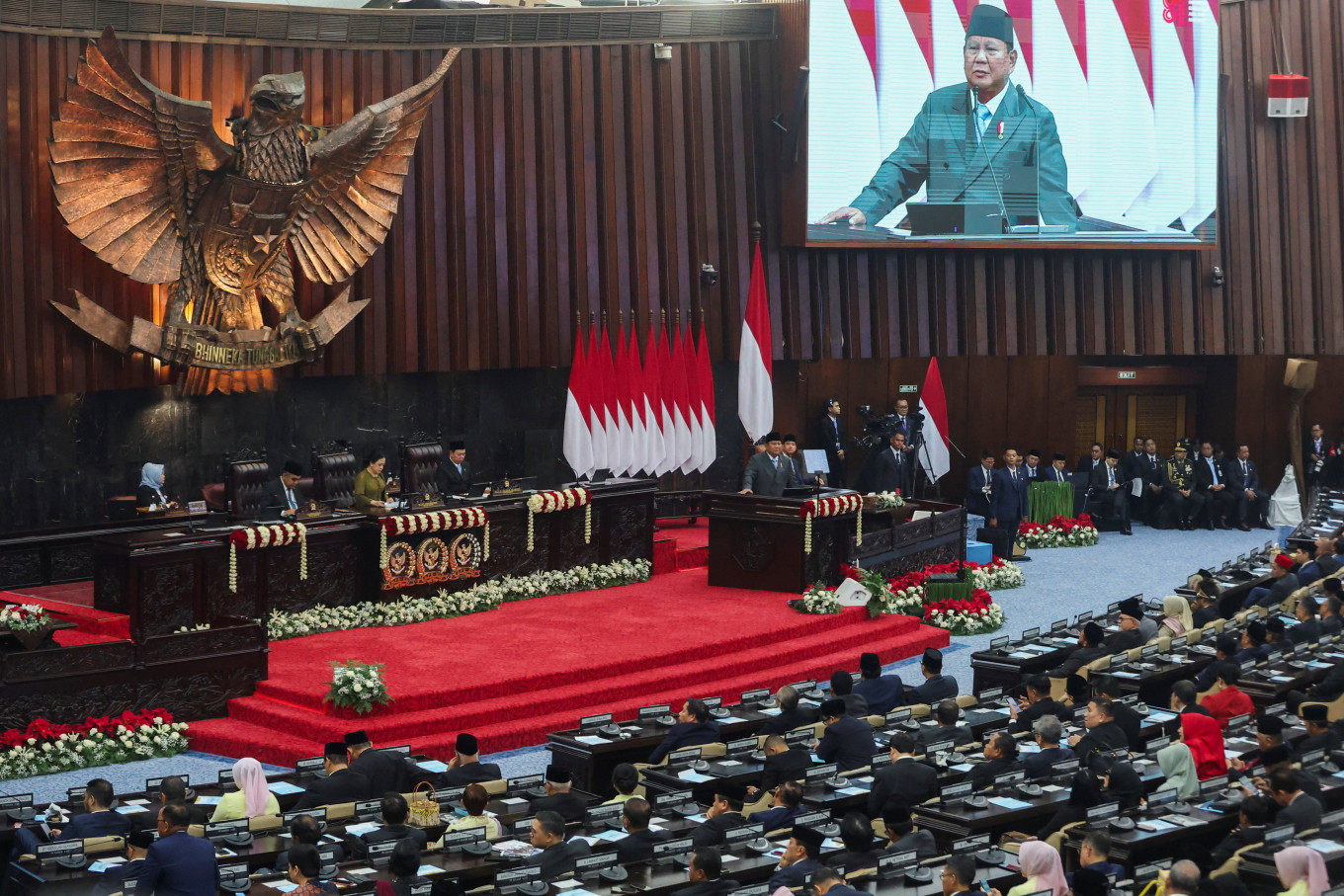 Indonesian President Prabowo Subianto delivers his annual state of nation address in front of members of the legislature, ahead of the country's 81st Independence Day anniversary, on Aug. 14 in Jakarta. (Reuters/Stringer)
A
year after his last state budget address sent approval ratings tumbling, sparking backlash over regional transfer cuts and leadership shake-ups at key economic institutions — including the Finance Ministry, the Financial Services Authority (OJK) and Bank Indonesia — President Prabowo Subianto is pivoting to what looks like the right track.
On Aug. 14, the President proposed a conservative budget deficit of 2.4 percent of gross domestic product (GDP) for next year. That figure marks a notable retreat from this year’s projected deficit of 2.85 percent, directly addressing market anxiety that his appetite for ambitious state spending might breach the legally mandated 3 percent ceiling.
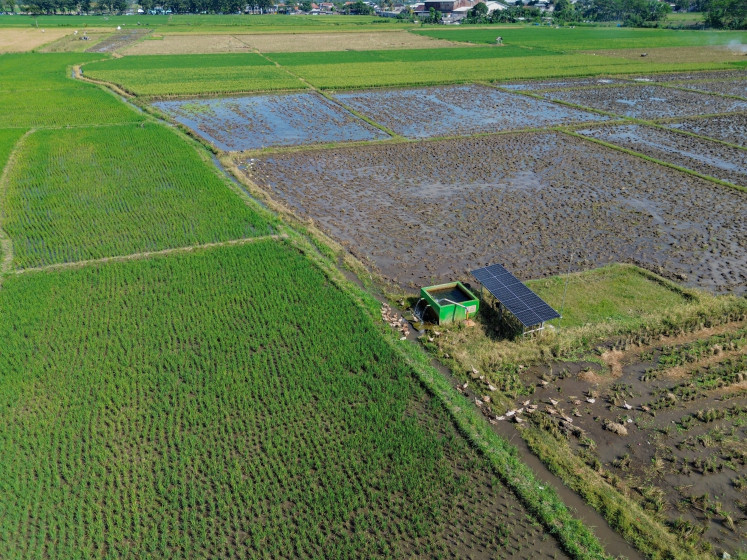
Beyond deficit control, the administration has placed a clear emphasis on targeted structural priorities: optimizing state-owned enterprise (SOE) assets through public-private partnerships, establishing a domestic electric motorcycle ecosystem to accelerate industrial development and building 100 gigawatts of solar power capacity to breathe fresh momentum into the country's lagging energy transition.
This strategic shift represents a sharp departure from last year’s spending priorities, which leaned heavily on defense outlays and controversial flagship programs. Among them was the free nutritious meal program—an initiative later plagued by corruption allegations and widespread food poisoning incidents—as well as the ambiguous business framework of the Red and White Village Cooperatives.
Reflecting a more cautious posture, the government has capped next year’s free meals allocation at Rp 240 trillion (US$13.5 billion). While substantial, this remains well below the initial Rp 335 trillion earmarked for this year, a figure that was repeatedly pared down to Rp 229 trillion following intense public scrutiny.
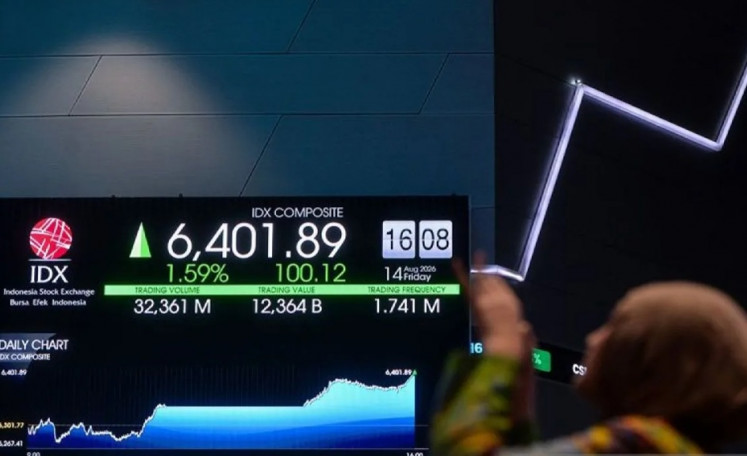
Financial markets offered an immediate vote of confidence, with the rupiah gaining ground and the Jakarta composite index rallying as the President delivered his address on Friday.

Yet an appealing budget on paper is only as effective as its eventual execution. The central question remains whether the administration can maintain fiscal discipline and follow through on these initiatives without destabilizing the broader macroeconomy amid volatile global geopolitical conditions.