The Jakarta Post
Please Update your browser
Your browser is out of date, and may not be compatible with our website. A list of the most popular web browsers can be found below.
Just click on the icons to get to the download page.


Popular Reads
Top Results
No results found. Please check your search term and try again
Can't find what you're looking for?
View all search results
Popular Reads
Top Results
No results found. Please check your search term and try again
Can't find what you're looking for?
View all search resultsRural cooperatives shatter the dream of inclusive development
A single top-down mandate is draining Indonesia’s village coffers for state cooperatives, gutting the local budgets that keep maternal clinics running, malnourished children fed and grassroots democracy alive.
Change text size
Gift Premium Articles
to Anyone
Share the best of The Jakarta Post with friends, family, or colleagues. As a subscriber, you can gift 3 to 5 articles each month that anyone can read—no subscription needed!
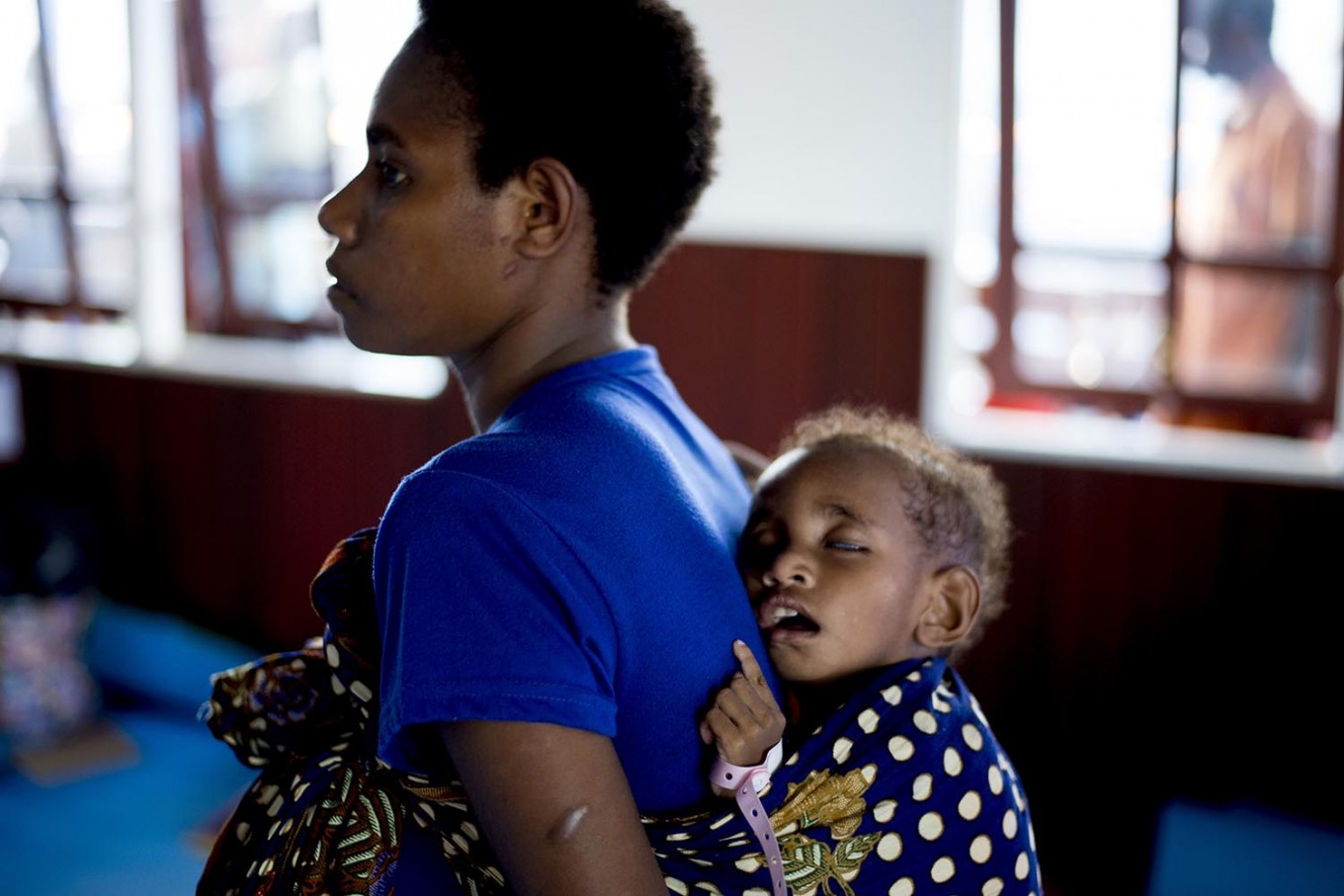 A Papuan mother carries her sleeping child on her back on Jan. 25, 2018, at a temporary hospital handling measles and malnutrition patients in Agats, the capital of Asmat district in Indonesia's easternmost Papua province. Some 800 children have been sickened by a measles-and-malnutrition outbreak in Indonesia's remote Papua province, officials said Jan. 25, with as many as 100 people, mostly toddlers, feared to have been killed in the outbreak. AFP/ Bay Ismoyo (AFP/Bay Ismoyo)
A
nationwide mandate cutting the village fund to finance the Red and White Village Cooperatives program marks a sharp retreat from local autonomy across the country.
Under Finance Ministry Regulation (PMK) No. 7/2026, out of the total village fund ceiling of Rp 60.57 trillion (US$3.44 bilion), approximately Rp 34.57 trillion or 58.03 percent is earmarked to establish and run these rural cooperatives. The funding is tied directly to brick-and-mortar developments - distribution outlets, warehouses, cold storage units and construction loan installments serviced through state-owned banks.
This leaves villages with only around Rp 26 trillion in regular, village-managed funds. On average, each village faces an annual budget cut of Rp 500 million to Rp 600 million to service these program installments.
With the remaining funds, villages must still cover operations, infrastructure development, public services and community empowerment - agendas that are now at severe risk of neglect. The retained funding barely covers village officials' honoraria and routine administrative costs, leaving virtually no resources to implement community programs, basic services or local priority projects.
Long before the introduction of the cooperatives program, local planning was a cornerstone in setting village development priorities. Since 2015, villages have held the authority to plan and manage their own initiatives. This planning framework was explicitly designed to guarantee community participation; for instance, Law No. 6/2014 on Villages mandates that village development planning involve the community through consultative deliberations (musyawarah desa).
Building on this statutory mandate, Villages and Development of Disadvantaged Regions Ministry Regulation No. 21/2020 established guidelines for rural development and empowerment that are inclusive, gender-responsive and attentive to the needs of vulnerable groups.

Efforts to cultivate participatory, inclusive planning have gained ground nationwide, including in Eastern Indonesia. A prime example is the Program to Increase Public Access to Basic Health and Education Services in the Papua Region (LANDASAN).