The Jakarta Post
Please Update your browser
Your browser is out of date, and may not be compatible with our website. A list of the most popular web browsers can be found below.
Just click on the icons to get to the download page.


Popular Reads
Top Results
No results found. Please check your search term and try again
Can't find what you're looking for?
View all search results
Popular Reads
Top Results
No results found. Please check your search term and try again
Can't find what you're looking for?
View all search resultsFrom Vladivostok to Gunungkidul: Indonesia must export skills, not just workers
If Indonesia wants its global diplomacy to truly pay off, it must stop sending cheap labor into the shadows and start exporting certified talent the world will actually invest in.
Change text size
Gift Premium Articles
to Anyone
Share the best of The Jakarta Post with friends, family, or colleagues. As a subscriber, you can gift 3 to 5 articles each month that anyone can read—no subscription needed!
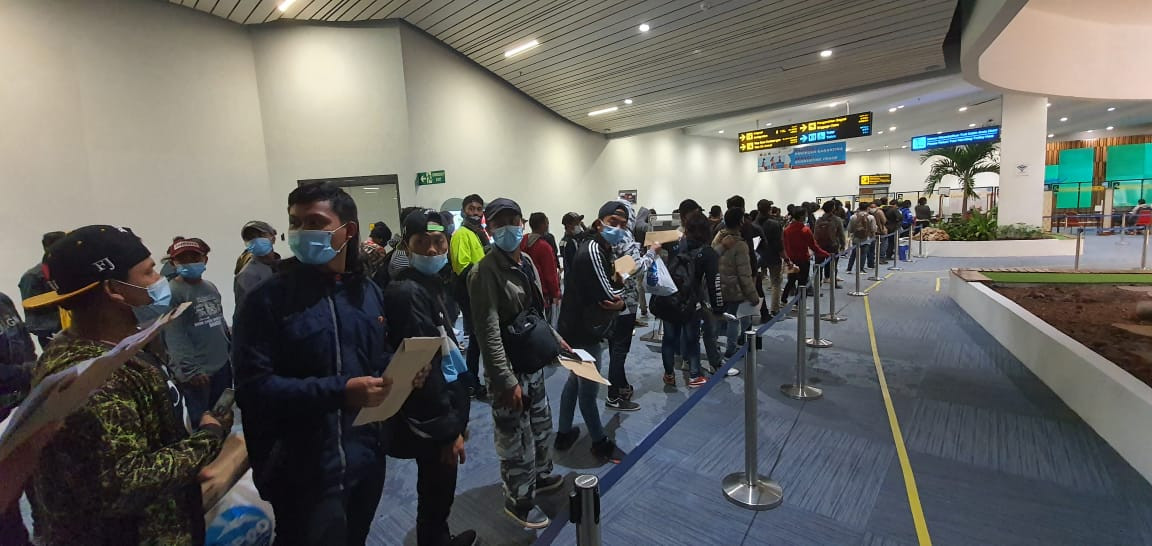 Indonesian seafarers line up for immigration clearance following their arrival at Soekarno-Hatta International Airport in Tangerang, Banten, on June 16, 2021. (Courtesy of the Foreign Ministry/-)
P
resident Prabowo Subianto’s arrival in Vladivostok as President Vladimir Putin’s guest of honor at the 11th Eastern Economic Forum is just the latest stop in a relentless diplomatic sprint.
Since taking office in October 2024, Prabowo has spanned four continents, working rooms from ASEAN to BRICS. The backdrops change, but the core pitch rarely does: trade deals, foreign investment, energy and food security, defense cooperation and securing Indonesia’s footing in a fracturing world order.
Yet amidst all the talk of capital and commodities, one vital economic asset remains largely sidelined: people.
To see why that matters, look past the grand halls of Vladivostok to the dry hills of Gunungkidul regency in Yogyakarta. That is where Slamet, a 35-year-old father drowned in debt, made the desperate choice to enter Taiwan on a tourist visa and slip into the undocumented workforce.
When he died alone in a rented room, his grieving family was handed a crushing Rp 150 million (US$8,500) bill just to bring his body home. Slamet’s tragedy exposes the brutal reality of our domestic labor market: when decent work dries up at home, people don’t simply sit idle. They take harrowing gambles abroad, turning a local lack of opportunity into personal heartbreak.
Even in industries where Indonesia holds natural strengths, we consistently sell ourselves short. Take the maritime sector. Over 260,000 Indonesian seafarers work abroad, but more than 200,000 are concentrated in low-wage fishing boats rather than higher-margin segments like cruise liners, tugs, or commercial tankers. The vast majority serve as deckhands, rarely as licensed officers.

Compare that to the Philippines, which supplies over 14 percent of the global merchant fleet’s crew thanks to deliberate state backing and an institutionalized training pipeline. While Manila exports certified professionals, Jakarta still mostly supplies cheap deck labor.