The Jakarta Post
Please Update your browser
Your browser is out of date, and may not be compatible with our website. A list of the most popular web browsers can be found below.
Just click on the icons to get to the download page.


Popular Reads
Top Results
No results found. Please check your search term and try again
Can't find what you're looking for?
View all search results
Popular Reads
Top Results
No results found. Please check your search term and try again
Can't find what you're looking for?
View all search resultsNo industrial off-takers, no 100 GW solar
Indonesia’s 100-gigawatt solar dream won’t fail for lack of sunlight, but for lack of buyers—unless the country connects its mineral downstreaming to the national grid.
Change text size
Gift Premium Articles
to Anyone
Share the best of The Jakarta Post with friends, family, or colleagues. As a subscriber, you can gift 3 to 5 articles each month that anyone can read—no subscription needed!
 Set as preferred source
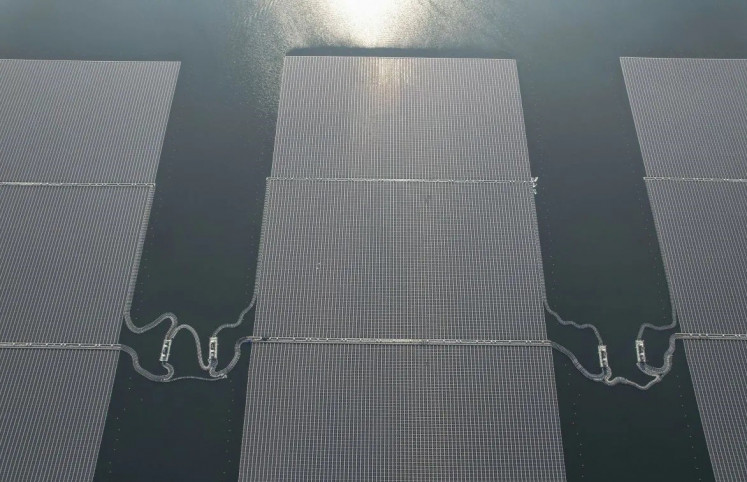
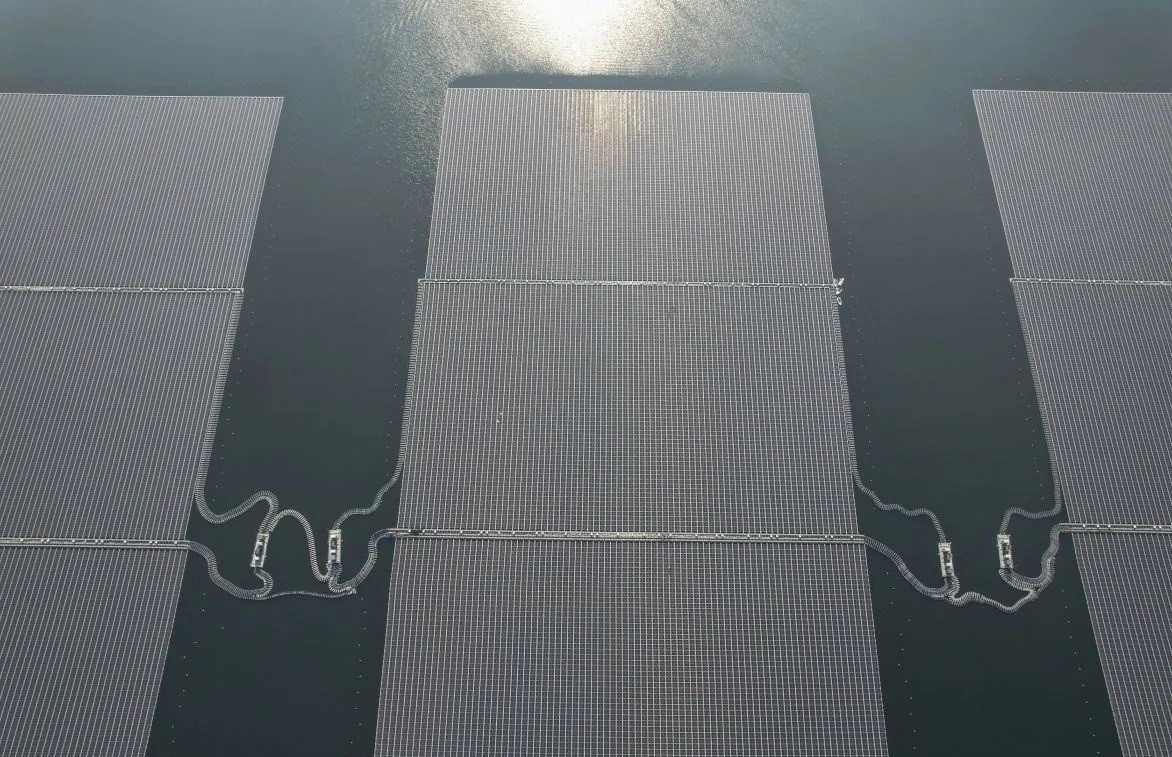 The floating panels of a solar power plant at Cirata Dam in Purwakarta regency, West Java, are seen from above on Sept. 26, 2023. (Antara/Raisan Al Farisi)
I
ndonesia’s proposed 100-gigawatt solar program has been debated largely as a construction challenge. Discussion has centered on procuring sufficient panels and batteries, upgrading state electricity company PLN’s transmission network and securing project finance.
Those concerns matter, but the more decisive question is who will buy all that power.
The logical answer is industry. Factories and commercial facilities are the anchor customers of any expanding power system: they purchase in bulk, run on predictable schedules and commit to long-term off-take agreements. In doing so, they convert electrical capacity into productive output.
On the surface, Indonesia’s mineral downstreaming drive appears positioned to provide this baseload demand. In practice, current industrial policy is cultivating the wrong shape of demand. Most new industrial consumption is concentrated in off-grid, coal-powered smelters, with little flowing to midstream and downstream manufacturers that turn raw metals into machinery, components and finished goods.
This may seem counterintuitive after a decade of downstreaming. Indonesia has drawn tens of billions of dollars into mineral processing and established a dominant position in global nickel supply. Yet that capital stops largely at primary extraction and smelting in remote industrial enclaves.
The broader domestic manufacturing ecosystem that should cut, stamp, machine and assemble these materials remains thin. The result is massive new industrial load, but parked behind captive coal plants rather than integrated into the national grid the transition is meant to decarbonize.

The Energy Shift Institute (ESI) terms this structural void the "missing middle". ESI research indicates that roughly 98 percent of downstream capacity remains in smelting and basic steel processing, while 70 percent of output stops at semi-finished slabs. Consequently, Indonesia continues to import roughly 80 percent of its finished stainless steel products. The primary smelters exist; the domestic fabrication and precision manufacturing base does not.