The Jakarta Post
Please Update your browser
Your browser is out of date, and may not be compatible with our website. A list of the most popular web browsers can be found below.
Just click on the icons to get to the download page.


Popular Reads
Top Results
No results found. Please check your search term and try again
Can't find what you're looking for?
View all search results
Popular Reads
Top Results
No results found. Please check your search term and try again
Can't find what you're looking for?
View all search resultsProtecting workers, livelihoods from El Niño’s fallout
Across Asia and the Pacific, El Niño’s effects can quickly reach workplaces, household budgets and local economies, hitting vulnerable workers, particularly those in the informal economy. Protecting their livelihoods will require an integrated approach linking climate preparedness with social protection and sound macroeconomic policies.
Change text size
Gift Premium Articles
to Anyone
Share the best of The Jakarta Post with friends, family, or colleagues. As a subscriber, you can gift 3 to 5 articles each month that anyone can read—no subscription needed!
 Set as preferred source
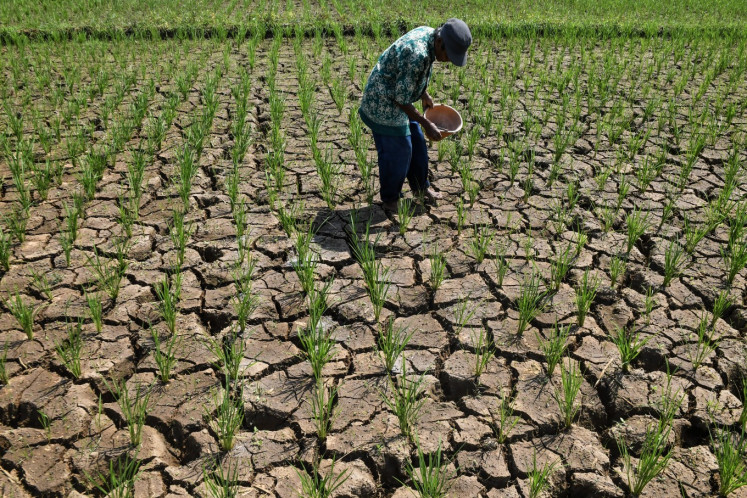
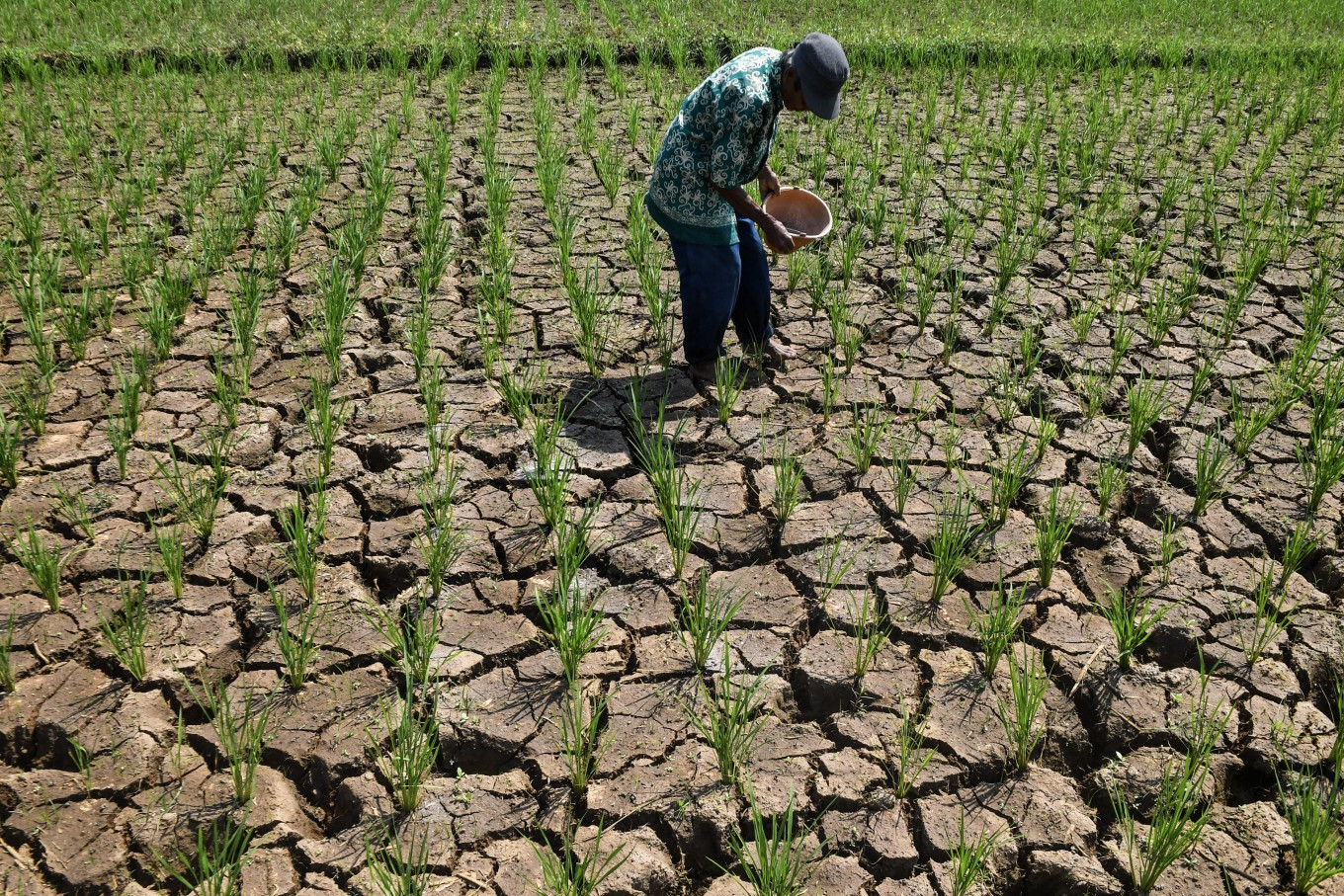 A farmer applies urea to a rice paddy on June 10, 2026, at a drought-affected farm in Handapherang village, Ciamis regency, West Java, where around 12 hectares of rice fields have been left parched and cracked as the dry season intensifies. ( Antara/Adeng Bustomi)
E
l Niño is here again, and this time stronger. The World Meteorological Organization (WMO) reported in September that El Niño is firmly established and expected to strengthen further, with an exceptionally high likelihood that it will persist through the beginning of 2027.
Its effects will differ considerably from country to country, but shifts in rainfall, higher temperatures, droughts, floods and other extreme conditions can have profound consequences for economies and societies across Asia and the Pacific.
Much of the public discussion understandably focuses on the weather. For millions of workers and their families, however, the more immediate questions may be different: Will I still have enough work? Will my earnings fall just as food and other essentials become more expensive? And if I lose my livelihood, what protection will my family have?
These questions matter because El Niño is not only a climate shock; it is also an employment, income and inequality shock. Drought, extreme heat, floods and water shortages can reduce production and disrupt businesses. This can mean fewer working days, shorter shifts and less work. At the same time, disruptions to food, energy and transport can raise the cost of essential goods and reduce purchasing power.
El Niño does not affect everyone equally; some sectors are more exposed. Agriculture is among the most affected, as drought, irregular rainfall, water shortages and extreme heat can reduce harvests, working days and earnings. Fisheries and aquaculture also face risks as warmer oceans affect fish stocks, with impacts extending to processors, traders and other workers along the value chain.
Construction workers may lose working hours when extreme heat makes outdoor work unsafe, while transport, logistics and tourism can be disrupted by floods, damaged infrastructure or extreme heat. Food processing and energy systems may also face higher costs and supply pressures.

The effects extend beyond farms and factories. Street vendors, delivery riders, waste pickers, domestic workers and other workers in the urban informal economy may also lose working hours.