The Jakarta Post
Please Update your browser
Your browser is out of date, and may not be compatible with our website. A list of the most popular web browsers can be found below.
Just click on the icons to get to the download page.


Popular Reads
Top Results
No results found. Please check your search term and try again
Can't find what you're looking for?
View all search results
Popular Reads
Top Results
No results found. Please check your search term and try again
Can't find what you're looking for?
View all search resultsNagoya’s sustainable ecosystem offers urban lessons
While megacities across Asia buckle under gridlock, pollution and unmanaged waste, Nagoya shows how disciplined urban planning and cultural wisdom can build an enduring model of sustainable living.
Change text size
Gift Premium Articles
to Anyone
Share the best of The Jakarta Post with friends, family, or colleagues. As a subscriber, you can gift 3 to 5 articles each month that anyone can read—no subscription needed!
 Set as preferred source
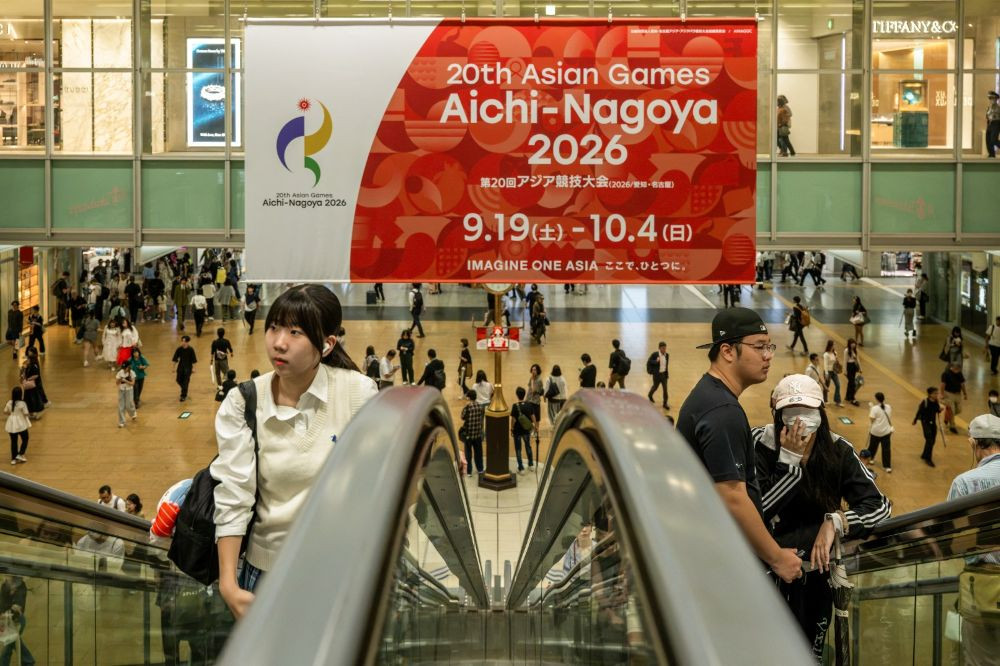 Massive splash: A large banner promoting the 20th Asian Games hangs on Sept. 16, 2026 above a concourse at Nagoya Station, a major railway hub in the capital of Aichi prefecture, Japan. (AFP/Mohd. Rasfan)
S
ince their launch in 2015, and particularly in the post-COVID-19 period from 2022 onward, I have closely tracked the progress of Asian nations toward the Sustainable Development Goals (SDGs). While progress across most targets remains patchy and inconsistent - with several countries likely to miss their 2030 deadlines - trends across select indicators remain directionally positive.
Governments, including Indonesia’s, have placed a clear emphasis on addressing poverty, hunger, education and job creation, even if implementation bottlenecks persist. Corporations are adopting more responsible production models under the combined pressure of stricter regulatory frameworks and heightened consumer expectations.
Meanwhile, spikes in global energy prices driven by Middle Eastern conflicts and international sanctions have compelled policymakers to recognize the imperative of renewable energy, particularly solar power.
Simultaneously, expanding literacy and aspirations for economic independence have empowered women to blaze trails across diverse sectors, steadily dismantling entrenched patriarchal barriers. Moribund public institutions face mounting pressure to modernize as peer-learning platforms - such as the G20, BRICS and ASEAN - alongside data-driven international benchmarks increasingly expose laggards.
Yet, one critical area exhibits an alarming downward trajectory: Goal 11, Sustainable Cities and Communities.
From Bangkok to Bandung, New Delhi to Jakarta, Manila to Hanoi and Dhaka to Wuhan, urban living standards and ecological indicators are worsening. Across varying degrees, these metropolitan areas and their sprawling peripheries - which together account for more than 230 million people - grapple with severe air pollution, gridlock, recurrent flooding, squalid informal settlements, water stress and mountains of unmanaged waste.

In the Middle East, cities like Dubai and Riyadh strain under resource-heavy expansion, while China’s ghost cities serve as cautionary tales of debt-fueled real estate booms gone bust.