The Jakarta Post
Please Update your browser
Your browser is out of date, and may not be compatible with our website. A list of the most popular web browsers can be found below.
Just click on the icons to get to the download page.


Popular Reads
Top Results
No results found. Please check your search term and try again
Can't find what you're looking for?
View all search results
Popular Reads
Top Results
No results found. Please check your search term and try again
Can't find what you're looking for?
View all search resultsWhen consumer confidence surges but purchasing power lags
While Indonesian households remain optimistic about the nation's long-term trajectory, rising living costs are forcing the middle class to tighten their belts, creating a critical policy gap that regulators must urgently bridge.
Change text size
Gift Premium Articles
to Anyone
Share the best of The Jakarta Post with friends, family, or colleagues. As a subscriber, you can gift 3 to 5 articles each month that anyone can read—no subscription needed!
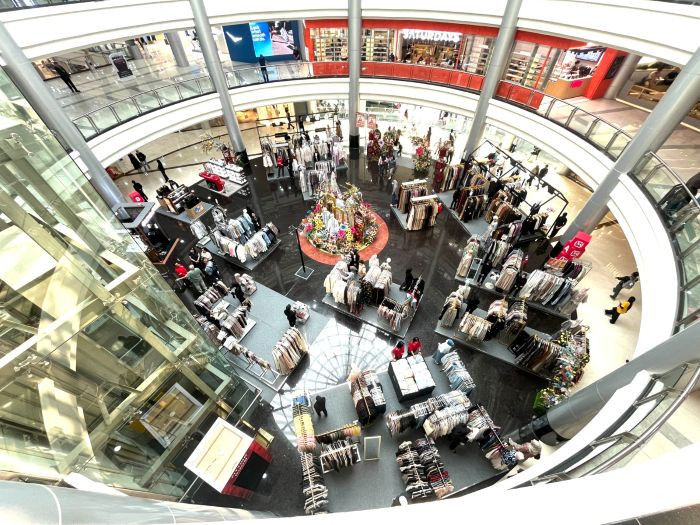
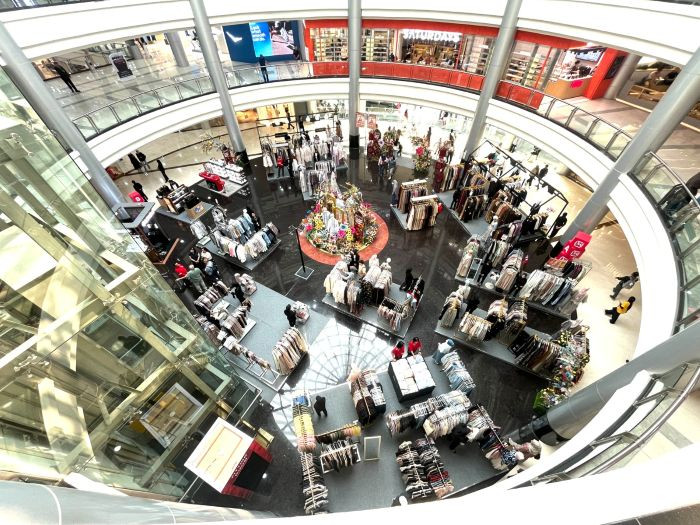 Buying time: Visitors attend a bazaar held in the lobby of a shopping mall in Depok, West Java, on Oct. 17, 2026. (JP/Iqro Rinaldi)
R
ecent macroeconomic indicators present a landscape that is both compelling and perplexing to analysts and the public alike. On one hand, Bank Indonesia (BI) reports that the Consumer Confidence Index (CCI) reached a five-month peak of 119.9, signaling widespread optimism regarding future economic prospects. On the other, economists and retail industry leaders caution that real purchasing power has yet to mount a full recovery.
This divergence raises a critical question: Is the consumer optimism captured in surveys merely a statistical artifact, or does it reflect an evolving economic dynamic that has eluded conventional policy frameworks?
Deconstructing this anomaly requires a balanced assessment. A robust CCI confirms that public sentiment regarding employment availability and medium-term economic stability remains sound, an asset of undeniable economic and social value. Nevertheless, heightened sentiment has not translated into commensurate transactional activity across retail checkouts and commercial centers.
The middle class, the primary engine of domestic consumption, currently occupies a posture of cautious optimism. While these households anticipate long-term stability, they are deliberately curbing discretionary expenditure on durable goods and prioritizing precautionary savings.
Compounded by elevated living costs, energy price realignments and restrictive borrowing costs, middle-income consumers are rationalizing spending. Consequently, household consumption, which accounts for over half of gross domestic product, is expanding at a more subdued pace than headline sentiment suggests.
Inevitably, more skeptical perspectives have surfaced. Several commentators argue the widening divergence between sentiment metrics and transaction volumes points to underlying structural fatigue. They contend that fiscal commitments, notably extensive social assistance outlays, constrain the budgetary room required to stimulate productive sectors.

Under this assessment, stagnant middle-class purchasing power is diagnosed as an entrenched vulnerability unlikely to abate in the near term. While this critique identifies legitimate pressure points, it underestimates macroeconomic fundamentals.