The Jakarta Post
Please Update your browser
Your browser is out of date, and may not be compatible with our website. A list of the most popular web browsers can be found below.
Just click on the icons to get to the download page.


Popular Reads
Top Results
No results found. Please check your search term and try again
Can't find what you're looking for?
View all search results
Popular Reads
Top Results
No results found. Please check your search term and try again
Can't find what you're looking for?
View all search resultsIslam’s guidance for coping with the pandemic
Muslims’ experience and knowledge of epidemics enabled them to develop innovative measures to enable Muslim societies to adjust to and cope with such contemporary challenges.
Change text size
Gift Premium Articles
to Anyone
Share the best of The Jakarta Post with friends, family, or colleagues. As a subscriber, you can gift 3 to 5 articles each month that anyone can read—no subscription needed!
 Set as preferred source
A
s the COVID-19 pandemic continues to rapidly spread globally, the whole world is desperately looking for ways to contain it, finding cures for the infected and developing vaccines to protect against it.
The world adopted the Muslim practice of quarantines in the form of lockdown, self-isolation and physical distance. The Doge (lord) of Venice learnt that when facing epidemics, Muslim rulers in the East imposed precautionary 40-day quaranta (‘arbain), as mentioned by Ibn Khaldun.
Contrary to the teachings of some, ironically, although not well-known in Muslim societies, such methods of prevention and protection are rooted in the teachings and history of Islam.
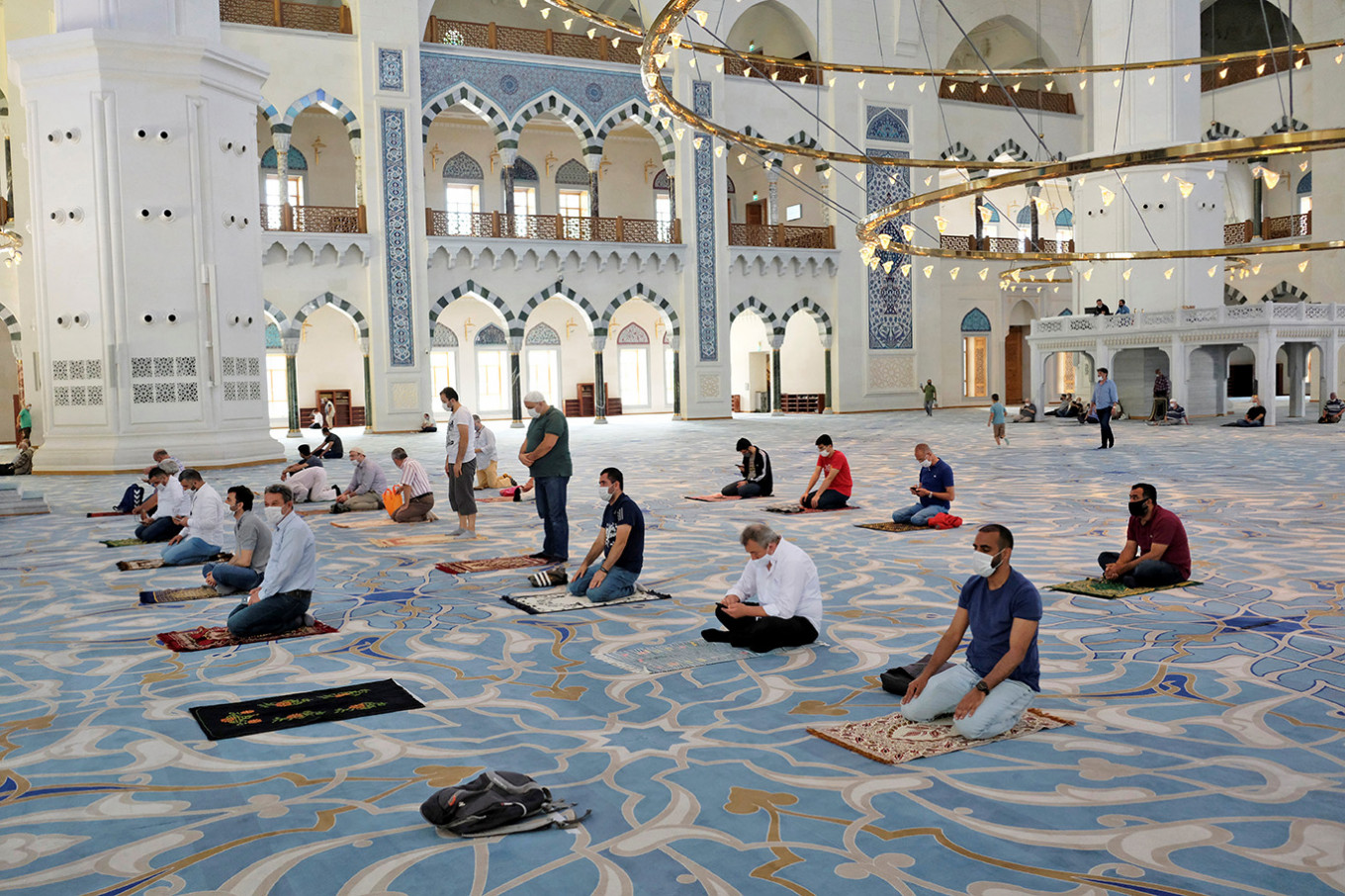
As social beings, Muslims are encouraged, but not required to perform their daily obligatory prayers in congregation, and typically are emotionally attached to mosques. Thus, measures such as quarantines and physical distancing, are causing psychological distress to many Muslims. Undoubtedly, COVID-19 is undermining long practiced religious customs.
Strict, prolonged “stay in shelter” lockdowns have especially hit and hurt millions of urban poor living in slums and shanty towns, sometimes identified as the “precariat” typically working in the “informal” economy, and in recent decades, increasingly beyond.
As more and more pressure comes from powerful business interests as well as much of the population suffering from the loss of livelihoods, governments have to “open up” and switch to other means to contain the epidemic and its adverse consequences.
This also means risking possible resurgence of infections. Until the development and availability of an effective and affordable vaccine for mass immunization, societies have little choice but to fall back upon precautionary measures to contain the spread of the virus.