The Jakarta Post
Please Update your browser
Your browser is out of date, and may not be compatible with our website. A list of the most popular web browsers can be found below.
Just click on the icons to get to the download page.


Popular Reads
Top Results
No results found. Please check your search term and try again
Can't find what you're looking for?
View all search results
Popular Reads
Top Results
No results found. Please check your search term and try again
Can't find what you're looking for?
View all search resultsRight crops ‘may prevent’ elephant-human conflicts
Wahdi said people should learn from the history of the Aceh Sultanate, which gained wealth from the export of pepper and nutmeg and at the same time, nurtured coexistence with elephants because the animal did not eat the crops.
Change text size
Gift Premium Articles
to Anyone
Share the best of The Jakarta Post with friends, family, or colleagues. As a subscriber, you can gift 3 to 5 articles each month that anyone can read—no subscription needed!
 Set as preferred source
A
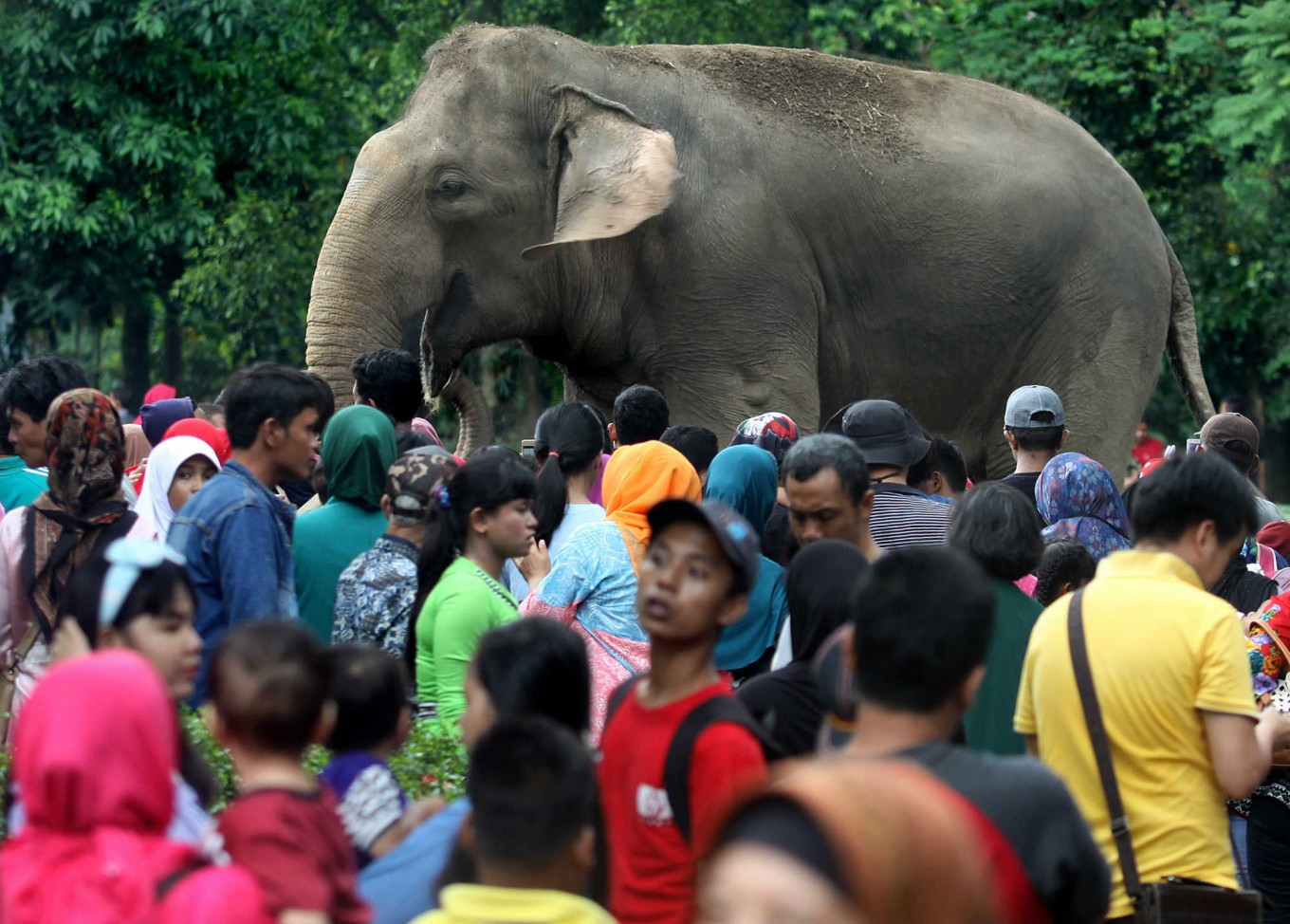
s elephant-human conflicts continue to be reported in Sumatra amid massive deforestation that prompts the critically endangered species to go to plantations and human settlements to find food, an expert has suggested that planting the right crops may prevent such conflicts.
Wahdi Azmi, director of the Aceh Conservation Response Unit, which aims to care for the elephant population, said Sumatran elephants were not familiar with oil palm fruit in the past.
“But ever since the loss of their habitat to plantations, the fruit is what is available to them and they find it palatable. They raid oil palm plantations because they like eating the fruit,” he said during a virtual discussion on Friday.
Aceh is home to the largest population of the critically endangered Sumatran elephants. More than 500 individuals of a population of around 2,500 of the elephants native to Sumatra Island live in the province.
As the largest land mammals that live in herds, elephants need abundant natural food. Therefore, the animals need a vast natural habitat as their home range.
Wahdi said people should learn from the history of the Aceh Sultanate, which gained wealth from the export of pepper and nutmeg and at the same time, nurtured coexistence with elephants because the animal did not eat the crops.
“We can serve both animal conservation and economic interests hand in hand by growing the right commodity crops,” he said.