The Jakarta Post
Please Update your browser
Your browser is out of date, and may not be compatible with our website. A list of the most popular web browsers can be found below.
Just click on the icons to get to the download page.


Popular Reads
Top Results
No results found. Please check your search term and try again
Can't find what you're looking for?
View all search results
Popular Reads
Top Results
No results found. Please check your search term and try again
Can't find what you're looking for?
View all search resultsSafeguarding domestic producers during pandemic
While the world’s most populous country, China, is recovering from the virus and preparing to boost its long-held exports, Indonesia is still in the process of gradually relaxing restrictions.
Change text size
Gift Premium Articles
to Anyone
Share the best of The Jakarta Post with friends, family, or colleagues. As a subscriber, you can gift 3 to 5 articles each month that anyone can read—no subscription needed!
 Set as preferred source
W
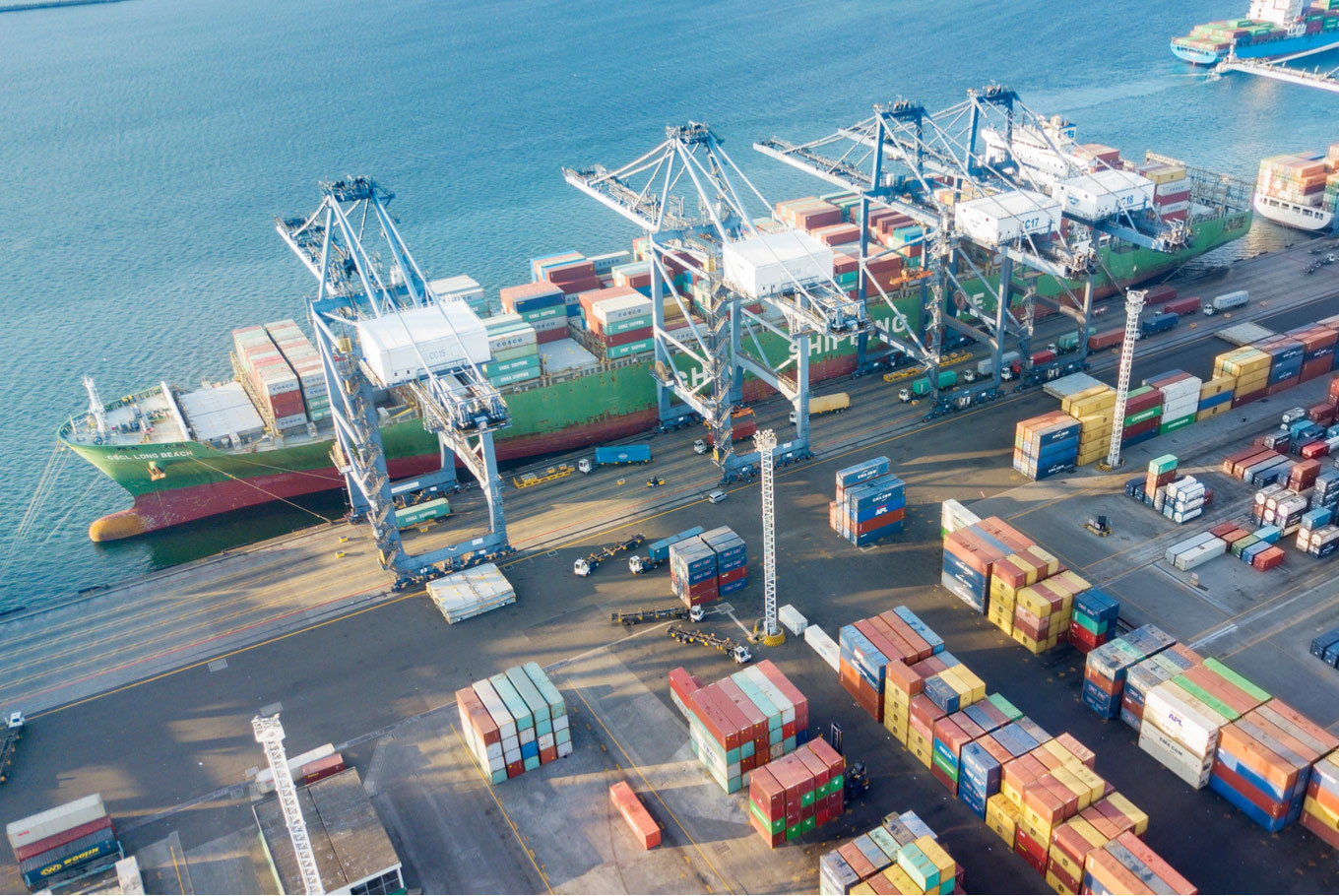
ith the current COVID-19 pandemic hitting almost every country, world leaders are adjusting their policies to prioritize their respective national interests. The Indonesian government has issued policies to safeguard human health and safety by limiting domestic business activities and the movement of people in certain big cities. At the same time, however, such policies are indirectly hampering trade between Indonesia and other countries.
While the world’s most populous country, China, is recovering from the virus and preparing to boost its long-held exports, Indonesia is still in the process of gradually relaxing restrictions. With the limitations of doing business since March, domestic business players have been struggling to keep their businesses and factories running. Most of their expansion plans have been changed to the “survival-mode” plan.
Now they are faced with lurking threats of import surges from other countries, particularly China. Simply put, domestic business players are struggling to recover from the pandemic, while at the same time, foreign competitors are preparing to enter the Indonesian market. Such a situation might result in another big hit to domestic business players.
There are two main types of trade practices under international trade law of the World Trade Organization (WTO), namely unfair trade and fair trade. Unfair trade practices such as dumping and subsidies are known and proven to result in economic injuries to the importing country. On the flip side, safeguarding is taken by a country that is experiencing a serious economic crisis or one that is being threatened by a serious economic crisis. Such safeguarding measures are considered fair-trade practices.
Either the government or domestic business players (companies or associations) may propose to enact safeguards on specific goods whose industries have been “injured” domestically. The government and domestic business players have to identify which industries need immediate support. Prior to initiating a safeguarding investigation, there are three main indicators to be fulfilled. First, there has to have been an import surge in the last three years; second, there has to be serious material injury or the threat of serious material injury to domestic producers that produce similar products; and third, there has to be a causal link between import surges and the material injury or threat of material injury.
Bear in mind that safeguarding measures are focused on goods and not on the exporting countries. A country is not allowed to discriminate between exporting countries in implementing safeguarding measures. Additionally, a country imposing safeguarding measures may allocate certain quotas from exporting countries.
Safeguarding measures are temporary, and the basic time limit is four years. However, under certain conditions, protection may be extended to eight years. More importantly, after a safeguard has been in place for three years, affected exporting partners are able to retaliate against the safeguard by withdrawing substantially equivalent tariff concessions. Therefore, in order to effectuate the implementation of a safeguard, the government shall provide opportunities for a hearing of members of the WTO or exporting partners who have a substantial interest in presenting their evidence and views.