The Jakarta Post
Please Update your browser
Your browser is out of date, and may not be compatible with our website. A list of the most popular web browsers can be found below.
Just click on the icons to get to the download page.


Popular Reads
Top Results
No results found. Please check your search term and try again
Can't find what you're looking for?
View all search results
Popular Reads
Top Results
No results found. Please check your search term and try again
Can't find what you're looking for?
View all search resultsComposting gains popularity amid COVID-19
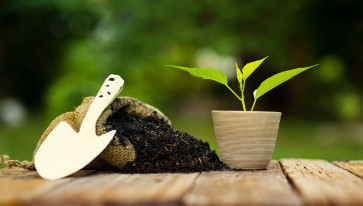
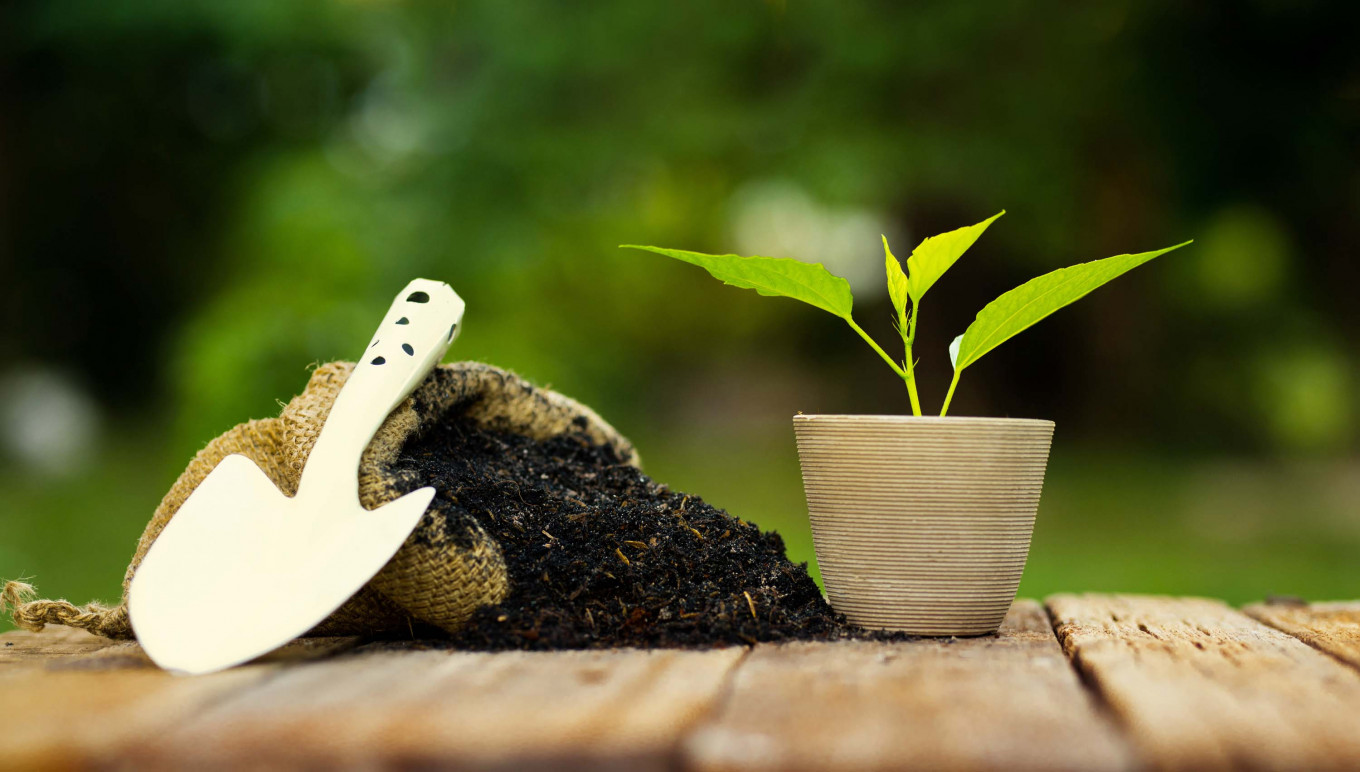
Urban farmers use their organic household waste, ranging from food waste like remnants of vegetables, fruit skin and fish bones to fallen leaves to make compost to fertilize their homegrown vegetables, typically water spinach.
Change text size
Gift Premium Articles
to Anyone
Share the best of The Jakarta Post with friends, family, or colleagues. As a subscriber, you can gift 3 to 5 articles each month that anyone can read—no subscription needed!
 Set as preferred source
T
aking up a new hobby upon moving to a new house during the COVID-19 pandemic, Corry Elyda, a 34-year-old professional living in South Tangerang, Banten, decided to become an urban farmer in April 2020.
Realizing just how environmentally-unfriendly chemical fertilizers are, in June this year, she decided to take a composting workshop to learn how to make her own organic fertilizer.
The Merriam-Webster’s Dictionary defines compost as a mixture of largely decayed organic matter than can be used to fertilize and condition land.
Urban farmers use their organic household waste, ranging from food waste like remnants of vegetables, fruit skin and fish bones to fallen leaves to make compost to fertilize their homegrown vegetables, typically water spinach.
Urban composting has gained so much in popularity that in late July, an organization called Kota Tanpa Sampah (City Without Trash) organized a virtual composting festival. The workshop Corry joined was also a bimonthly event organized by the organization.
Kota Tanpa Sampah is the brainchild of LabTanya, an ecologically-minded design organization that wants to encourage the use of various research methods among urban communities.
Adi Wibowo, one of Kota Tanpa Sampah’s cofounders, said there were two composting processes: aerobic and anaerobic.