The Jakarta Post
Please Update your browser
Your browser is out of date, and may not be compatible with our website. A list of the most popular web browsers can be found below.
Just click on the icons to get to the download page.


Popular Reads
Top Results
No results found. Please check your search term and try again
Can't find what you're looking for?
View all search results
Popular Reads
Top Results
No results found. Please check your search term and try again
Can't find what you're looking for?
View all search resultsSolving Indonesia's invisible infection clusters
The government is not spending on COVID-19 preventive measures in the places where people spend most of their time: their homes.
Change text size
Gift Premium Articles
to Anyone
Share the best of The Jakarta Post with friends, family, or colleagues. As a subscriber, you can gift 3 to 5 articles each month that anyone can read—no subscription needed!
 Set as preferred source
U
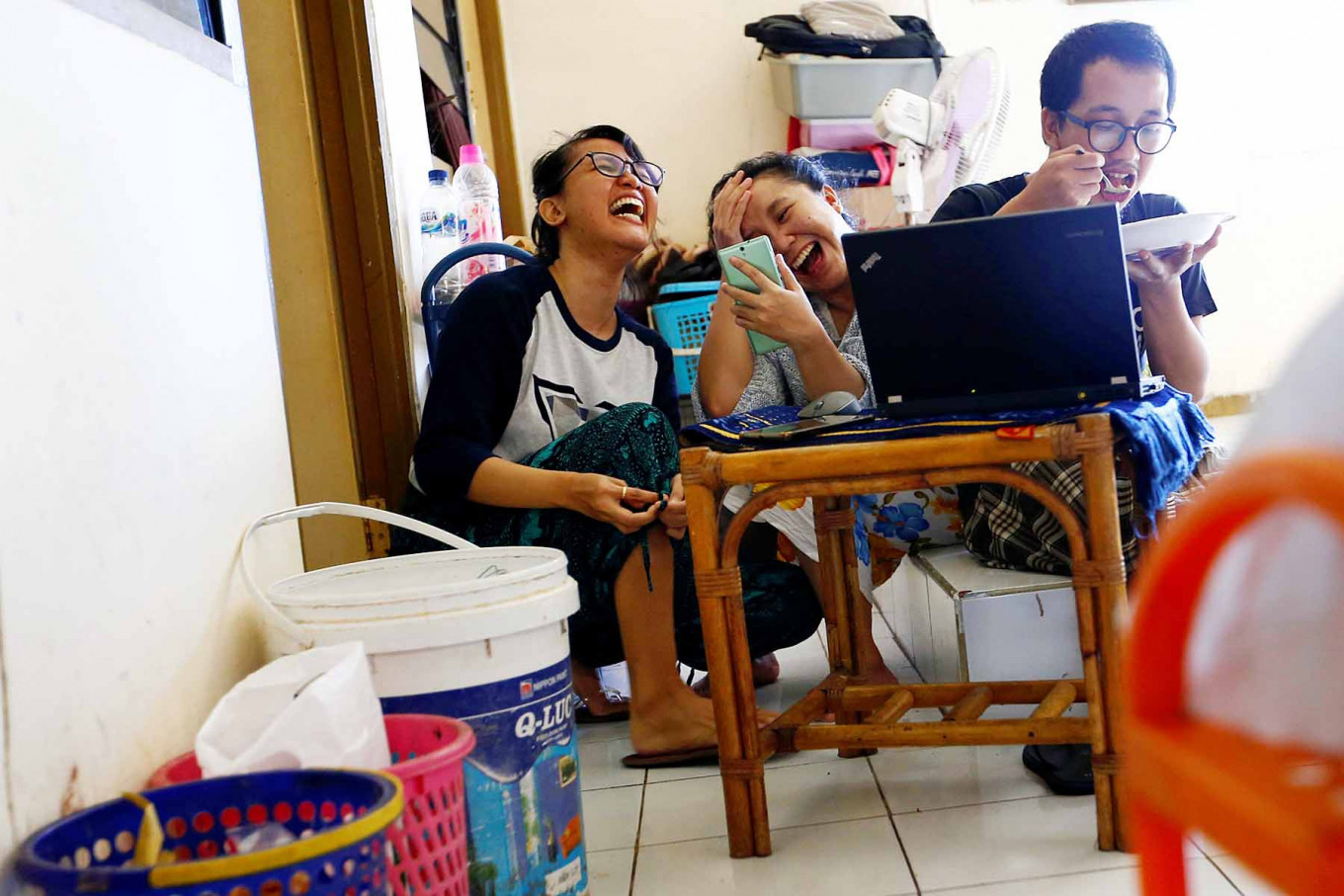
ntraceable and invisible. Contagious and dangerous. These words describe the infection clusters at kos-kosan (rooming houses) that are seldom discussed, yet require serious attention if Indonesia truly wants to start taking control of the COVID-19 pandemic.
Infection clusters are nothing new. They have been popping up left and right ever since the start of the health crisis, most notably at office buildings, where the rate of infection has spiked as some companies prioritize business over health, forcing employees to commute to work from home.
As reported by The Jakarta Post on July 29, Jakarta alone saw at least 90 distinct office clusters emerge – a number that has continued to rise due to poor ventilation, a lack of space for social distancing and the lax enforcement of health protocols.
When the workers at these offices return to their rooming houses, they bring the disease with them.
And herein lies the problem. The government is not spending on COVID-19 preventive measures in the places where people spend most of their time: their homes.
It’s not for a lack of trying. In response to the pandemic, the administration of President Joko “Jokowi” Widodo announced a relief package worth more than Rp 400 trillion (US$27 billion). This amount was to be divvied up on spending for healthcare infrastructure, social safety nets, industrial support and the national economic recovery program.
However, its earnest intentions aside, the relief package has not sufficed in holding citizens accountable to proper preventive practices, nor does it enforce such measures in communal living areas – as reported by Bloomberg, 60.6 percent of Indonesians surveyed by independent pollster Indikator Politik oppose tough mobility restrictions.