The Jakarta Post
Please Update your browser
Your browser is out of date, and may not be compatible with our website. A list of the most popular web browsers can be found below.
Just click on the icons to get to the download page.


Popular Reads
Top Results
No results found. Please check your search term and try again
Can't find what you're looking for?
View all search results
Popular Reads
Top Results
No results found. Please check your search term and try again
Can't find what you're looking for?
View all search resultsHard work pays off
A satellite data study by the University of Maryland reported that Indonesia lost 324,000 hectares of primary forest, just behind Brazil (1.36 million ha) and Democratic Republic of the Congo (475,000 ha) last year.
Change text size
Gift Premium Articles
to Anyone
Share the best of The Jakarta Post with friends, family, or colleagues. As a subscriber, you can gift 3 to 5 articles each month that anyone can read—no subscription needed!
 Set as preferred source
A
mid the catastrophic impacts of the coronavirus, good news is coming from Indonesian forests. The government’s efforts to reduce deforestation and forest fires have paid off.
Indonesia has secured a grant of US$103.8 million from the Green Climate Fund (GCF) for avoiding 20.3 million tons of carbon dioxide emissions from 2014 to 2016. The country has also received a $56 million grant from Norway for reducing deforestation and carbon emissions.
Notwithstanding the amount, the grants are proof of the international community’s trust in Indonesia, which has been struggling to protect its remaining forests and the environment amid expansion of the agro-industry sector, such as palm oil.
Indonesia has been the world’s largest palm oil producer for more than a decade, but lagged behind in curbing deforestation and forest fires thanks in part to slash and burn practices in the sector.
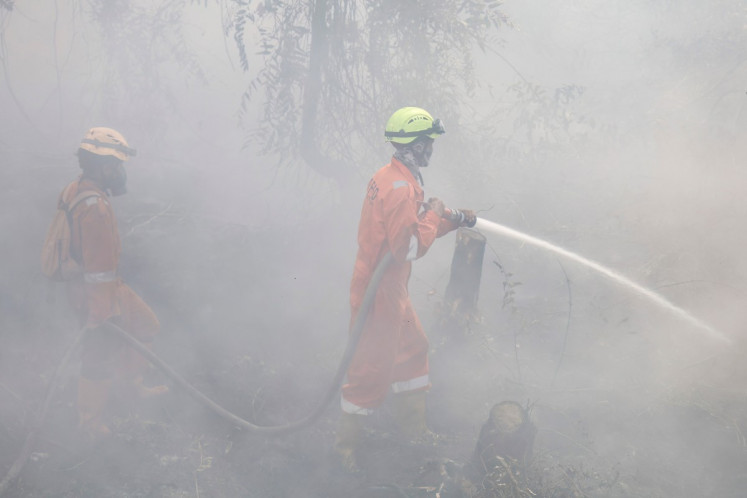
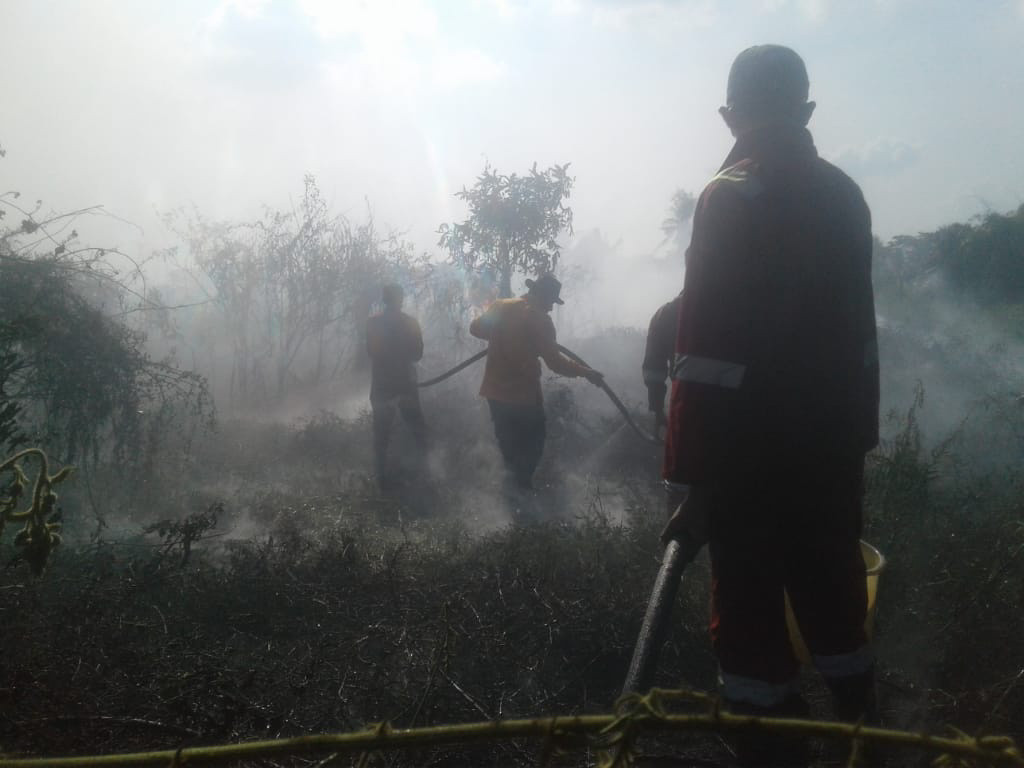
In 2015, the country saw the worst-ever fire disaster and haze crisis that caused Rp 221 trillion ($15 billion) in economic losses to the country, an amount equal to 1.9 percent of its gross domestic product that year. The fires, which damaged 2.6 million hectares of land and forests, claimed 24 lives and caused hundreds of thousands of people to suffer from respiratory problems.
The government has come under pressure both at home and from the international community to control the fires and enforce the law against those behind the land and forest fires. The law may have been enforced, but corporations and individuals convicted for starting fires have not paid the fines.
The country’s poor handling of deforestation has even led the European Union to list palm oil as the only commodity to be capped over concerns of deforestation. Indonesia is challenging this non-tariff barrier at the World Trade Organization.