The Jakarta Post
Please Update your browser
Your browser is out of date, and may not be compatible with our website. A list of the most popular web browsers can be found below.
Just click on the icons to get to the download page.


Popular Reads
Top Results
No results found. Please check your search term and try again
Can't find what you're looking for?
View all search results
Popular Reads
Top Results
No results found. Please check your search term and try again
Can't find what you're looking for?
View all search resultsOnline learning & burnout: Why some parents are keen for their children to go back to school
The method has left many parents feeling burned out and dissatisfied, who are concerned about both the benefits and risks of resuming in-class learning as the government pushes to reopen schools.
Change text size
Gift Premium Articles
to Anyone
Share the best of The Jakarta Post with friends, family, or colleagues. As a subscriber, you can gift 3 to 5 articles each month that anyone can read—no subscription needed!
 Set as preferred source
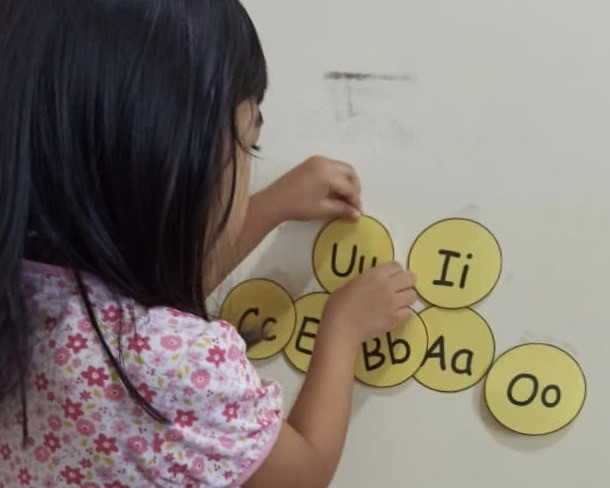
Online schooling meant many adjustments for Maria Ferrari’s daughters, 7-year-old Senja and 11-year-old Tala.
In the early days of at-home learning, Maria was worried about the method’s reliance on digital devices, since she allowed her youngest daughter to use them only on weekends. After a few months of lending Senja her laptop, Maria and her husband bought a new laptop for their daughter.
But then, the 43-year-old mother found that Senja was becoming increasingly distracted by the internet, whether it was chatting with her friends or watching videos on YouTube.
Theoretically, the offline hour after each class was to be used for other activities that did not use gadgets, but Maria said that her daughters found it increasingly difficult to unplug.
“At school, [Senja and Tala] can play with their friends during recess. Now that they’re apart from each other, they stay connected through the internet,” she said. Classes like physical education were also challenging, with limited space at home.
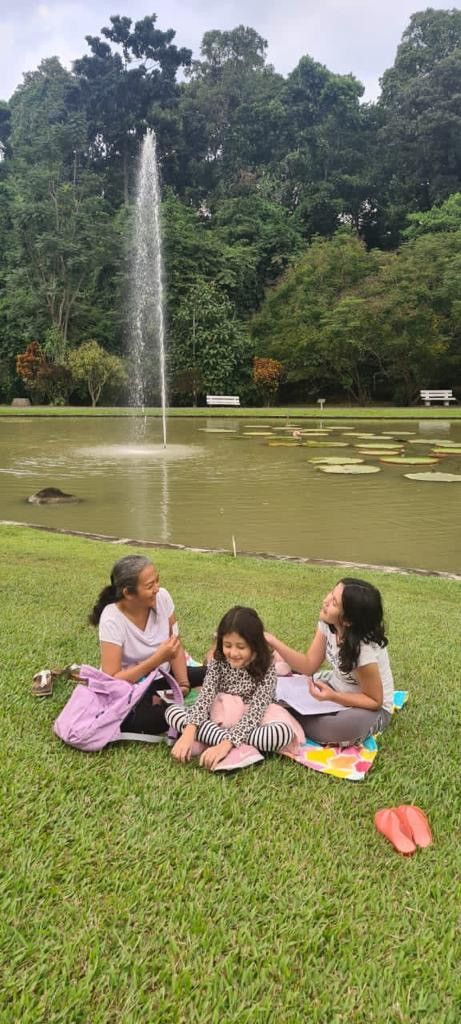
The lack of physical activity in online learning is a worry some parents share.