The Jakarta Post
Please Update your browser
Your browser is out of date, and may not be compatible with our website. A list of the most popular web browsers can be found below.
Just click on the icons to get to the download page.


Popular Reads
Top Results
No results found. Please check your search term and try again
Can't find what you're looking for?
View all search results
Popular Reads
Top Results
No results found. Please check your search term and try again
Can't find what you're looking for?
View all search resultsIs ‘cookieless’ a new era for the internet?
Research by The Trade Desk found that more than one in two Asia-Pacific consumers are willing to share information about their online interests to enable relevant advertising so that they could access free content on the internet.
Change text size
Gift Premium Articles
to Anyone
Share the best of The Jakarta Post with friends, family, or colleagues. As a subscriber, you can gift 3 to 5 articles each month that anyone can read—no subscription needed!
B
ack in 1994 Stanford student Jerry Yang built the world’s first web index, which he named Yahoo! Inc. whilst Mosaic Communications released the world’s first commercially available web browser, Netscape Navigator.
In an era when most software was still distributed on floppy disk, Netscape quickly gained popularity when it was made available for download. And although no one thought to mention it at the time, this initial Netscape release included a humble but crucial technical protocol called the cookie.
This highly influential cookie would eventually survive not only the company that invented it, but also many other early online titans.
But now cookies have been put on notice. More than 25 years later, there has never been a better opportunity to rewrite the way the internet functions. Long a lightning rod for privacy concerns, cookies do not offer consumers enough choice and control over their online data in a world where privacy is taking center stage.
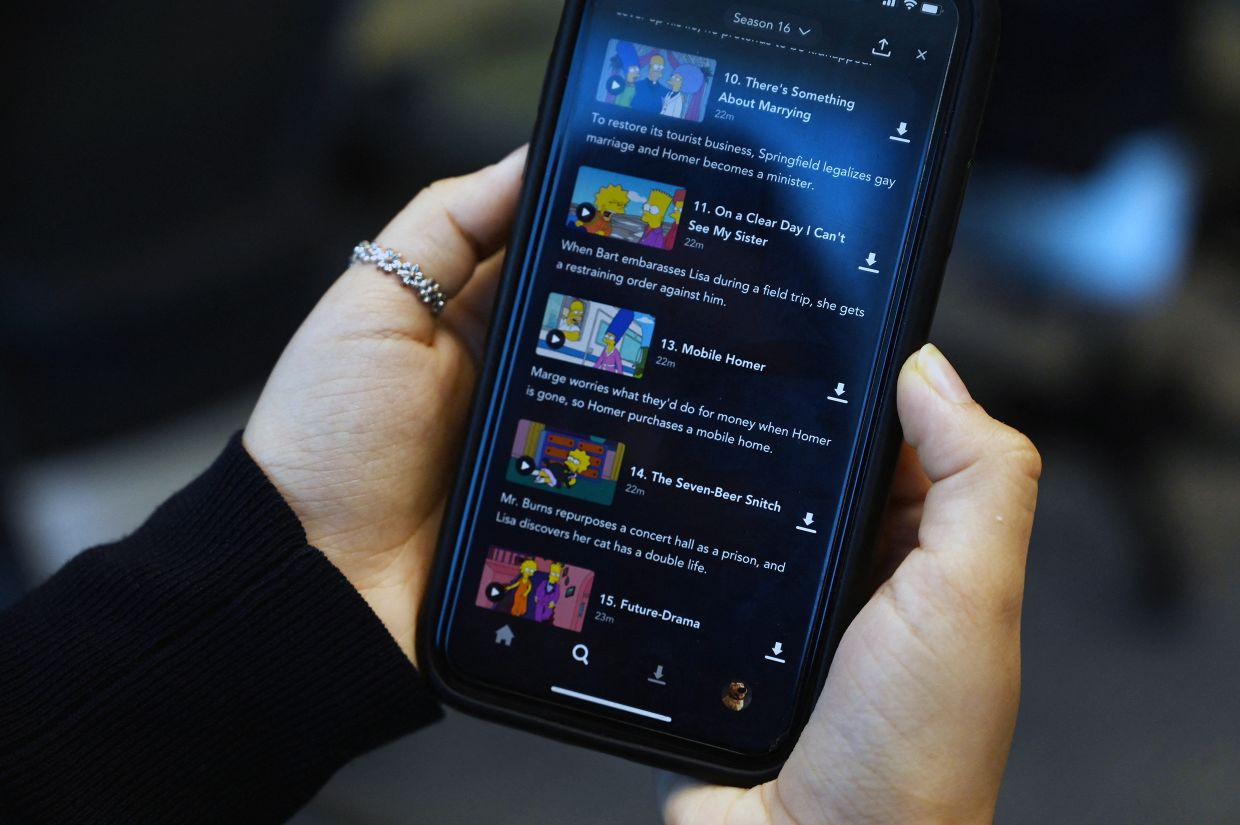
For advertisers, cookies were never designed for advertising. They were simply co-opted as the least-bad solution available. And they only cover mainly the browsing internet. They are non-existent in the fastest-growing parts of the open internet, which include people reading online news or binge-watching their favorite series on their mobile devices or smart TVs, as well as music streaming, podcasts, and gaming and mobile apps.
In Indonesia, data reveal that the open internet reaches over 190 million consumers and digitally savvy Indonesians are increasingly shifting their media habits toward professionally produced, premium content on channels such as OTT/CTV and music streaming versus user-generated content (UGC) platforms.
Out of the 283 hours the average Indonesian consumers spend on digital media in a month, more than half (55 percent) is spent on the open internet. At the same time, viewers in Southeast Asia are streaming 8 billion hours of OTT content per month, with more than 72 percent of consumers planning to maintain or increase their OTT viewing.