The Jakarta Post
Please Update your browser
Your browser is out of date, and may not be compatible with our website. A list of the most popular web browsers can be found below.
Just click on the icons to get to the download page.


Popular Reads
Top Results
No results found. Please check your search term and try again
Can't find what you're looking for?
View all search results
Popular Reads
Top Results
No results found. Please check your search term and try again
Can't find what you're looking for?
View all search resultsIndonesia’s TikTok election
Gen Zers are projected to play a key role in the upcoming elections, which have been framed by many as a critical period that would shape, if not determine, the future of the country.
Change text size
Gift Premium Articles
to Anyone
Share the best of The Jakarta Post with friends, family, or colleagues. As a subscriber, you can gift 3 to 5 articles each month that anyone can read—no subscription needed!
 Set as preferred source
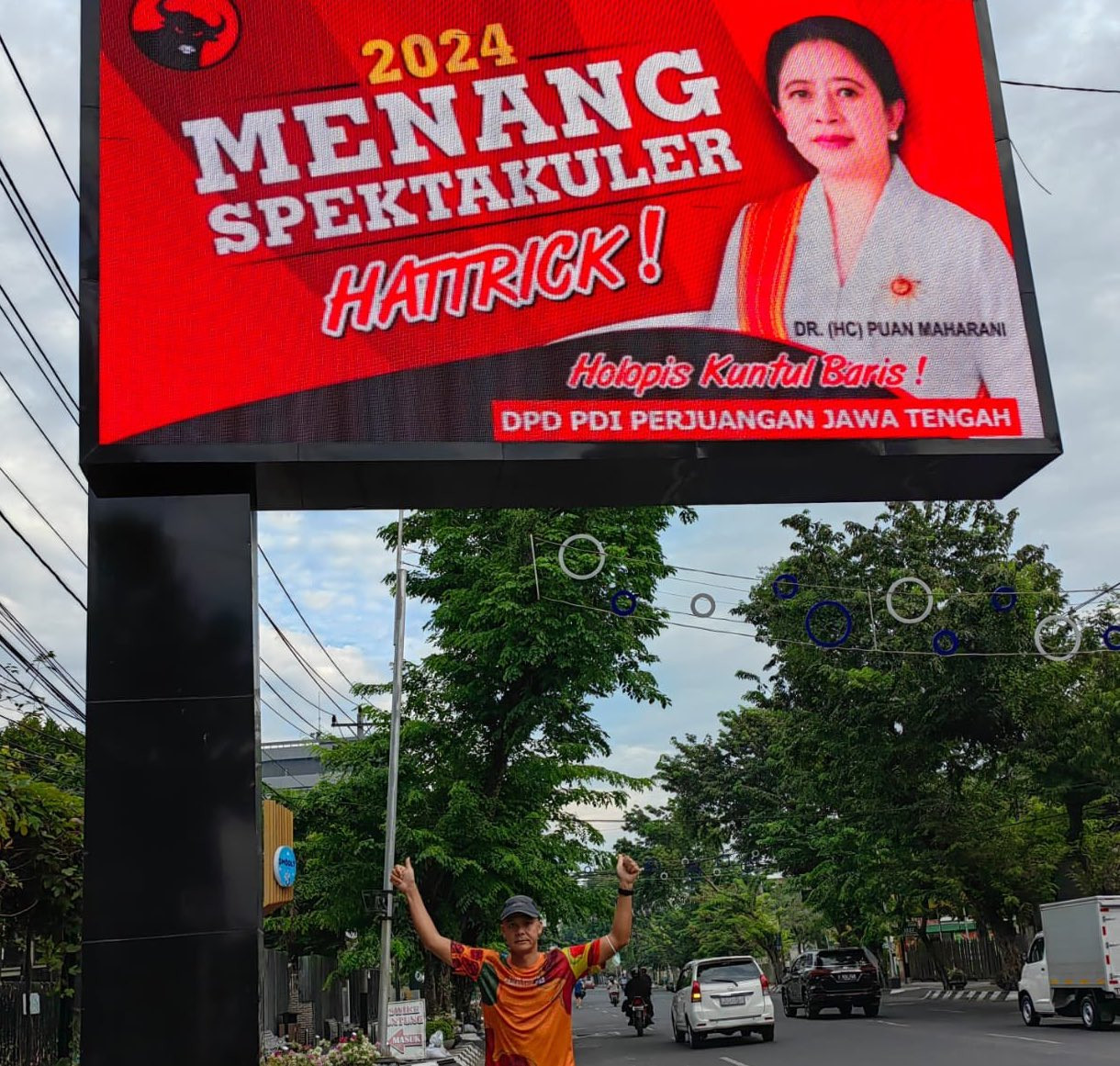
The 2024 general elections will likely go down in history as Indonesia’s first TikTok election, given the rising popularity of the Chinese video-hosting service in the country.
United States-based social media platforms such as Facebook, Instagram and Twitter will still play a role in the upcoming elections. But they will not be the only players in the game anymore. In fact, they may no longer serve as the primary battleground for election contenders seeking to capitalize on the new generation of voters: the Gen Zers.
The rise of TikTok is part of a generational shift in global society, which comes at a time when China is emerging as an economic powerhouse. TikTok has taken the world by storm, and it is only a matter of time before it reshapes our electoral politics.
We have had different kinds of “online” elections before — the first one was in 1999 when mailing lists, mostly hosted by Indonesianists abroad, served as uncensored communication channels for students and political activists. It was the online election for Gen Xers, who are currently replacing the baby boomers as policymakers. The millennials, many of whom are (apparently) on Twitter, had their day during the last two elections, catapulting the then-obscure regional politician, Joko “Jokowi” Widodo, into political stardom. Jokowi, in a nutshell, is a byproduct of our own Twitter election.
Gen Zers will make up at least a quarter of eligible voters next year. They are currently the largest age group in the country, accounting for 27.94 percent of the population. They are projected to play a key role in the upcoming elections, which have been framed by many as a critical period that would shape, if not determine, the future of the country.
Here is why TikTok is a big factor in that process. Indonesia now hosts the second largest TikTok audience in the world with 113 million users, second only to that of the US and accounting for about half of its audience in Southeast Asia.

Election contenders have now begun to consider TikTok as a primary digital channel for their campaign. The Prosperous Justice Party (PKS), the nation’s largest Islamist party, has been aggressively seeking followers on the platform. It is now leading the pack with 57,800 followers, followed by the United Development Party (PPP) and the Gerindra Party with 48,100 and 47,700 followers, respectively.