The Jakarta Post
Please Update your browser
Your browser is out of date, and may not be compatible with our website. A list of the most popular web browsers can be found below.
Just click on the icons to get to the download page.


Popular Reads
Top Results
No results found. Please check your search term and try again
Can't find what you're looking for?
View all search results
Popular Reads
Top Results
No results found. Please check your search term and try again
Can't find what you're looking for?
View all search resultsus-iran-tension
Opinion 4 months ago
PREMIUM
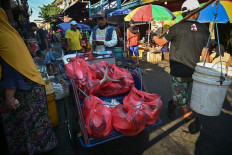
Analysis: US-Iran conflict boosts Indonesia’s rising inflation via plastics
The prolonged United States-Israeli war on Iran, coupled with the effective closure of the Strait of Hormuz, is beginning to ripple through global supply chains, particularly in oil and gas. The conflict is fueling cost-push inflation through rising prices of oil-derived products, especially plastics. Yet in Indonesia, the policy response remains limited, even as the economic impact becomes increasingly visible.


Markets 5 months ago
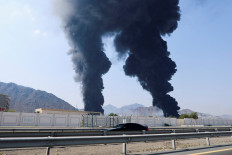
Fire at UAE oil hub as Iran vows retaliation for US attack on Kharg Island
Iran warned it could target United States "hideouts" in the United Arab Emirates as a major UAE energy hub suffered disruption after a drone attack on Saturday, and US President Donald Trump said "many countries" would send warships to the region.

Middle East and Africa 6 months ago
PREMIUM
Jakarta races to bring home pilgrims amid Mideast travel disruptions
Jakarta is scrambling to bring home thousands of umrah (minor haj) pilgrims stranded in Saudi Arabia after sweeping airspace closures linked to the United States–Israel war against Iran disrupted travel across the Middle East, though limited flights are still operating.


Americas 6 months ago
Trump's Iran strikes mark his biggest foreign policy gamble
Analysts question whether Trump, who has ruled out deploying US troops on the ground, has a strategy that could unseat Iran’s longtime cleric-dominated government, which has proved resilient in the face of crippling sanctions and periodic mass protests.
Middle East and Africa 2 years ago
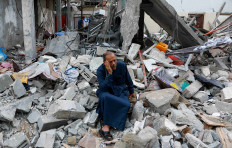
Fight to recapture Israeli towns 'taking longer than expected'
Fighting was still raging at seven or eight locations inside Israel captured by the fighters, who killed 700 Israelis and seized dozens of hostages in an assault that shattered Israel's reputation of invincibility.
Editor's Picks
Popular
- Mass poisonings cast doubt on free meals reforms
- New data rules could unlock cross-border data flows
- Malaysia must not breathe Indonesia’s governance failure
- Volcanic eruptions take toll on economy
- Wildfires continue to rage across Indonesia, 139 arrested for arson
- Local, foreign firms own largest burned concessions in Kalimantan
- The Donald Trump shock in East Asia
- Indonesian wildfire emissions surge to world's highest
- Search intensifies for journalists, crew as Anak Krakatau ashfall eases
- Much ado about asset forfeiture


