The Jakarta Post
Please Update your browser
Your browser is out of date, and may not be compatible with our website. A list of the most popular web browsers can be found below.
Just click on the icons to get to the download page.


Popular Reads
Top Results
No results found. Please check your search term and try again
Can't find what you're looking for?
View all search results
Popular Reads
Top Results
No results found. Please check your search term and try again
Can't find what you're looking for?
View all search resultsenergy

Academia 2 months ago
PREMIUM
Cheap drones redefine energy security risks
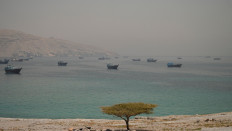
Lessons from the battlefields of Ukraine, Russia and the Middle East have shown how unmanned aircraft can evade traditional air defenses, turning oil refineries, power stations, export terminals and pipelines into prime targets.
Opinion 2 months ago
PREMIUM
Analysis: Cooking up energy security: CNG or induction stoves?
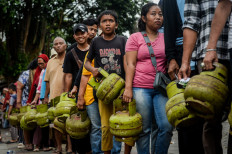
Amid rising geopolitical tensions and growing concerns over energy security, the government is considering phasing out liquefied petroleum gas (LPG) for cooking—around 80 percent of which is imported—by reviving a nationwide induction (electric) stove program. At the same time, policymakers are also exploring the replacement of subsidized LPG with compressed natural gas (CNG) canisters. Yet beyond the promise of reducing import dependence, the question remains: Who stands to benefit from these policy shifts?
Archipelago 2 months ago
PREMIUM
Prolonged rolling blackouts squeeze small businesses in Kalimantan
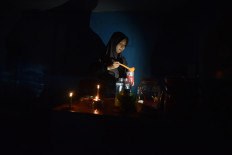
Widespread power disruptions have hit multiple regions across Indonesia in recent months, affecting parts of Sumatra, Java and Kalimantan and raising concerns over the reliability of the country's electricity grid.
Academia 2 months ago
PREMIUM
ASEAN-Russia Summit: A case for strategic autonomy
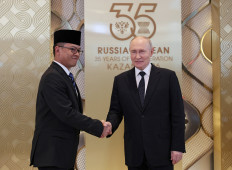
As global geopolitical architectures shift, the recent ASEAN-Russia Summit underscores how Southeast Asian nations are fiercely preserving their strategic autonomy to chart a self-determined path toward a multipolar world.
Asia & Pacific 2 months ago
PREMIUM
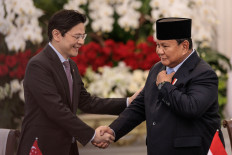
Energy, freedom of navigation in Malacca Strait top PM Wong’s visit to Jakarta
Energy cooperation and supply chain resilience took center stage on Monday during Singapore Prime Minister Lawrence Wong’s visit to President Prabowo Subianto, as the conflict in the Middle East continues to disrupt global trade and energy markets.
Editor's Picks
Popular
- Indonesia calls for more representative UN amid changing world order
- Safeguarding Indonesia's AI future
- Recentralization concerns in fiscal, education heighten
- Court decision tightens House oversight on free meals funding
- Twenty years on, BRICS faces a defining choice
- Jakarta water shortages worsen as dry season drags on
- Indian arrested for smuggling gold bars to Thailand via N. Sumatra airport
- Singapore’s BDx launches 640MW data center project in West Java
- Govt under pressure as 3 million home drive hits cracks
- Gontor leader’s blunt remarks highlight ‘pesantren’ political independence


