The Jakarta Post
Please Update your browser
Your browser is out of date, and may not be compatible with our website. A list of the most popular web browsers can be found below.
Just click on the icons to get to the download page.


Popular Reads
Top Results
No results found. Please check your search term and try again
Can't find what you're looking for?
View all search results
Popular Reads
Top Results
No results found. Please check your search term and try again
Can't find what you're looking for?
View all search resultsenergy
Opinion 2 months ago
PREMIUM
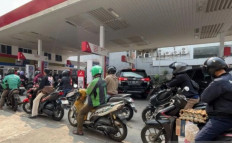
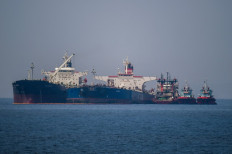
Analysis: Lemigas’ new import power risks overlap in energy procurement roles
The administration of President Prabowo Subianto has issued Presidential Regulation (Perpres) No. 26/2026, which expands the role of public service agencies (BLU) in energy imports, blurring the traditional boundaries between government agencies, state-owned enterprises (SOEs) and private sector players. While the new regulation appears intended to strengthen Indonesia’s energy security amid growing global uncertainties, it could create overlapping responsibilities, increase operational risks and expose the country to greater geopolitical pressures.
Academia 2 months ago
PREMIUM
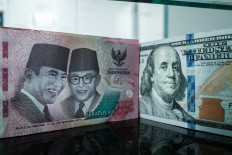
Is Indonesia safe if the rupiah reaches Rp 20,000?
Replacing officials to save a falling rupiah is empty political theater; Indonesia’s true economic safety depends on fixing deep-seated structural issues like oil deficits, agricultural productivity and policy execution.
Opinion 3 months ago
PREMIUM
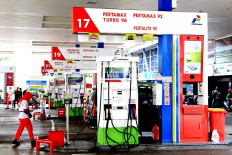
Analysis: B50: Energy security at what cost?
As geopolitical tensions expose Indonesia’s dependence on imported fuel, the government is accelerating its B50 biodiesel mandate to strengthen energy security. Yet the policy raises questions about feedstock availability, infrastructure readiness, fiscal costs and its potential impact on the palm oil industry, one of the country’s largest sources of export earnings.
Europe 3 months ago
PREMIUM
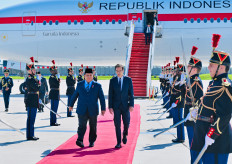
Prabowo seeks to elevate ties with France amid challenging geopolitical landscape
President Prabowo Subianto kicked off his state visit to France on Tuesday, seeking to elevate Indonesia-France relations as well as intensify cooperation in defense and renewable energy amid a volatile global landscape.
Asia & Pacific 3 months ago
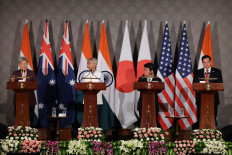
Quad countries to build a port, unveil pact on critical minerals
The foreign ministers of Australia, India, Japan and the US have agreed to jointly build a port in Fiji and signed pacts covering critical minerals and energy security, as they sought to inject fresh energy into their grouping known as the Quad.
Editor's Picks
Popular
- New data rules could unlock cross-border data flows
- Mass poisonings cast doubt on free meals reforms
- Malaysia must not breathe Indonesia’s governance failure
- Volcanic eruptions take toll on economy
- Search intensifies for journalists, crew as Anak Krakatau ashfall eases
- Mitigation budget under scrutiny as Indonesia grapples with disasters
- Indonesian wildfire emissions surge to world's highest
- Anak Krakatau doesn't need an earthquake to kill
- Student suffers memory loss, seizures after free meal food poisoning
- Search resumes for missing journalists on Anak Krakatau mission


