The Jakarta Post
Please Update your browser
Your browser is out of date, and may not be compatible with our website. A list of the most popular web browsers can be found below.
Just click on the icons to get to the download page.


Popular Reads
Top Results
No results found. Please check your search term and try again
Can't find what you're looking for?
View all search results
Popular Reads
Top Results
No results found. Please check your search term and try again
Can't find what you're looking for?
View all search resultsinternational-law

Academia 4 months ago
PREMIUM
Waiting for Godot: The case for ratification of ILO convention on work in fishing
For decades, Indonesia has led the world in defining the law of the sea and the rights of its workers. Now, as the 2026 ratification deadline for the ILO Convention 188 looms, the nation must decide if it will remain a global trendsetter or leave its millions of fishers waiting for a "Godot" that never arrives.

Academia 5 months ago
PREMIUM
Beyond oil: The forgotten seafarers of the Strait of Hormuz
While the world watches oil prices and insurance premiums in the Strait of Hormuz, 20,000 seafarers are trapped in a humanitarian crisis unfolding in plain sight. It is time to stop insuring the cargo and start protecting the people who move the world.
Editorial 5 months ago
PREMIUM
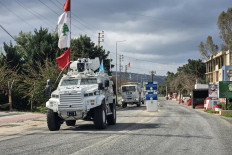
Peacekeepers under attack
The recent deaths of Indonesian Blue Helmets in Lebanon expose the lethal risks of the UNIFIL mission and demand a urgent reevaluation of Indonesia’s strategic role in a region increasingly shaped by Zionist aggression and shifting global alliances.

Academia 5 months ago
PREMIUM
The responsibility to protect and the war against Iran
The international community needs to step up its commitment to the Responsibility to Protect, which was deliberately designed to ensure protection for populations against mass atrocity crimes within the purview of international law.

Academia 5 months ago
PREMIUM
Is honesty the best policy for the international order?
While some Western leaders’ recent acknowledgement that the old order is outdated might seem refreshingly honest at first, they seem to be in a rush to bury it for good without proposing reforms for a better, more just alternative for all.



Academia 6 months ago
PREMIUM
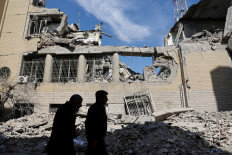
An unjust war against a repressive regime is an unjust war
Iran may be indefensible, but that does not make an illegal war against it justifiable. By remaining silent, Indonesia is not choosing neutrality; it is choosing to abandon its founding principles in the face of raw coercion.

Editor's Picks
Popular
- Much ado about asset forfeiture
- Mass poisonings cast doubt on free meals reforms
- Purbaya ousted after clash with Prabowo's ex-army colleague, sources say
- Indonesia, China eye cooperation to boost 3 million homes program
- Children are no longer the priority, were they ever?
- El Niño chokes Indonesia’s coal exports as rivers run shallow
- Suahasil seen to prioritize fiscal discipline, continuity
- Feeding, not poisoning
- Ferry accident revives Indonesia’s ‘Bermuda Triangle’ myth
- Sumatran elephants run out of room as fires spread


