The Jakarta Post
Please Update your browser
Your browser is out of date, and may not be compatible with our website. A list of the most popular web browsers can be found below.
Just click on the icons to get to the download page.


Popular Reads
Top Results
No results found. Please check your search term and try again
Can't find what you're looking for?
View all search results
Popular Reads
Top Results
No results found. Please check your search term and try again
Can't find what you're looking for?
View all search resultsknowledge



Academia 3 months ago
PREMIUM
Harnessing diaspora potential for sharia economy advancement
Indonesia is sitting on a trillion-dollar opportunity to turn its global diaspora into a powerhouse for the domestic sharia economy. By strategically leveraging knowledge, networks and Islamic financial instruments, the nation can transform this untapped potential into a definitive engine for long-term growth.
Academia 5 months ago
PREMIUM
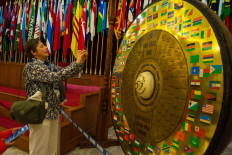
Beyond Bandung: The urgent task of decolonizing the mind
Seventy years after the historic Bandung Conference, the struggle for true independence has moved from the map to the mind. We must dismantle the "captive mind" and reconstruct a global knowledge system grounded in inherent human dignity.
Academia 5 months ago
PREMIUM
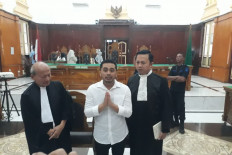
When law meets creativity: The crisis of valuing creative work
When auditors valued creative concept development and editing at "zero rupiah," they didn't just miscalculate a budget—they criminalized the very nature of artistic work. Amsal Sitepu’s acquittal must now spark a systemic overhaul of how the state values the intangible assets of the creative economy.

Asia & Pacific 10 months ago
PREMIUM
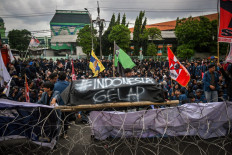
Millennia of knowledge transfer: India’s influence on Indonesia, the world
For over two thousand years, India and Indonesia have exchanged more than trade. From ancient temples and batik patterns to numeral systems, this enduring dialogue of cultures continues to shape the world’s intellectual and artistic heritage.

Academia 1 year ago
PREMIUM
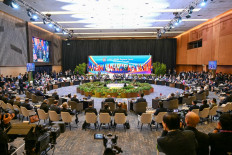
Safeguarding indigenous rights in the age of artificial intelligence
This year's global day for indigenous peoples should serve as an occasion for reflection on how to recognize, include and incorporate these communities as equal partners in deliberative decision-making in determining not just their future, but also the country's future, as we are propelled headlong in this era of technologically driven transformation.

Editor's Picks
Popular
- Popular discontent is justified. Authoritarianism is not the answer
- Recentralization concerns in fiscal, education heighten
- Sugarcane farmers query House over sugar imports
- Govt under pressure as 3 million home drive hits cracks
- Safeguarding Indonesia's AI future
- Power exports to Singapore hinge on regulatory clarity
- Thousands huddle in Bangkok shelters as Thai flood damages seen at $320m
- Prabowo turns to experts to tackle peatland fires after swipe at researchers
- Stocks plunge as IDX lowers minimum price cap
- Palestine test for UN ‘resilience’, says Indonesia


