The Jakarta Post
Please Update your browser
Your browser is out of date, and may not be compatible with our website. A list of the most popular web browsers can be found below.
Just click on the icons to get to the download page.


Popular Reads
Top Results
No results found. Please check your search term and try again
Can't find what you're looking for?
View all search results
Popular Reads
Top Results
No results found. Please check your search term and try again
Can't find what you're looking for?
View all search resultslegislation
Politics 1 day ago
PREMIUM
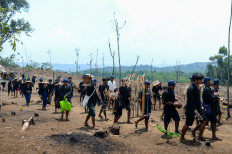
Indigenous peoples bill in limbo as House rushes agrarian reform
The long-awaited indigenous peoples bill might once again be left in limbo as the House of Representatives races to prioritize another bill on agrarian reform, raising concern among activists pushing for legislation on the recognition of the underserved and dispossessed.


Politics 5 days ago
PREMIUM
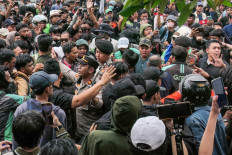
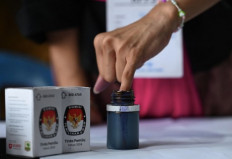
Party leaders begin talk on election law revision, weigh higher threshold
Political parties have begun discussing possible increases in the legislative threshold that election observers warn could further limit voter representation and narrow the space for alternative voices in the House of Representatives.
Society 2 weeks ago
PREMIUM
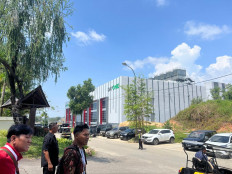
Civil groups seek better recognition for indigenous peoples in new bill
Civil society groups have presented their own draft bill on indigenous peoples to the House of Representatives, seeking legislation that would provide legal standing for the underserved and dispossessed.
Politics 2 weeks ago
PREMIUM
Calls mount for House transparency on asset forfeiture bill
Calls are mounting for lawmakers to release their latest draft bill on asset forfeiture to the public, with antigraft activists warning that closed-door deliberations could leave the proposed legislation vulnerable to abuse.

Editor's Picks
Popular
- Indonesia calls for more representative UN amid changing world order
- Safeguarding Indonesia's AI future
- Recentralization concerns in fiscal, education heighten
- Twenty years on, BRICS faces a defining choice
- Jakarta water shortages worsen as dry season drags on
- Court decision tightens House oversight on free meals funding
- Indian arrested for smuggling gold bars to Thailand via N. Sumatra airport
- Singapore’s BDx launches 640MW data center project in West Java
- Govt under pressure as 3 million home drive hits cracks
- Gontor leader’s blunt remarks highlight ‘pesantren’ political independence


