The Jakarta Post
Please Update your browser
Your browser is out of date, and may not be compatible with our website. A list of the most popular web browsers can be found below.
Just click on the icons to get to the download page.


Popular Reads
Top Results
No results found. Please check your search term and try again
Can't find what you're looking for?
View all search results
Popular Reads
Top Results
No results found. Please check your search term and try again
Can't find what you're looking for?
View all search resultsnarendra-modi
Academia 1 year ago
PREMIUM
Trump's tariffs and India's economic future
In the long term, Trump’s tariffs are likely to propel India to rethink its strategic priorities toward a decision on whether to pursue economic openness or retreat into protectionist autarky as it redefines its place in the world.
Asia & Pacific 1 year ago
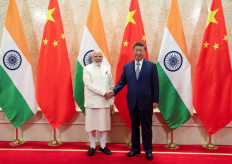
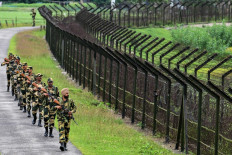
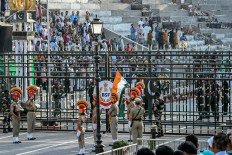
'Powerful optics': China's Xi to welcome Putin, Modi in grand show of solidarity
Aside from Russian President Vladimir Putin, leaders from Central Asia, the Middle East, South Asia and Southeast Asia have been invited to the Shanghai Cooperation Organization (SCO) summit, to be held in the northern port city of Tianjin from August 31 to September 1.
Regulations 1 year ago
Modi vows no compromise on farmers interests amid Trump's tariff salvo
"For us, our farmers' welfare is supreme," Modi said at an event in New Delhi. "India will never compromise on the wellbeing of its farmers, dairy (sector) and fishermen. And I know personally I will have to pay a heavy price for it," he said.

Americas 1 year ago
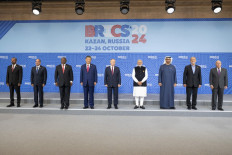
Leaders of growing BRICS group gather for Rio summit
With forums such as the G7 and G20 groups of major economies hamstrung by divisions and the disruptive "America First" approach of US President Donald Trump, expansion of the BRICS has opened new space for diplomatic coordination.
Asia & Pacific 1 year ago
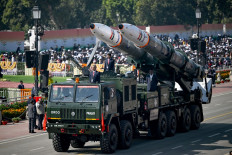
Defense ministry says no decision yet on buying India's Brahmos missiles
Multiple missile systems are being considered by Indonesia, not just those from BrahMos, spokesperson Frega Wenas said after Indonesia's defence minister met with his counterpart from Vietnam, although he declined to name the other companies.
Academia 1 year ago
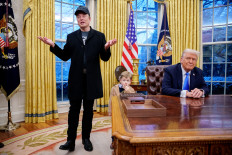
Weaponizing data against democracy
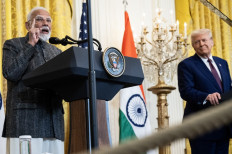
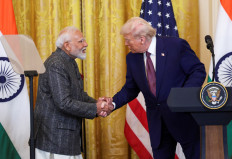
Modi's visit to Washington has revealed the similarities between him and his US counterpart, while his decade-long model of prioritizing propaganda over governance hints at the kind of tactics to expect from a second Trump term, and the blinders his administration might voluntarily wear to avoid seeing the socioeconomic realities.
Editor's Picks
Popular
- Popular discontent is justified. Authoritarianism is not the answer
- Recentralization concerns in fiscal, education heighten
- Govt under pressure as 3 million home drive hits cracks
- Safeguarding Indonesia's AI future
- Indonesian wildfires threaten critically-endangered orangutan: IUCN
- Power exports to Singapore hinge on regulatory clarity
- Trump rejects Iran proposal for deal to reopen Hormuz
- Indonesia signs UN treaty to combat, prevent cybercrime
- Death toll from Java Sea ferry sinking jumps to 64
- Batam residents protest data centers amid water crisis


