The Jakarta Post
Please Update your browser
Your browser is out of date, and may not be compatible with our website. A list of the most popular web browsers can be found below.
Just click on the icons to get to the download page.


Popular Reads
Top Results
No results found. Please check your search term and try again
Can't find what you're looking for?
View all search results
Popular Reads
Top Results
No results found. Please check your search term and try again
Can't find what you're looking for?
View all search resultsoil-price

Markets 3 months ago
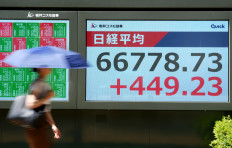
Oil eyes weekly drop on Hormuz deal hopes; AI sends stocks to record highs
World stocks stood at record highs on Friday and oil futures eyed the steepest weekly drop for nearly two months as traders waited for details on a potential deal to reopen the Strait of Hormuz and extend the US-Iran ceasefire.




Markets 3 months ago
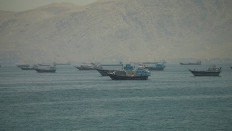
Stocks rise sharply, oil and dollar slip on Middle East peace hopes
Stocks surged on Monday while the US dollar and oil prices slid as the prospect of a deal to end the Iran war buoyed risk appetite although a lack of clarity over when the Strait of Hormuz would open kept enthusiasm in check.
Academia 4 months ago
PREMIUM
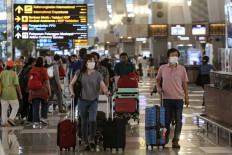
Balancing passengers' rights and airlines' survival in ASEAN
To save Southeast Asia's aviation sector from collapse due to geopolitical and economic crises, regulators must scrap outdated price controls and shift from penalizing airlines to sharing the responsibility of passenger care.
Editor's Picks
Popular
- Indonesia calls for more representative UN amid changing world order
- Safeguarding Indonesia's AI future
- Recentralization concerns in fiscal, education heighten
- Twenty years on, BRICS faces a defining choice
- Jakarta water shortages worsen as dry season drags on
- Indian arrested for smuggling gold bars to Thailand via N. Sumatra airport
- Court decision tightens House oversight on free meals funding
- Singapore’s BDx launches 640MW data center project in West Java
- Govt under pressure as 3 million home drive hits cracks
- Gontor leader’s blunt remarks highlight ‘pesantren’ political independence


